One Nation Under Ranch—Why America’s Favorite Condiment Keeps Climbing
•March 3, 2026
0
Why It Matters
Ranch’s sustained growth reshapes the condiment market, driving higher profit margins and influencing product development across foodservice and retail. Its rise also signals a broader shift in American food identity toward homegrown, adaptable flavors.
Key Takeaways
- •Ranch topping Google Trends since 2011, never declined
- •Pandemic lifted condiment sales, floor stayed elevated
- •Hidden Valley dominates, adds seven new flavors annually
- •Ranch now outsells ketchup in dollar value
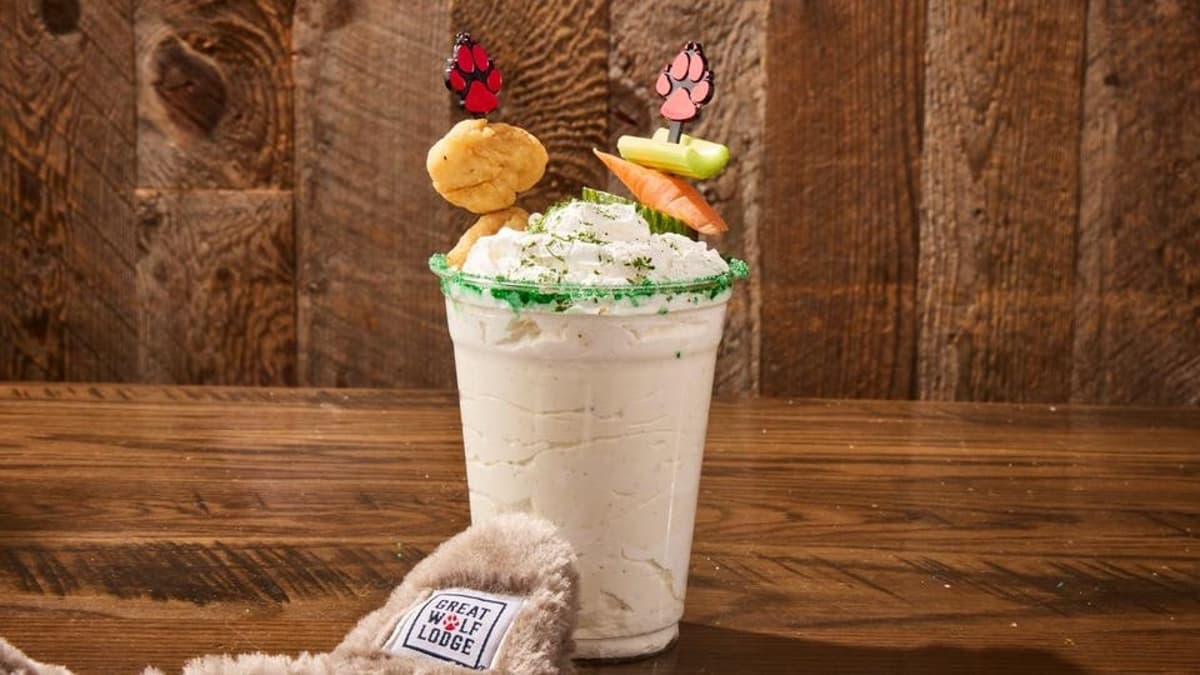
- •Ranch featured on 22 resort menus, $3.10 milkshake
Pulse Analysis
Ranch dressing’s ascent mirrors a rapid compression of the traditional food‑trend adoption cycle. While most flavors take a dozen years to move from niche to ubiquity, ranch surged in just six, propelled by a 2011 inflection point on Google Trends and a pandemic‑induced home‑cooking boom. The result is a permanently higher baseline of consumer interest, reflected in steady search volumes that now hover in the high 60s to 80s, far above the pre‑2011 flat line.
The market response has been equally aggressive. Clorox’s Hidden Valley brand, already the market leader, has rolled out seven new ranch variants and forged partnerships with major chains such as Taco Bell and Burger King. These extensions—ranch‑chipotle, squeeze‑bottles, and even a ranch‑dressed milkshake—have turned a simple salad topping into a cross‑category revenue engine. Condiment sales jumped 21.3% in 2020 and barely slipped in the following year, indicating that the pandemic didn’t create a fleeting spike but raised the floor for the entire category.
Beyond dollars, ranch is becoming a cultural marker of American taste. Sociologists label this "gastronationalism," where a flavor embodies national identity; ranch is the de‑facto "American flavor," even abroad. Gen Z consumers, while occasionally labeling it overrated, still demand more ranch‑centric menu options, reinforcing its staying power. As the United States celebrates 250 years, ranch’s dominance illustrates how a young, diasporic food culture can rapidly construct and export its own culinary symbols, shaping both domestic menus and global perceptions of American cuisine.
One Nation Under Ranch—Why America’s Favorite Condiment Keeps Climbing
0
Comments
Want to join the conversation?
Loading comments...