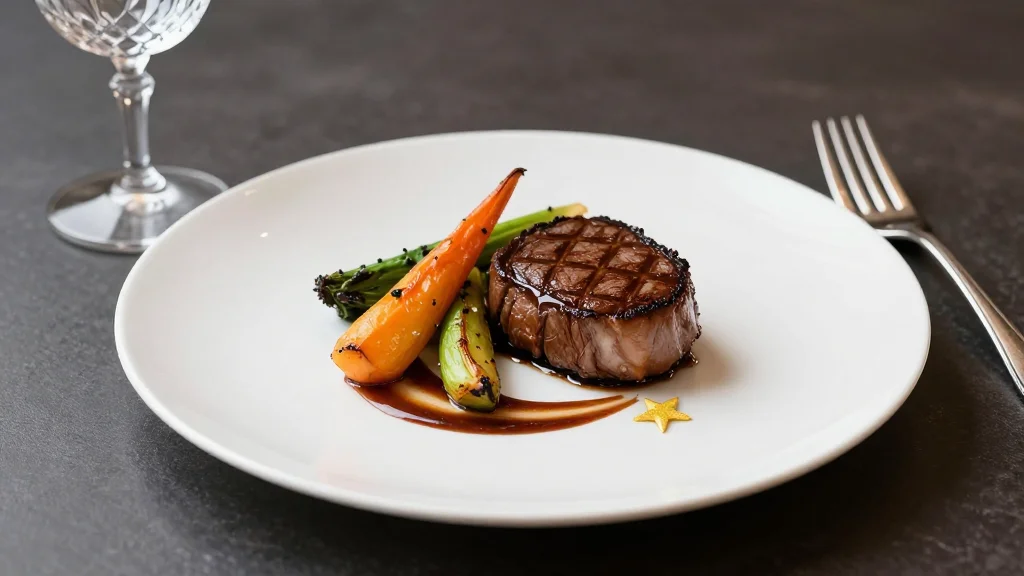
Orlando Tops Florida with Over 60 Restaurants Honored in 2026 Michelin Guide

Why It Matters
The unprecedented number of Michelin recognitions positions Orlando as a competitive culinary destination, challenging traditional food capitals like New York and San Francisco. This shift can diversify the city’s economy, reducing reliance on theme‑park revenue and creating high‑skill jobs in hospitality, agriculture, and food technology. Moreover, the emphasis on sustainability through the Green Star award aligns Orlando with global trends toward responsible dining, potentially attracting a new segment of eco‑aware travelers and investors. For the broader Florida food ecosystem, Orlando’s success may spur neighboring markets—Tampa, Miami, and Jacksonville—to intensify their own culinary ambitions, fostering a statewide renaissance that could elevate the entire region’s reputation on the international stage.
Key Takeaways
- •Over 60 Orlando restaurants received Michelin recognition for 2026, a record for the city.
- •Sorekara retained its two‑star rating, one of only two two‑star restaurants in Florida.
- •Kaya earned the Michelin Green Star for sustainable gastronomy.
- •Fourteen establishments were awarded Bib Gourmand honors for high‑quality, affordable food.
- •Visit Orlando’s CEO highlighted the awards as evidence of the city’s growing culinary depth and tourism appeal.
Pulse Analysis
Orlando’s Michelin surge reflects a broader rebalancing of American food power. Historically, coastal metropolises dominated fine‑dining accolades, but the Suncoast’s rapid urbanization, a growing pool of culinary talent, and strategic tourism marketing have converged to create a new hotspot. The city’s ability to sustain two‑star quality at Sorekara suggests that local chefs are mastering the exacting standards that once seemed reserved for legacy culinary capitals.
The economic implications are equally significant. Michelin stars act as a catalyst for higher average spend per diner, which can lift ancillary sectors such as boutique hotels, specialty food retailers, and local farms. The Green Star awarded to Kaya underscores a market pivot toward sustainability—a factor increasingly tied to consumer choice and brand equity. Restaurants that adopt these practices may benefit from lower supply chain costs and stronger community support, creating a virtuous cycle of investment and innovation.
Looking forward, Orlando’s challenge will be to translate this momentary acclaim into lasting infrastructure. This includes nurturing culinary education pipelines, preserving affordable real‑estate for emerging chefs, and leveraging the Michelin brand in targeted marketing campaigns. If the city can embed these strategies, it may not only retain its 2026 momentum but also set a template for other mid‑size American cities aspiring to culinary prominence.
Orlando Tops Florida with Over 60 Restaurants Honored in 2026 Michelin Guide
Comments
Want to join the conversation?
Loading comments...