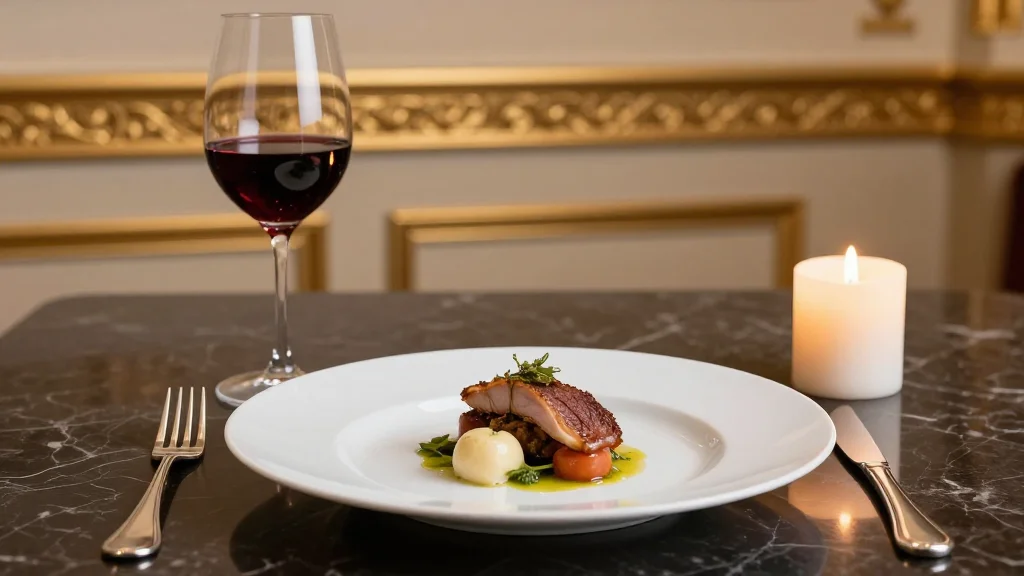
Paulo Airaudo Launches Two‑Michelin‑Star Amelia at San Sebastián’s Hotel María Cristina

Why It Matters
Amelia’s opening underscores San Sebastián’s continued investment in high‑end gastronomy as a pillar of its tourism economy. By pairing a two‑Michelin‑starred venue with a historic luxury hotel, the city reinforces its brand as a destination where heritage and innovation intersect. The restaurant also showcases the growing trend of chefs translating personal culinary philosophies—here, Italian omakase—into destination experiences that attract global diners and media attention. The collaboration with the EKINN+ program signals a strategic push to nurture culinary talent and ensure the city’s gastronomic relevance for future generations. As other European culinary capitals vie for Michelin accolades, San Sebastián’s ability to attract chefs of Airaudo’s stature may influence where investors and tourists allocate their discretionary spending.
Key Takeaways
- •Paulo Airaudo opens Amelia, a two‑Michelin‑starred restaurant, at Hotel María Cristina.
- •The venue features an open‑kitchen design by architect Javier Orduña, seating 14 guests.
- •Amelia’s concept is an Italian omakase menu emphasizing seafood and seasonal ingredients.
- •The restaurant is part of the EKINN+ Gastro acceleration program to boost San Sebastián’s culinary profile.
- •The opening enhances the Luxury Collection hotel’s appeal and supports the city’s high‑end tourism strategy.
Pulse Analysis
Amelia’s debut arrives at a moment when luxury hospitality brands are increasingly leveraging signature restaurants to differentiate their offerings. Marriott’s Luxury Collection has historically relied on historic properties to attract affluent travelers; adding a two‑Michelin‑starred venue elevates the hotel’s competitive edge against boutique resorts that already embed renowned chefs into their brand narrative. Airaudo’s reputation—spanning Barcelona, Hong Kong, Florence, and Bangkok—brings an international cachet that can translate into higher average daily rates and longer average stays for guests who book the hotel primarily for the dining experience.
From a broader market perspective, the move reflects a shift toward experiential luxury, where diners seek narrative‑driven meals that fuse personal chef stories with locale‑specific ingredients. Airaudo’s Italian omakase approach, while unconventional, aligns with the growing appetite for chef‑curated journeys that break traditional menu structures. If Amelia succeeds in maintaining its Michelin rating and generating buzz, it could inspire other chefs to explore hybrid concepts that blend cultural cuisines with the omakase format, potentially reshaping fine‑dining trends across Europe.
Finally, the partnership with the EKINN+ program signals a public‑private model that other cities may emulate. By integrating talent acceleration initiatives with high‑profile openings, municipalities can create a pipeline of culinary innovation that sustains their gastronomic reputation. San Sebastián’s ability to attract a chef of Airaudo’s stature while supporting local supply chains may serve as a blueprint for other regions aiming to revitalize their food tourism sectors in the post‑COVID era.
Paulo Airaudo Launches Two‑Michelin‑Star Amelia at San Sebastián’s Hotel María Cristina
Comments
Want to join the conversation?
Loading comments...