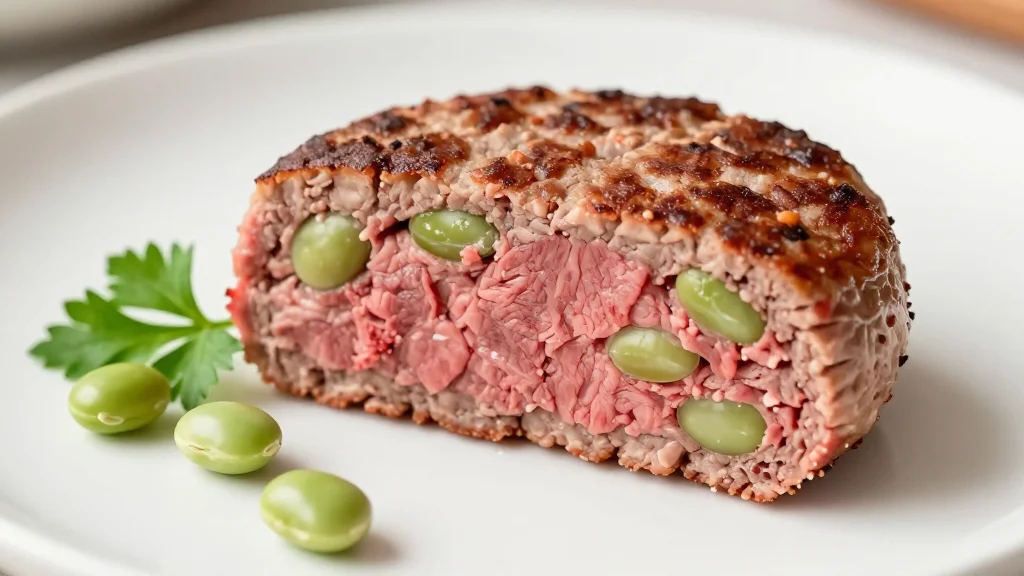
Plant ‘N’ Beef: Germany’s Rewe Group Re-Enters Blended Meat Space with New Burger
Why It Matters
The affordable hybrid offers a pragmatic path for German shoppers to cut meat consumption without sacrificing flavor, supporting Rewe’s sustainability targets and the broader flexitarian shift in Europe’s biggest grocery market.
Key Takeaways
- •Rewe’s Plant ‘n’ Beef blends 70% beef, 30% fava bean.
- •Hybrid burger sells for €2.99 (~$3.30), half the price of pure beef.
- •Contains 30% less fat but 17% less protein than all‑beef patty.
- •Rewe targets 60% plant‑based sales by 2035, 54% achieved in 2024.
Pulse Analysis
Rewe’s entry into the hybrid‑meat segment reflects a maturing market where cost, health and sustainability converge. By combining traditional minced beef with textured fava‑bean flour, the Plant ‘n’ Beef burger delivers a familiar mouthfeel while trimming fat content and offering a price point that undercuts conventional beef patties. This pricing strategy—€2.99 for a two‑pack, roughly $3.30—makes the product attractive to budget‑conscious shoppers and positions it as a gateway for consumers hesitant to adopt fully plant‑based alternatives. The blend also taps into Germany’s plateauing meat consumption, where per‑capita intake hovered around 53 kg in 2024, a 13% decline from a decade ago.
Across Europe, blended proteins are gaining traction as retailers seek flexible solutions to meet rising flexitarian demand. Competitors such as Lidl, Aldi, and Belgium’s Albert Heijn already stock hybrid burgers, meatballs and mince, while startups like Nosh.bio and Smaqo experiment with fermented and mycoprotein blends. German consumers, half of whom express a desire to reduce meat, are driven by cost (25% of respondents), health concerns (24%) and evolving taste preferences (19%). Hybrid products satisfy these drivers by offering familiar textures at lower prices and with modest nutritional improvements, thereby accelerating the shift toward plant‑forward diets without a radical dietary overhaul.
Strategically, the launch dovetails with Rewe’s broader plant‑protein roadmap, which aims for 60% of sales from plant‑based items by 2035. The company’s recent rebranding of private‑label vegan lines under the ‘Pflanzlich’ banner reinforces its commitment to flexitarian shoppers and strengthens shelf‑side visibility. By integrating a hybrid offering, Rewe can reduce its reliance on pure animal protein, lower its carbon footprint, and meet regulatory expectations for sustainable sourcing. As the blended‑meat sector scales, supply chains will likely see increased demand for legume‑derived proteins, prompting investment in domestic protein production and potentially reshaping the European meat market’s economics.
Plant ‘n’ Beef: Germany’s Rewe Group Re-Enters Blended Meat Space with New Burger
Comments
Want to join the conversation?
Loading comments...