Prime Rib Experts Swear By This Reheating Method For The Best Bite Of Your Life
Why It Matters
Proper reheating lets restaurants and home cooks salvage premium cuts, reducing waste and preserving profit margins. It also meets consumer demand for restaurant‑quality leftovers at home.
Key Takeaways
- •Wood‑pellet grill reheats prime rib at 225 °F
- •Slow heating preserves medium‑rare interior
- •Use probe thermometer to monitor internal temperature
- •Rest 5‑10 minutes before slicing
- •Oven at 250 °F works if no pellet grill
Pulse Analysis
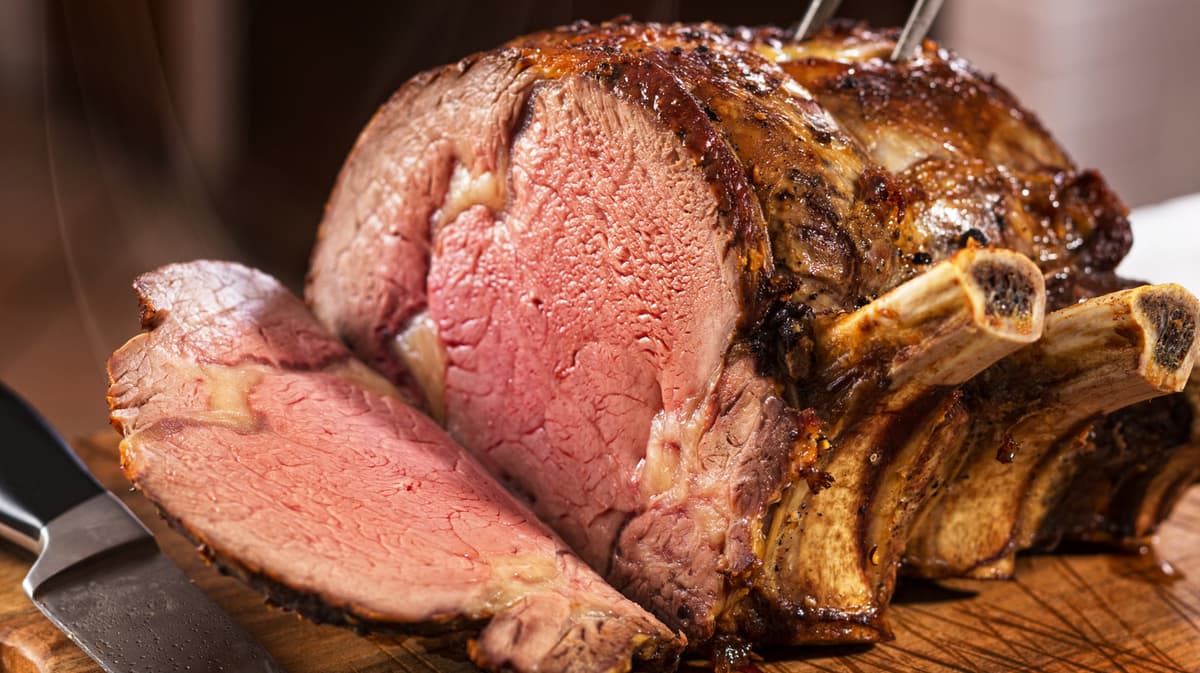
Reheating prime rib has long been a culinary headache because the delicate balance of a crisp crust and pink interior can quickly tip into dry, overcooked meat. The core issue is temperature control; a rapid rise in heat forces the protein fibers to contract, squeezing out juices and flattening the flavor profile. By employing a wood‑pellet grill set to a modest 225 °F, chefs can mimic the low‑and‑slow environment of the original roast, allowing the meat to warm evenly while retaining its natural juices.
Wood‑pellet grills act as hybrid smokers and ovens, burning compressed wood pellets that generate consistent, controllable heat and a subtle smoke infusion. This technology enables precise temperature management, which is essential for bringing the internal temperature of a prime rib to the sweet spot of 120‑135 °F without crossing into medium‑well territory. A probe thermometer provides real‑time feedback, ensuring the roast is merely warmed, not cooked further. For kitchens lacking a pellet grill, a 250 °F oven on a wire rack offers a viable alternative, while a microwave can rescue slices when time is critical, provided the meat stays moist with broth or drippings.
The broader impact reaches beyond individual meals. Restaurants can extend the life of high‑margin cuts, reducing food waste and improving sustainability metrics. Home chefs, increasingly equipped with premium appliances, appreciate techniques that deliver restaurant‑grade results without sacrificing convenience. As consumer interest in upscale leftovers grows, manufacturers of pellet grills and smart thermometers are likely to see heightened demand, reinforcing the link between culinary science and profitable, waste‑aware cooking practices.
Prime Rib Experts Swear By This Reheating Method For The Best Bite Of Your Life
Comments
Want to join the conversation?
Loading comments...