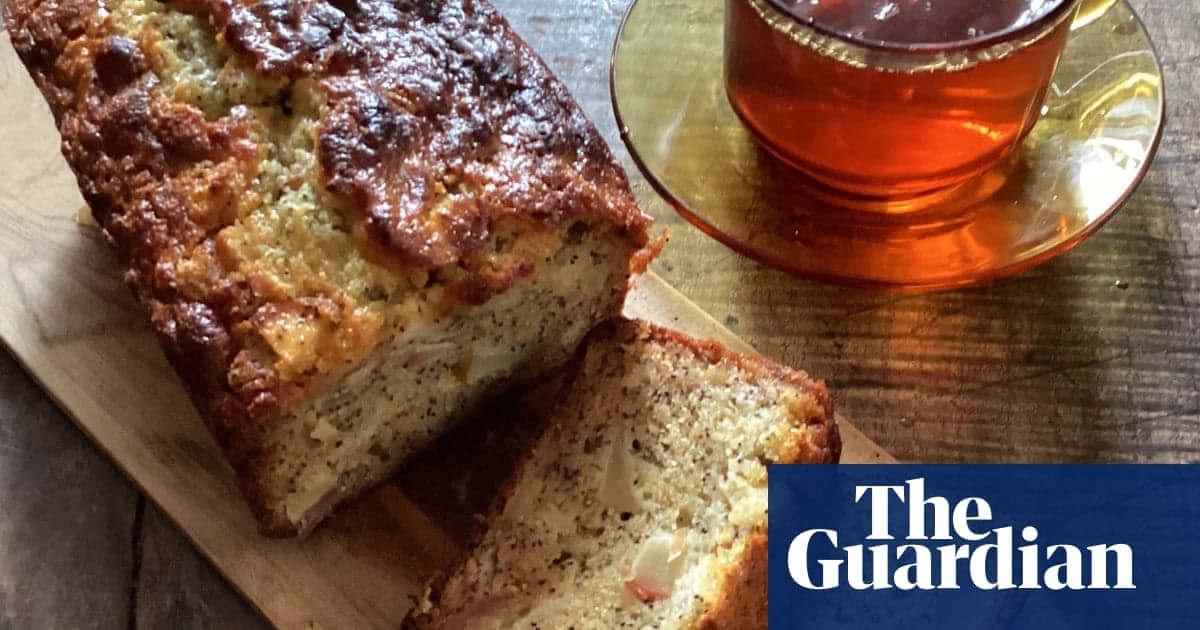
Rachel Roddy’s Recipe for Apple, Honey and Poppy Seed Cake | A Kitchen in Rome
•March 5, 2026
0
Why It Matters
The recipe highlights honey’s functional benefits, feeding the growing demand for natural sweeteners in home baking and boosting specialty honey sales. It also taps into post‑pandemic consumer interest in simple, heritage‑inspired desserts.
Key Takeaways
- •Honey acts as natural humectant, keeping cake moist
- •Chestnut and pine honey enhance caramelized flavor
- •Unpeeled russet apples add texture and color
- •One‑bowl method simplifies home baking
- •Spaghetti test ensures perfect doneness
Pulse Analysis
Honey isn’t just a sweetener; it’s a powerful humectant that traps moisture and promotes a deep, nutty crust through the Maillard reaction. By choosing varieties like chestnut or Greek pine honey, bakers introduce complex, malty notes that ordinary sugar can’t replicate. The recipe also leverages the natural sweetness of fructose, allowing less overall sweetener while still delivering a rich flavor profile. This scientific edge makes the cake both indulgent and technically sound, appealing to food enthusiasts who appreciate the chemistry behind their desserts.
The home‑baking market has surged since the pandemic, with consumers seeking approachable, one‑bowl creations that feel both authentic and effortless. Roddy’s cake fits that niche perfectly, marrying a classic Italian‑Polish flavor combo with modern convenience. Using unpeeled russet apples adds visual appeal and a subtle texture, while poppy seeds contribute a gentle bitterness that balances honey’s sweetness. Such heritage‑driven recipes resonate on social media, driving engagement and encouraging DIY cooking trends that fuel ingredient sales.
From a business perspective, the spotlight on specialty honeys aligns with a broader shift toward natural, functional ingredients. Global honey consumption is projected to rise as consumers favor clean‑label sweeteners over refined sugar. Brands that promote chestnut, pine or other region‑specific honeys can differentiate themselves in a crowded market, leveraging recipes like Roddy’s as marketing assets. Additionally, the emphasis on simple, ingredient‑focused baking supports the growth of premium flour, butter, and apple varieties, creating cross‑category opportunities for retailers and food manufacturers alike.
Rachel Roddy’s recipe for apple, honey and poppy seed cake | A kitchen in Rome
0
Comments
Want to join the conversation?
Loading comments...