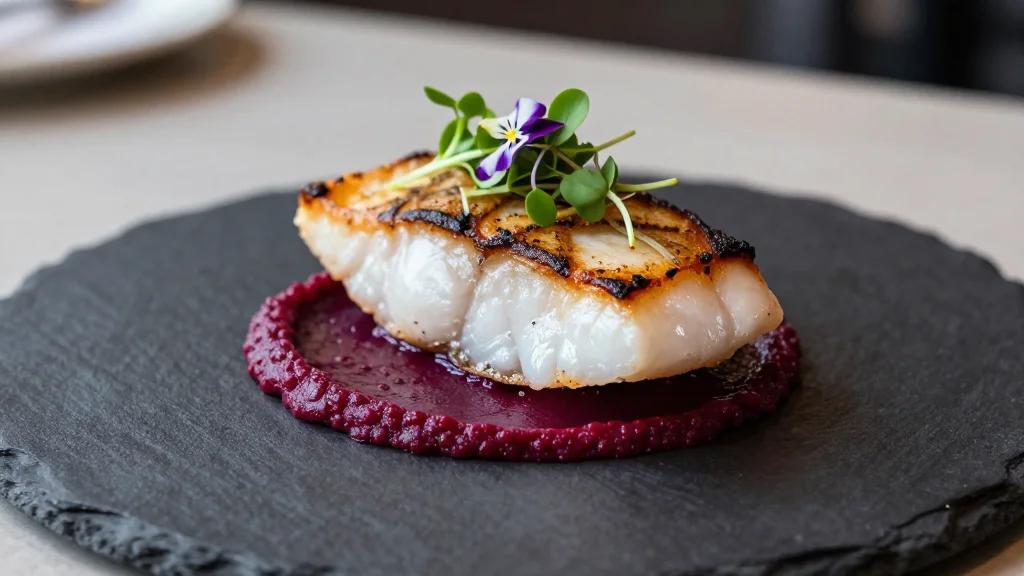
Rebel Chef Max Strohe Redefines Kreuzberg Fine Dining at Tulus Lotrek

Companies Mentioned
Why It Matters
Tulus Lotrek demonstrates that Michelin recognition no longer requires rigid formality, opening the door for chefs who prioritize personality and social impact alongside culinary excellence. By marrying a rebel ethos with precise technique, Strohe and Scholl challenge the industry’s long‑standing hierarchy, encouraging other establishments to rethink service models, menu storytelling, and community engagement. The restaurant also highlights the growing importance of chefs as civic actors. Strohe’s Federal Cross of Merit underscores how culinary leadership can intersect with social advocacy, setting a precedent for future chefs to leverage their platforms for broader societal benefit. This convergence of gastronomy, culture, and activism could reshape consumer expectations and investor interest in the food sector.
Key Takeaways
- •Max Strohe and Ilona Scholl opened Tulus Lotrek, a Michelin‑starred casual fine‑dining venue in Berlin’s Kreuzberg
- •The restaurant blends rebel kitchen energy with precise technique, rejecting traditional fine‑dining formality
- •Strohe received the Federal Cross of Merit for refugee support during the pandemic
- •Gault&Millau and Michelin have both recognized the venue, signaling a shift in Berlin’s culinary hierarchy
- •Future plans include sustainable farm collaborations and city‑wide pop‑up events to expand the concept
Pulse Analysis
Tulus Lotrek arrives at a moment when diners are demanding authenticity over ceremony. The restaurant’s success validates a broader trend: high‑end chefs are shedding the white‑glove veneer to create spaces that feel lived‑in, inclusive, and socially aware. This mirrors movements in other markets, such as New York’s "casual fine dining" wave led by chefs who prioritize narrative and community over immaculate décor.
Historically, Michelin stars have been associated with rigid service protocols and a clear separation between kitchen and dining room. Strohe’s approach flips that script, using the star as a quality seal rather than a cultural contract. By doing so, he taps into a younger, affluent demographic that values experience, story, and ethical sourcing as much as flavor. Competitors will need to decide whether to double down on traditional luxury or adopt a hybrid model that can attract both connoisseurs and the broader public.
Looking ahead, the sustainability of the rebel‑fine‑dining model will hinge on operational consistency. Maintaining Michelin‑level precision in a chaotic, joke‑filled environment is a delicate balance. If Strohe and Scholl can prove that the model scales—through pop‑ups, collaborations, or even a second location—they could catalyze a new sub‑genre of fine dining that reshapes European culinary economics for the next decade.
Rebel Chef Max Strohe Redefines Kreuzberg Fine Dining at Tulus Lotrek
Comments
Want to join the conversation?
Loading comments...