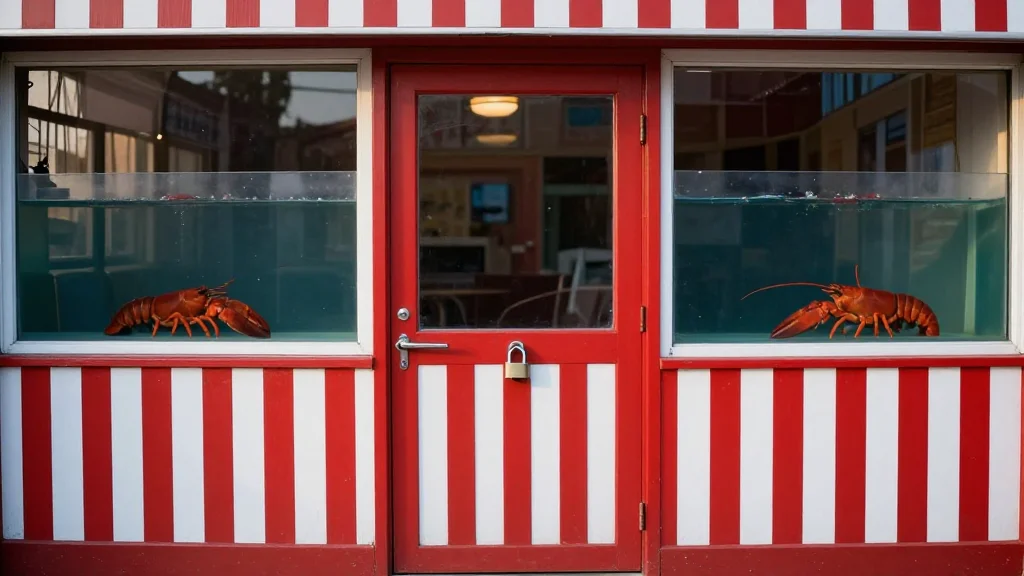
Red Lobster Closes Tallahassee Location, Its Longest‑Running Restaurant After 56 Years

Why It Matters
The shutdown of Red Lobster’s longest‑running restaurant highlights the accelerating consolidation within the casual dining sector, where legacy brands are forced to reassess real‑estate strategies amid changing consumer habits. For the seafood supply chain, fewer outlets could translate into reduced demand for wholesale lobster and other marine products, potentially reshaping purchasing patterns for distributors. Moreover, the closure serves as a cultural touchpoint for communities that have built traditions around long‑standing eateries. The disappearance of such institutions can affect local identity and economic activity, prompting municipalities to consider how to repurpose prime retail spaces to sustain neighborhood vitality.
Key Takeaways
- •Red Lobster closes its Tallahassee, Florida location, opened in 1970
- •The restaurant was the chain’s longest continuously operating outlet, lasting 56 years
- •Closure announced by the troubled seafood chain amid broader operational challenges
- •Undercurrent News reported the shutdown on May 19, 2026
- •The site’s future use remains undisclosed, signaling potential repurposing
Pulse Analysis
Red Lobster’s decision to shutter its most historic outlet reflects a strategic pivot that many legacy casual‑dining brands are undertaking. Over the past decade, the sector has seen a steady erosion of foot traffic as consumers gravitate toward fast‑casual concepts, delivery‑first platforms, and experiential dining. For a chain built on a menu anchored by lobster and other seafood staples, price volatility in the marine protein market adds another layer of complexity. By eliminating a location that, despite its heritage, may no longer meet profitability thresholds, Red Lobster can reallocate capital toward digital ordering infrastructure and menu diversification—areas that have proven critical for survival in the post‑pandemic era.
Historically, flagship restaurants have served as brand ambassadors, reinforcing corporate identity and offering a tangible link to a chain’s origins. The Tallahassee closure, however, underscores that nostalgia alone cannot offset operational inefficiencies. As Red Lobster trims its footprint, franchisees will likely push for more flexible lease terms and performance‑based support, while corporate leadership may explore partnerships with seafood suppliers to lock in pricing and ensure menu consistency.
Looking ahead, the vacancy left by the Tallahassee site presents an opportunity for local entrepreneurs to introduce concepts that better align with contemporary dining preferences—whether that means a farm‑to‑table seafood bar, a hybrid ghost‑kitchen, or a community‑focused eatery. The broader takeaway for the food industry is clear: heritage can be a valuable marketing asset, but it must be coupled with agile business models that respond to evolving consumer expectations and supply‑chain realities.
Red Lobster Closes Tallahassee Location, Its Longest‑Running Restaurant After 56 Years
Comments
Want to join the conversation?
Loading comments...