Ribeye Vs T-Bone Steak: Which Cut Offers More Bang For Your Buck?
Companies Mentioned
Why It Matters
Understanding the true cost per edible ounce helps consumers make smarter grocery choices and influences demand for boneless versus bone‑in premium cuts. Retailers and producers can adjust pricing strategies based on perceived value and eating experience.
Key Takeaways
- •T‑bone $13.97/lb, ribeye $14.87/lb at Walmart
- •~25% of T‑bone weight is inedible bone
- •Ribeye yields more edible meat per dollar
- •Ribeye’s marbling creates richer, juicier flavor
- •T‑bone offers tenderloin and strip steak textures
Pulse Analysis
When shoppers weigh the economics of premium beef, the headline price per pound can be deceptive. A T‑bone’s lower sticker price masks the fact that its central vertebra accounts for roughly a quarter of the total weight, turning a portion of the purchase into dead weight. By contrast, ribeye steaks are usually sold boneless, meaning the entire cost translates directly into consumable meat. This simple arithmetic shifts the value proposition in favor of ribeye for anyone focused on maximizing edible ounces per dollar, especially in the home‑cooking segment where portion control matters.
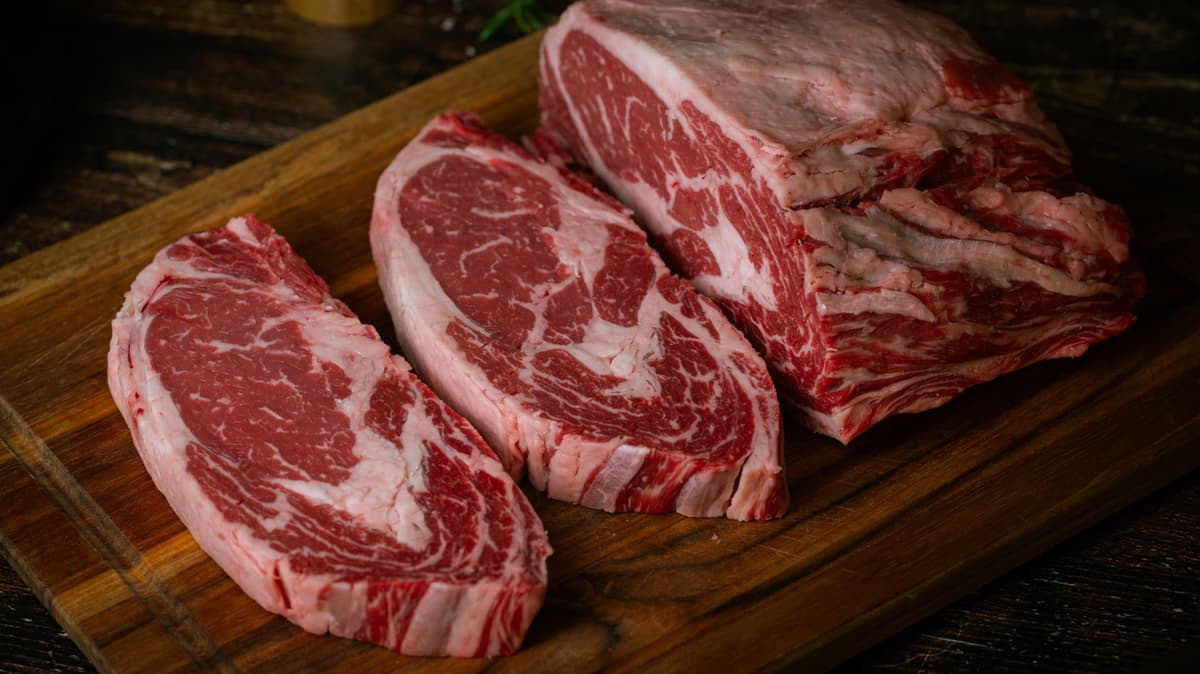
Beyond raw economics, the culinary experience diverges sharply between the two cuts. Ribeye’s location on the rib primal means the muscle does minimal work, resulting in abundant intramuscular fat—marbling—that melts during cooking, delivering a buttery mouthfeel and deep beefy flavor. The uniform texture makes it a reliable choice for grill‑masters seeking consistent results. Meanwhile, a T‑bone packs two distinct steaks: a lean, buttery tenderloin on one side and a robust strip steak on the other. The bone itself acts as a heat shield, helping retain moisture, but the trade‑off is a heavier, bulkier cut that requires more careful portion planning.
For the broader market, these distinctions influence both consumer behavior and supply chain dynamics. As steakhouse menus increasingly highlight bone‑in options for their visual appeal, grocery chains are responding with more boneless ribeye offerings that cater to value‑conscious diners. Producers can leverage this data to fine‑tune cut allocations, while marketers can educate shoppers on edible yield versus price per pound. Ultimately, the decision hinges on whether the diner prioritizes pure flavor efficiency or the novelty of enjoying two steak profiles in one plate, a choice that shapes purchasing patterns across the premium beef category.
Ribeye Vs T-Bone Steak: Which Cut Offers More Bang For Your Buck?
Comments
Want to join the conversation?
Loading comments...