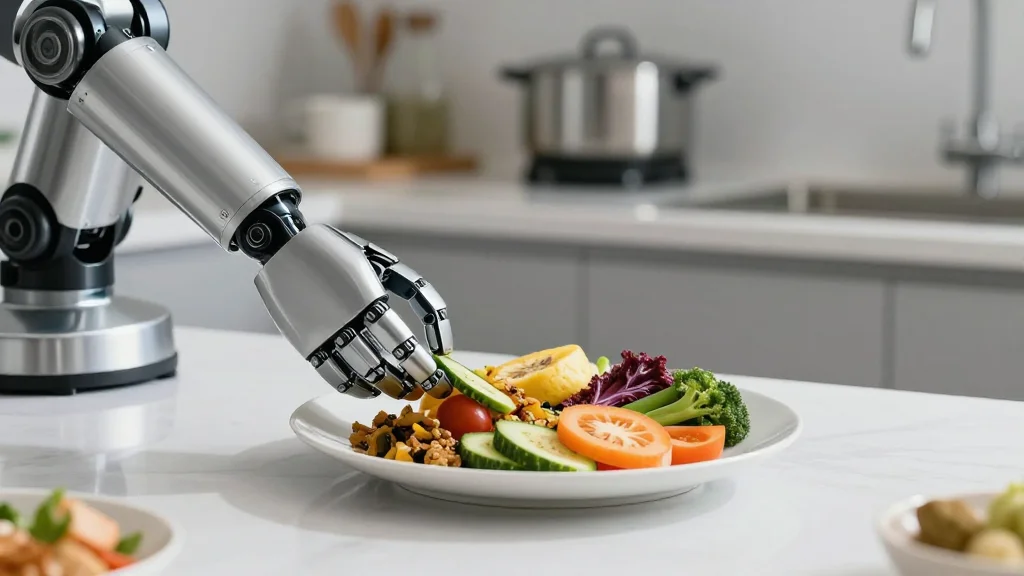
Robotic Kitchens Boost Meals for San Francisco Tenderloin Nonprofit

Companies Mentioned

Why It Matters
The deployment of robotic plating systems in a nonprofit kitchen signals a shift in how food‑insecure populations can be served at scale. By reducing dependence on fluctuating volunteer labor, organizations like Project Open Hand can deliver consistent, medically appropriate meals, potentially improving health outcomes for vulnerable patients. The partnership also demonstrates that advanced food‑tech, previously confined to commercial brands, can be adapted for social impact, opening a new revenue stream for robotics firms and prompting other charities to explore similar innovations. Beyond immediate operational gains, the initiative challenges the narrative that automation inevitably displaces jobs. In this case, robots fill gaps left by a shrinking volunteer pool, allowing human staff to focus on higher‑value tasks such as nutrition counseling and client outreach. If the model proves cost‑effective, it could catalyze broader adoption of subscription‑based food‑tech solutions across the nonprofit sector, reshaping how communities address hunger and chronic disease management.
Key Takeaways
- •Project Open Hand partners with Chef Robotics to use automated plating robots in its Tenderloin kitchen.
- •Robots handle the final plating step, freeing staff from labor‑intensive tasks amid volunteer shortages.
- •CEO Paul Hepfer emphasizes innovation over scarcity mindset in nonprofit operations.
- •Sous chef Alma Caceres notes the robots address a critical lack of volunteers rather than speed alone.
- •The subscription model could enable other nonprofits to adopt advanced food‑tech without large capital outlays.
Pulse Analysis
The Tenderloin robot pilot illustrates a convergence of two trends: the rise of physical AI in food production and the growing labor crunch in the charitable sector. Historically, nonprofits have relied on goodwill and corporate volunteer programs to staff kitchens. The pandemic exposed the fragility of that model, prompting organizations to seek more resilient solutions. By leveraging a subscription‑based robotics platform, Project Open Hand sidesteps the capital expense barrier that has kept many nonprofits from adopting automation.
From a market perspective, Chef Robotics stands to gain a foothold in a previously untapped segment. While its client list includes commercial players like Amy’s Kitchen, the nonprofit arena offers a steady demand curve driven by social need rather than consumer trends. If the pilot demonstrates measurable efficiency gains—such as reduced labor hours per meal or improved nutritional compliance—other mission‑driven kitchens may follow suit, creating a new revenue stream for food‑tech firms.
Looking forward, the key question is whether automation can preserve the human touch that many clients associate with dignity and care. Successful integration will likely require a hybrid approach: robots handling repetitive, low‑skill tasks while staff provide personalized nutrition counseling and community engagement. If Project Open Hand can strike that balance, the Tenderloin experiment could become a blueprint for scaling compassionate, technology‑enabled food assistance nationwide.
Robotic Kitchens Boost Meals for San Francisco Tenderloin Nonprofit
Comments
Want to join the conversation?
Loading comments...