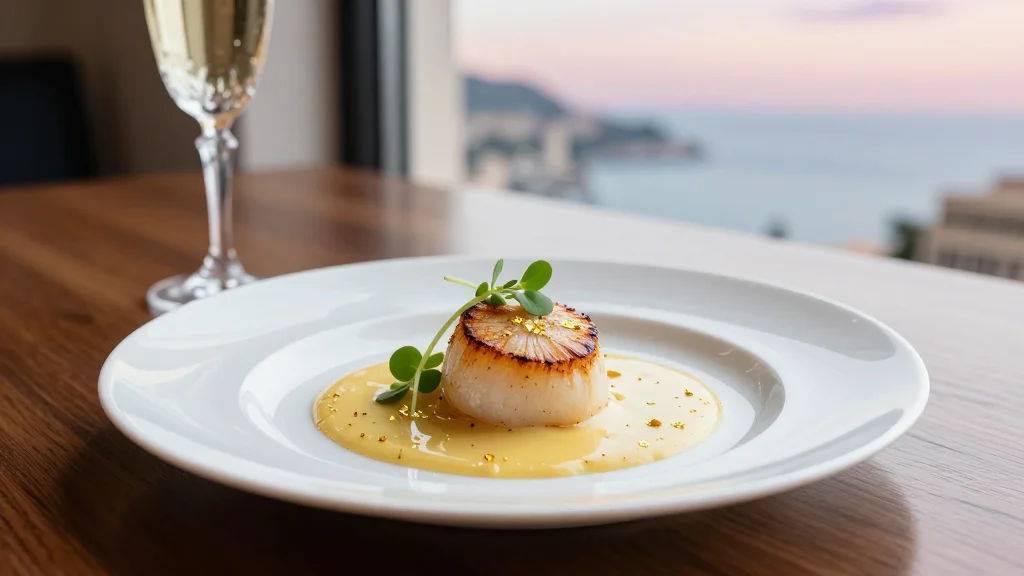
Robuchon Monaco Secures First Michelin Star Within a Year of Opening

Companies Mentioned
Why It Matters
Robuchon Monaco’s rapid Michelin recognition highlights a broader shift in fine dining toward more approachable, share‑centric experiences without sacrificing culinary excellence. The award not only validates the restaurant’s innovative model but also strengthens Monaco’s appeal as a luxury travel destination, potentially driving higher tourism revenues and encouraging other chefs to experiment with contemporary service formats. Moreover, the star adds to Monaco’s cumulative Michelin tally, reinforcing the principality’s brand as a culinary capital in Europe. For investors and hospitality operators, the development signals that new entrants can achieve top‑tier accolades quickly if they combine strong brand heritage with fresh concepts. This may influence future restaurant financing, location strategies, and talent recruitment across the region, as stakeholders seek to replicate Robuchon Monaco’s success.
Key Takeaways
- •Robuchon Monaco earned its first Michelin star less than a year after opening
- •The award was announced at the March Michelin Guide ceremony in Monaco
- •Chefs Jonathan Larrieu and Izu Ani lead the restaurant’s innovative sharing‑menu concept
- •Monaco now boasts 14 Michelin stars across its two‑square‑kilometre area
- •The star is expected to boost high‑end tourism and inspire similar dining concepts in the region
Pulse Analysis
Robuchon Monaco’s meteoric rise reflects a convergence of brand power, culinary talent, and evolving diner expectations. The Robuchon name carries decades of Michelin pedigree, giving the new venue instant credibility. By pairing that heritage with a relaxed, share‑style format, the restaurant taps into a growing appetite for social dining experiences that feel exclusive yet accessible. This hybrid model aligns with post‑pandemic consumer behavior, where diners seek both safety in shared plates and the prestige of a Michelin‑endorsed venue.
Historically, Monaco’s Michelin stars have been concentrated among long‑standing institutions that emphasize classic French haute cuisine. Robuchon Monaco’s success suggests the guide is rewarding innovation that respects tradition while redefining service norms. Competitors will likely respond by re‑examining rigid menu structures, potentially leading to a broader transformation of the principality’s fine‑dining ecosystem. For investors, the case underscores the value of strategic brand extensions—leveraging an iconic name to accelerate market entry and achieve critical acclaim.
Looking forward, the restaurant’s next challenge will be sustaining excellence amid heightened expectations. A second star would cement its status, but it also demands consistent performance and possibly further menu evolution. As Monaco prepares for the next Michelin cycle, the spotlight will be on whether other newcomers can emulate this rapid trajectory, reshaping the competitive dynamics of Europe’s most compact yet densely starred culinary market.
Robuchon Monaco Secures First Michelin Star Within a Year of Opening
Comments
Want to join the conversation?
Loading comments...