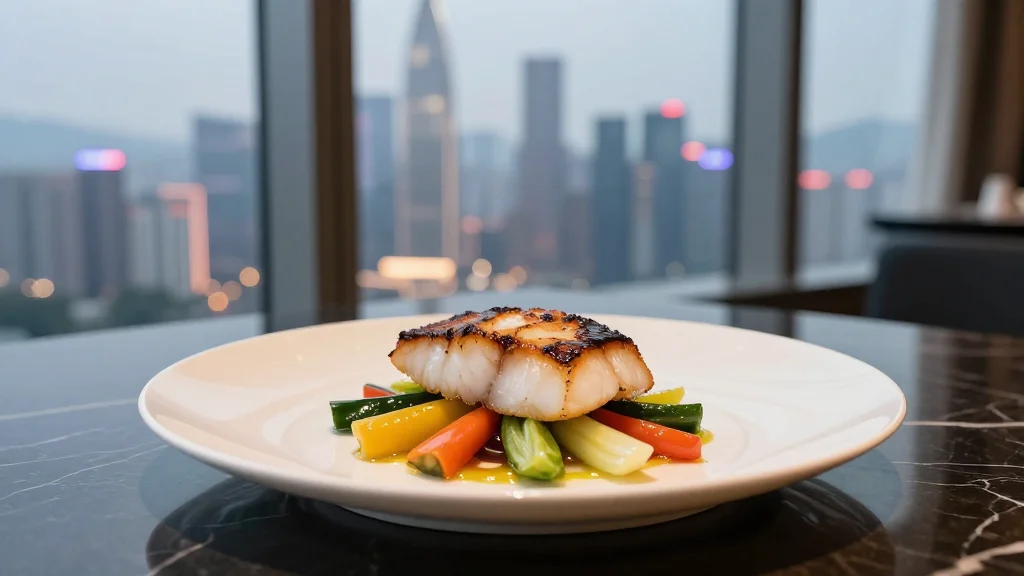
Shenzhen Emerges as Asia’s Fastest‑Growing Culinary Hotspot

Companies Mentioned
Why It Matters
Shenzhen’s rapid ascent reshapes the regional food economy, drawing talent, capital and tourists away from traditional hubs like Hong Kong and Tokyo. The city’s ability to fuse local ingredients with global techniques creates a new model for culinary innovation that other emerging markets may emulate. Moreover, the influx of cross‑border diners boosts ancillary sectors—hospitality, logistics, and luxury retail—fueling broader economic growth. For consumers, the shift expands access to world‑class dining without the premium price tags associated with established metropolises. For chefs, Shenzhen offers a fertile testing ground for experimental concepts, supported by a youthful, affluent clientele eager to explore novel flavors. The city’s trajectory therefore signals a rebalancing of Asia’s gastronomic power centers, with implications for brand positioning, supply chains, and tourism strategies across the region.
Key Takeaways
- •Up to 45% of weekend diners at top Shenzhen restaurants are international visitors.
- •Post‑COVID, local diners embraced regional flavors, driving demand for innovative cuisine.
- •Renowned chefs from Chicago, Hong Kong and the U.S. have opened flagship venues like Avant and Terra Madre.
- •Hong Kong residents cite Shenzhen’s lower cost and high‑quality dining as a weekend draw.
- •City officials are planning incentives and dedicated culinary districts to sustain growth.
Pulse Analysis
Shenzhen’s culinary boom is more than a fleeting trend; it reflects a structural realignment of Asia’s luxury consumption patterns. Historically, Hong Kong and Singapore commanded the high‑end dining narrative, leveraging colonial legacies and global connectivity. Shenzhen, by contrast, leverages its tech‑driven wealth and youthful demographics to create a homegrown luxury ecosystem. This shift mirrors the broader rise of ‘experience‑centric’ consumption among China’s new middle class, who prioritize authenticity and novelty over status symbols.
The city’s strategic advantage lies in its ability to attract diaspora talent while retaining a domestic customer base that is both affluent and adventurous. Restaurants like Avant and Mesa are not merely transplanting foreign concepts; they are hybridizing them with local ingredients, creating a distinct Shenzhen flavor profile that can be exported globally. This hybridization could become a template for other second‑tier Chinese cities seeking to differentiate themselves in a crowded market.
Looking ahead, policy will be decisive. If Shenzhen’s municipal government follows through on incentives for foreign chefs and invests in culinary infrastructure—such as dedicated food‑tech incubators and premium dining zones—the city could cement its status as a culinary capital. Conversely, any regulatory tightening or economic slowdown could stall momentum, allowing traditional hubs to reclaim market share. Investors and restaurateurs should therefore monitor both consumer sentiment and policy signals as they chart expansion strategies in the region.
Shenzhen Emerges as Asia’s Fastest‑Growing Culinary Hotspot
Comments
Want to join the conversation?
Loading comments...