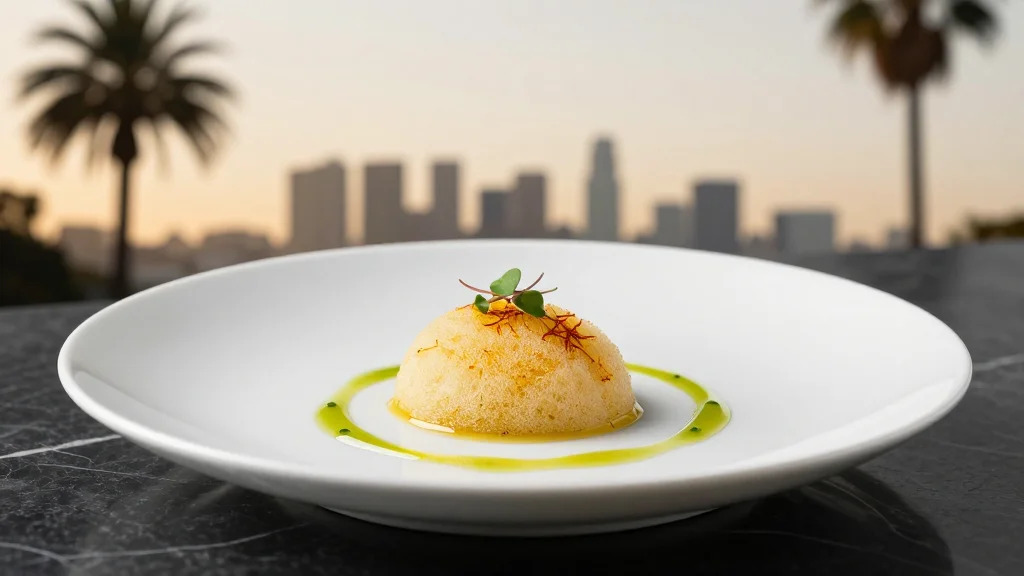
Spanish Chef Aitor Zabala Earns Three Michelin Stars for Los Angeles’ Somni

Companies Mentioned
Why It Matters
Zabala’s three‑star accolade underscores the growing influence of Spanish culinary talent on the global stage, especially in markets traditionally dominated by French and American chefs. It also demonstrates that ultra‑exclusive, high‑price concepts can thrive in the United States, challenging the notion that fine‑dining must be scalable to succeed. The award may inspire other immigrant chefs to pursue Michelin recognition, potentially diversifying the culinary narrative in U.S. cities and prompting investors to back similarly daring, low‑capacity concepts that prioritize artistry over volume.
Key Takeaways
- •Aitor Zabala becomes the first Spanish chef to earn three Michelin stars outside Spain.
- •Somni’s 14‑seat bar offers a €508 (~$555) tasting menu with mandatory wine pairing.
- •Chef’s background includes elBulli, Akelarre, ABaC, Alkimia, and ThinkFoodGroup.
- •Michelin’s recognition signals a shift toward boutique, high‑price fine‑dining in the U.S.
- •Zabala’s success may encourage more international chefs to target the American market.
Pulse Analysis
Zabala’s meteoric rise reflects a convergence of three forces: the globalization of culinary talent, the post‑pandemic appetite for hyper‑personalized experiences, and Michelin’s evolving criteria that now reward narrative and exclusivity as much as technical perfection. Historically, Michelin’s three‑star awards in the United States have been dominated by French‑inspired establishments; Zabala’s win disrupts that pattern, suggesting the guide is widening its cultural lens.
From a market perspective, Somni’s model—high price, ultra‑limited seating, and a single, meticulously crafted menu—offers a blueprint for profitability in an era where many fine‑dining venues struggle with labor shortages and fluctuating demand. By concentrating on a small number of diners, the restaurant can maintain exacting standards while commanding premium pricing, a strategy that could become more prevalent as chefs seek to mitigate operational risk.
Looking forward, the ripple effect of this award could be significant. Investors may be more willing to fund niche concepts, and culinary schools might adjust curricula to emphasize not only classic techniques but also the business acumen required to launch and sustain such ventures. For Michelin, the challenge will be to preserve its cachet while adapting to a landscape where the definition of ‘fine dining’ is increasingly fluid and globally sourced.
Spanish Chef Aitor Zabala Earns Three Michelin Stars for Los Angeles’ Somni
Comments
Want to join the conversation?
Loading comments...