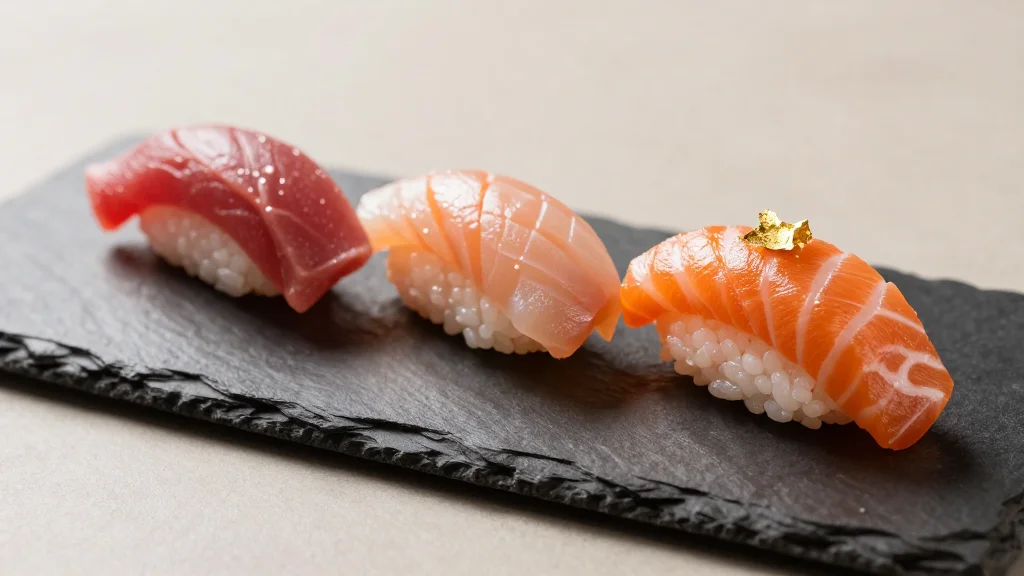
Sushi Nishinokaze Wins First Michelin Star in Montreal, Keeping Old‑Tokyo Edomae Tradition Alive

Companies Mentioned
Why It Matters
The Michelin star awarded to Sushi Nishinokaze marks a watershed moment for Canadian gastronomy, signaling that the country can host world‑class sushi that adheres to the exacting standards of Edomae tradition. By successfully integrating locally sourced Canadian fish, the restaurant challenges the long‑standing notion that premium sushi must rely exclusively on Japanese imports, opening doors for sustainable sourcing and regional pride. The recognition also elevates Montreal’s reputation as a global food destination, attracting culinary tourists and encouraging other chefs to pursue hyper‑focused, heritage‑driven concepts. Beyond the immediate prestige, the star could reshape supply chains, prompting Japanese fish exporters and Canadian fisheries to collaborate more closely. This partnership may lead to increased investment in Canadian aquaculture and wild‑catch operations that meet the exacting quality demanded by Edomae chefs, ultimately benefiting both the local economy and the environment.
Key Takeaways
- •Sushi Nishinokaze receives its first Michelin star, one of only two Quebec restaurants honored in the latest guide update.
- •Partners Julian Doan (anesthesiologist) and chef Vincent Gee opened the eight‑seat Mile End venue in February 2025.
- •The restaurant follows Edomae sushi principles, emphasizing pure rice flavor and minimal seasoning.
- •More than 50 % of the menu features Canadian seafood during tuna season, including Atlantic tuna from P.E.I. and Matane shrimp.
- •Chef Gee imports fresh Japanese fish twice weekly, balancing imports with local sourcing to maintain authenticity.
Pulse Analysis
Sushi Nishinokaze’s Michelin star is less a surprise than a logical culmination of a growing trend: the elevation of niche, chef‑centric concepts in North America’s fine‑dining arena. Historically, Michelin has favored larger, more flamboyant establishments, but recent editions have rewarded intimacy and technical mastery, as seen in the rise of sushi bars and ramen shops across the continent. The success of Doan and Gee underscores how a clear culinary identity—here, the Edomae tradition—combined with disciplined sourcing can outshine scale.
From a market perspective, the star will likely accelerate demand for high‑quality Canadian seafood, prompting fisheries to adopt stricter handling and grading standards to meet Edomae criteria. This could spur a premium segment within Canada’s seafood industry, similar to the “sashimi‑grade” market that emerged in Japan decades ago. Moreover, the restaurant’s model may inspire other chefs to experiment with local fish in traditionally Japanese preparations, potentially redefining what constitutes authentic sushi for Western diners.
Looking forward, the Michelin accolade positions Montreal as a competitive hub for culinary tourism, joining cities like New York and San Francisco in attracting global food enthusiasts. The pressure will now be on Sushi Nishinokaze to sustain its standards, especially as the guide’s next review approaches. If Doan and Gee can maintain their balance of tradition, local sourcing, and impeccable execution, they may set a template for future Michelin‑starred sushi houses across North America, reshaping both the continent’s dining map and its seafood supply chain.
Sushi Nishinokaze Wins First Michelin Star in Montreal, Keeping Old‑Tokyo Edomae Tradition Alive
Comments
Want to join the conversation?
Loading comments...