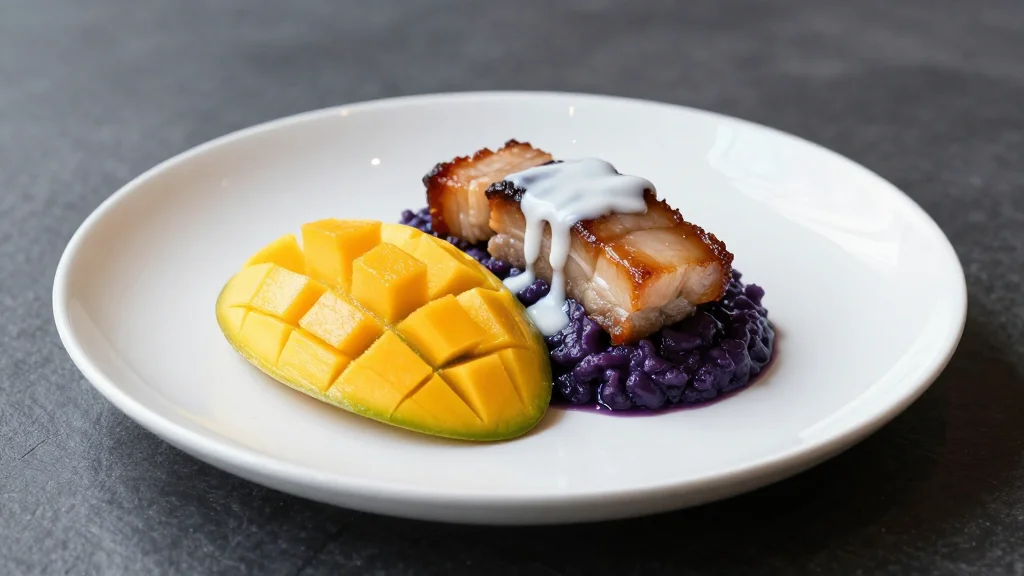
Tadhana NYC Unveils Michelin‑Level Filipino Tasting Menu in Manila

Companies Mentioned
Why It Matters
Tadhana’s Manila debut underscores a broader movement to position Filipino cuisine alongside other globally recognized culinary traditions. By marrying world‑class techniques with native ingredients, the restaurant challenges the perception that fine dining is limited to Western or East Asian fare, potentially opening doors for more Filipino chefs to compete on the world stage. Moreover, the partnership highlights the growing confidence of local investors like Resto PH to back ambitious, internationally benchmarked concepts, which could stimulate job creation, supply‑chain development, and tourism revenue. If successful, Tadhana could set a template for future cross‑border culinary collaborations, encouraging diaspora chefs to return home and invest in high‑end concepts. This could accelerate the maturation of the Philippines’ fine‑dining ecosystem, prompting Michelin and other guide bodies to consider the country for future evaluations, thereby amplifying global awareness of the nation’s rich food heritage.
Key Takeaways
- •Chef Frances Tariga, founder of New York’s Michelin‑listed Tadhana, opens a tasting menu in Manila.
- •Resto PH’s David Sison and Eric Teng partner to launch the restaurant, aiming for a lasting culinary legacy.
- •Menu blends premium global ingredients with endemic Filipino produce, featuring dishes like binatog, sawara kilaw, and sinigang sa bayabas.
- •First Michelin‑listed Filipino restaurant to establish a permanent location in the Philippines, signaling market maturation.
- •Opening slated for early June in Makati with limited seating, expected to draw local and international diners.
Pulse Analysis
Tadhana’s entry into Manila represents a strategic inflection point for the Philippines’ gastronomic sector. Historically, the country’s fine‑dining scene has been dominated by international brands or local establishments that mimic Western formats. By contrast, Tadhana leverages a diaspora chef’s global exposure while rooting the experience in Filipino terroir, a formula that could redefine premium dining expectations. The collaboration with Resto PH provides the necessary local market insight and operational muscle, mitigating the typical pitfalls of foreign‑concept rollouts.
From a competitive standpoint, Tadhana sets a high bar for ingredient sourcing and menu innovation. Its emphasis on premium imports alongside local produce may pressure existing upscale restaurants to elevate their sourcing standards, potentially driving up demand for high‑quality Filipino ingredients such as pili nuts, kamias, and locally raised wagyu. This could stimulate ancillary industries, from sustainable farming to specialty import logistics.
Looking ahead, the success of Tadhana could catalyze a wave of Michelin‑style ventures seeking to claim a stake in the Philippines. If the restaurant garners critical acclaim and strong patronage, guide bodies may be prompted to evaluate Manila more seriously, which would further legitimize the country’s culinary credentials on the world stage. Investors and chefs alike will be watching closely to see whether this model can be replicated profitably, shaping the next decade of Filipino gastronomy.
Tadhana NYC Unveils Michelin‑Level Filipino Tasting Menu in Manila
Comments
Want to join the conversation?
Loading comments...