Tagine Pasta and Spicy, Slow-Cooked Lamb: Nargisse Benkabbou’s Recipes for a Moroccan Feast
Companies Mentioned
Why It Matters
The recipes demonstrate how traditional Moroccan flavors can be adapted for quick, everyday cooking, expanding home‑cooks’ global palate while driving demand for culturally diverse cookbooks.
Key Takeaways
- •Artichoke & pea tagine sauce repurposed as pasta for 4‑6 servings
- •Recipe uses pantry staples: canned artichokes, frozen peas, olives
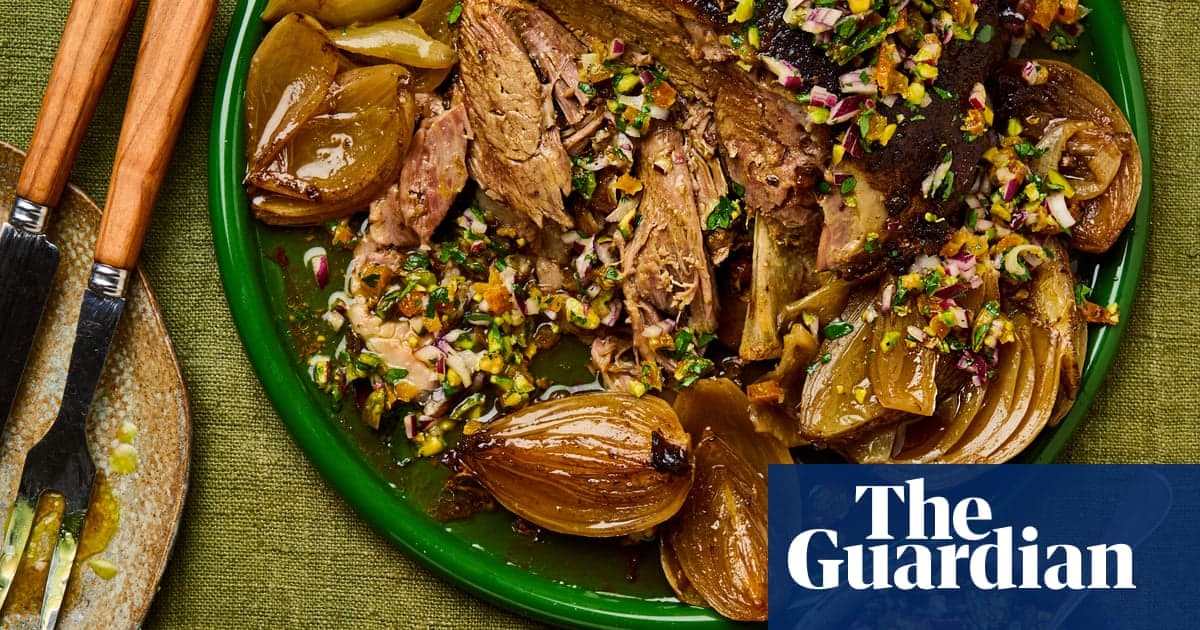
- •Ras el hanout lamb shoulder cooks 4½ hours, serves 6‑8
- •Pistachio‑apricot salsa adds sweet‑savory contrast to roasted lamb
- •Benkabbou’s Moroccan cookbook priced around $32 in US market
Pulse Analysis
Moroccan cuisine has surged in popularity among American home cooks, thanks to its bold spices and communal dining ethos. Benkabbou’s artichoke and pea tagine pasta captures that trend by translating a classic stew into a quick‑cook pasta sauce, leveraging shelf‑stable ingredients that keep the dish affordable year‑round. The recipe’s use of preserved lemon, olives, and turmeric mirrors traditional flavor profiles while the pasta base offers a familiar texture, making it an ideal entry point for diners unfamiliar with tagine cooking.
The centerpiece of the feast—a lamb shoulder méchoui—showcases the depth of Moroccan spice blends. By crafting a homemade ras el hanout mix, the dish delivers layers of warmth from cumin, coriander, and cardamom, balanced by the sweet‑savory pistachio‑apricot salsa. The long, low‑and‑slow roasting method ensures tender, fall‑off‑the‑bone meat, while the final high‑heat blast creates a caramelized crust. This technique aligns with the growing interest in slow‑cooked, restaurant‑quality proteins that can be prepared at home without specialized equipment.
Beyond the recipes, Benkabbou’s cookbook signals a broader market shift: consumers are seeking authentic yet accessible international cooking guides. Priced at roughly $32, the book competes with mainstream titles by offering concise, ingredient‑flexible instructions that respect both tradition and modern kitchen constraints. As grocery aisles stock more global pantry staples, such resources empower cooks to experiment confidently, reinforcing the culinary cross‑pollination that defines today’s food landscape.
Tagine pasta and spicy, slow-cooked lamb: Nargisse Benkabbou’s recipes for a Moroccan feast
Comments
Want to join the conversation?
Loading comments...