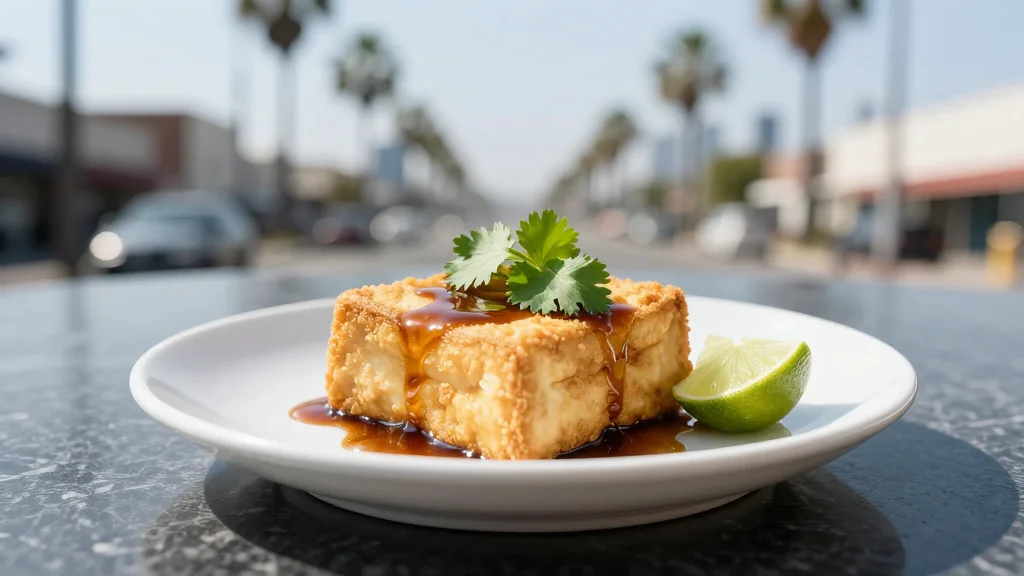
Taiwanese Restaurant Pushes to Reinstate Banned Stinky Tofu in Los Angeles
Why It Matters
The dispute highlights how municipal odor regulations can threaten culturally significant foods, affecting the viability of ethnic restaurants and community diversity. Resolving it could set a precedent for balancing public comfort with cultural inclusion in U.S. food policy.
Key Takeaways
- •Stinky tofu generated 10‑20% of Golden Leaf’s revenue
- •City cited odor violations, imposing up to $1,200 fines
- •Petition gathered over 1,000 signatures supporting dish
- •Filtration system could cost $100,000, fryer $20‑50k
- •Other local eateries continue serving stinky tofu without complaints
Pulse Analysis
Stinky tofu, a fermented delicacy beloved across Taiwan, Hong Kong and mainland China, has become a cultural touchstone for Los Angeles’ sizable Taiwanese diaspora. Golden Leaf’s customers view the pungent snack as a link to heritage, and its sales once contributed a notable slice of the restaurant’s bottom line. Yet the dish’s strong aroma has sparked neighborhood disputes, illustrating how immigrant cuisines can clash with suburban expectations of odor neutrality. The city’s enforcement actions underscore a growing tension between preserving culinary diversity and maintaining residential quality of life.
Municipal codes in California grant health and fire departments authority to curb odors that extend beyond a business’s premises. Golden Leaf faced two formal violation notices and fines totaling more than $1,000, prompting the removal of stinky tofu after three years. The owner’s proposed remedies—a $20‑50 k ventless fryer and a $100 k filtration system—reflect the steep capital outlay many small ethnic eateries must consider to comply with odor‑control standards. While neighboring establishments continue serving the same dish without complaints, Golden Leaf’s proximity to residential units has amplified scrutiny, revealing how location can dictate regulatory outcomes.
The broader implication for the U.S. restaurant landscape is clear: cultural foods may require technological investments to meet evolving health and safety expectations, or risk being sidelined by local ordinances. Policymakers could benefit from crafting nuanced guidelines that recognize the economic and social value of ethnic cuisines while addressing legitimate community concerns. As more immigrant‑owned businesses encounter similar challenges, the dialogue sparked by Golden Leaf’s petition may shape future city planning, encouraging collaborative solutions such as shared filtration infrastructure or designated culinary zones that protect both cultural expression and neighborhood comfort.
Taiwanese restaurant pushes to reinstate banned stinky tofu in Los Angeles
Comments
Want to join the conversation?
Loading comments...