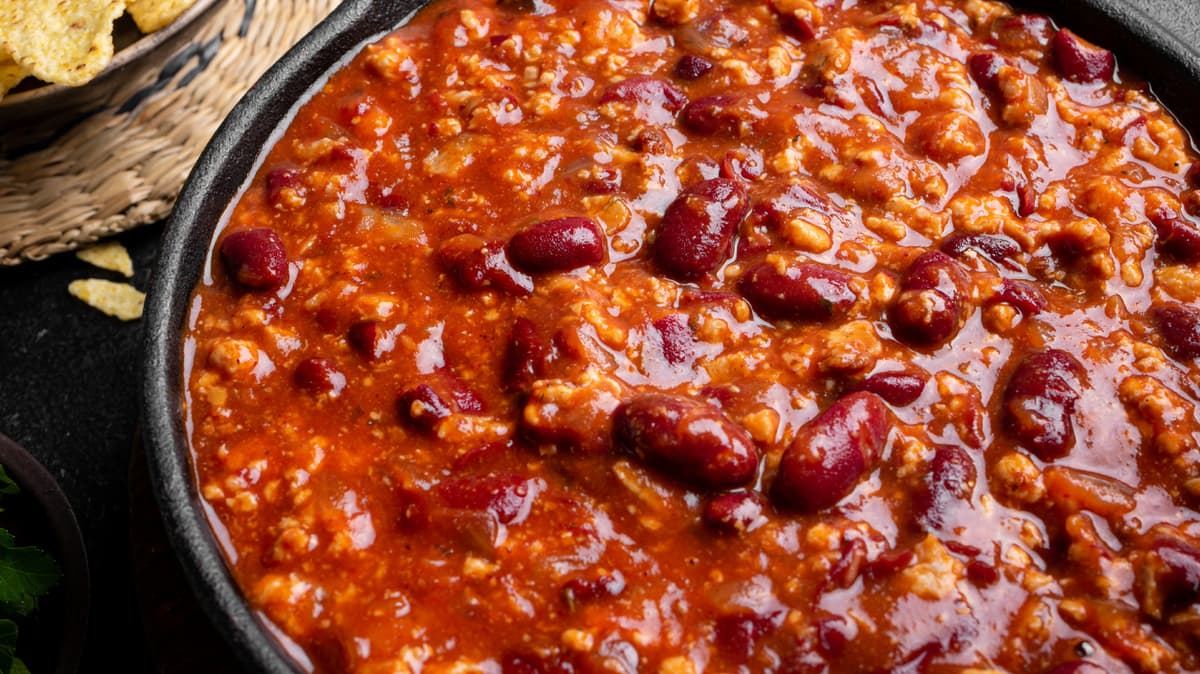
Take A Page From This Cocktail For A Flavor-Loaded Chili Experience
•March 11, 2026
0
Why It Matters
The fusion taps into consumer demand for bold, hybrid flavors, offering restaurants and brands a fresh avenue for product differentiation and menu innovation.
Key Takeaways
- •Bloody Mary ingredients inspire chili flavor profile.
- •Horseradish adds allyl isothiocyanate heat.
- •Celery salt, Tabasco, Worcestershire enhance depth.
- •Optional vodka smooths finish without strong alcohol taste.
- •Pair with vodka soda for palate balance.
Pulse Analysis
The rise of cocktail‑inspired cooking is reshaping home‑cooking narratives, and the latest buzz centers on a Bloody Mary‑infused chili. By borrowing the briny, smoky, and spicy notes of the classic brunch libation, chefs and food‑enthusiasts are turning a familiar stew into a bold, palate‑awakening experience. This crossover taps into the growing consumer appetite for hybrid dishes that deliver both comfort and novelty, a trend that brands have capitalized on through limited‑edition sauces and ready‑to‑heat meals. As more diners seek restaurant‑level creativity at the dinner table, such flavor mash‑ups gain traction on social platforms and recipe sites.
At the heart of the transformation lies chemistry. Traditional chili heat derives from capsaicin in chili peppers, while horseradish contributes allyl isothiocyanate—a pungent compound also found in mustard and wasabi. The two irritants activate different sensory pathways, creating a layered spiciness that feels both familiar and surprising. Adding celery salt, Tabasco, and Worcestershire sauce introduces umami and acidity, echoing the tomato‑forward base of a Bloody Mary. A splash of vodka, though subtle, can lower surface tension, allowing aromatic molecules to circulate more freely, resulting in a smoother finish without an overt alcohol burn.
For the food industry, this hybrid presents a clear product opportunity. Restaurants can feature “Bloody Mary Chili” as a signature menu item, pairing it with a light vodka soda to reinforce the theme. Packaged‑goods manufacturers might launch a ready‑mix containing horseradish, celery salt, and a touch of Worcestershire, positioning it as a premium seasoning kit. Marketing narratives that highlight the science‑backed flavor profile resonate with health‑conscious consumers who appreciate functional ingredients. Ultimately, the blend of mixology and comfort cuisine not only diversifies dining options but also opens new revenue streams across retail, food‑service, and digital content channels.
Take A Page From This Cocktail For A Flavor-Loaded Chili Experience
0
Comments
Want to join the conversation?
Loading comments...