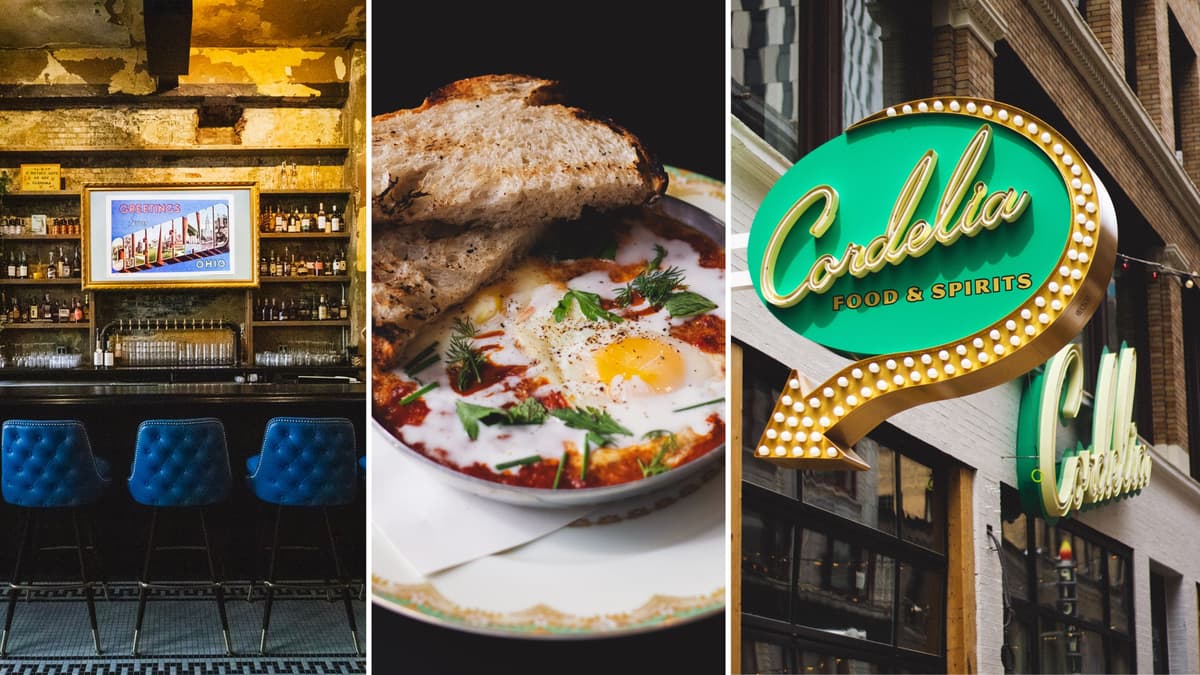
The 13 Best Restaurants in Cleveland, Ohio, a Midwestern Food City on the Rise
Why It Matters
Cleveland’s diversified restaurant scene fuels culinary tourism, supports local producers, and accelerates neighborhood revitalization, positioning the city as a competitive food destination in the United States.
Key Takeaways
- •Michael Symon's Mabel’s BBQ blends Texas BBQ with local Ohio flavors
- •Marble Room offers Beaux‑Arts steakhouse experience in historic bank building
- •Li Wah’s Asiatown dim sum rivals West Coast markets
- •Zhug lets diners craft Mediterranean small plates with signature hot sauce
- •West Side Market undergoes $53 million renovation, boosting food tourism
Pulse Analysis
Cleveland’s culinary renaissance is rooted in its ethnic tapestry and a surge of chef‑driven concepts that marry Midwestern comfort with global flair. The city’s 100‑plus ethnic groups have seeded neighborhoods like Ohio City, Tremont, and Asiatown with authentic flavors—from Hungarian paprikash to Chinese dim sum—while contemporary chefs such as Michael Symon and Vinnie Cimino reinterpret those traditions using locally sourced Cuyahoga Valley produce. This blend of heritage and innovation not only satisfies locals but also draws food‑focused travelers seeking a genuine Midwestern experience.
Signature establishments are anchoring this momentum. Mabel’s BBQ showcases a Texas‑style smokehouse infused with Ohio’s Bertman mustard and pastrami spices, while the Marble Room revives a historic bank as a Beaux‑Arts steakhouse, offering dry‑aged Delmonico cuts and a curated raw bar. Meanwhile, Zhug’s Mediterranean bistro empowers diners to assemble plates around a house‑made green hot sauce, reflecting a broader farm‑to‑table trend that emphasizes seasonal, locally sourced ingredients. These venues, many helmed by James Beard‑nominated chefs, act as catalysts for neighborhood revitalization, attracting investment, new residents, and ancillary businesses such as boutique breweries and wineries.
The economic ripple effect is evident in large‑scale projects like the West Side Market’s $53 million transformation, which modernizes infrastructure while preserving the market’s historic charm. Upgraded climate‑controlled produce areas, expanded grab‑and‑go options, and dedicated event spaces position the market as a culinary showcase for both locals and tourists. As Cleveland’s food scene continues to garner national attention, the city is poised to leverage its culinary assets for broader economic growth, reinforcing its status as a rising Midwestern food city.
The 13 Best Restaurants in Cleveland, Ohio, a Midwestern Food City on the Rise
Comments
Want to join the conversation?
Loading comments...