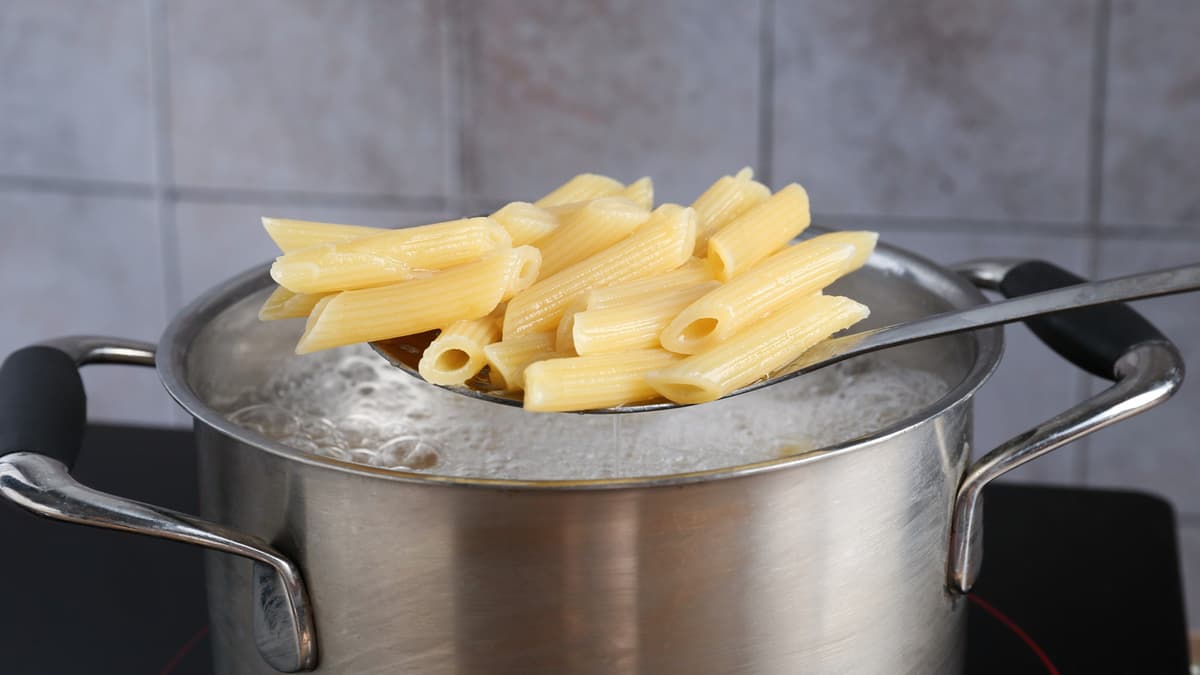
The 2 Ingredients For Perfect Pasta, According To An Italian Chef
Why It Matters
Proper salting transforms a basic staple into restaurant‑quality pasta, boosting flavor and texture while reducing the risk of over‑cooking—a win for home cooks and the broader food‑service industry.
Key Takeaways
- •Add ½ tbsp sea salt per gallon of water for optimal flavor
- •Salt should be added before water reaches a boil to maintain temperature
- •Sea salt preferred; Himalayan salt lacks sufficient sodium
- •Salt raises water’s boiling point, preventing temperature drop when pasta is added
- •Salt interacts with gluten, enhancing al dente texture and preventing over‑cooking
Pulse Analysis
The chemistry behind salting pasta water is often overlooked, yet it plays a pivotal role in culinary outcomes. Adding salt before the water reaches a rolling boil raises the liquid's boiling point by a few degrees, ensuring the water stays at peak temperature when the noodles hit the pot. This subtle temperature boost prevents the sudden cooling that occurs when dry pasta is introduced, keeping the cooking environment consistent and reducing the likelihood of uneven cooking. Culinary schools have long taught this principle, but modern home cooks sometimes skip the step, leading to bland or over‑cooked results.
Beyond temperature control, salt directly influences the pasta’s internal structure. As the noodles hydrate, sodium ions interact with gluten proteins, tightening the matrix and reinforcing the al dente texture that defines quality Italian cuisine. This interaction also allows a modest amount of seasoning to permeate the pasta itself, rather than merely coating the surface. The choice of salt matters: sea salt’s larger crystals dissolve predictably, delivering the recommended ½ tablespoon per gallon, while Himalayan salt’s lower sodium content can leave the dish under‑seasoned. Chefs therefore favor sea salt for its balance of flavor and functional properties.
For the everyday cook, the takeaway is straightforward: measure salt, add it to cold water, and bring the pot to a vigorous boil before dropping in the pasta. Avoid the temptation to over‑salt; a half‑tablespoon per gallon is sufficient for most dishes. Pair this technique with proper timing and a quick rinse of the pot to prevent starch buildup, and even novice cooks can replicate the texture and taste of a top‑tier Italian restaurant in their own kitchen.
The 2 Ingredients For Perfect Pasta, According To An Italian Chef
Comments
Want to join the conversation?
Loading comments...