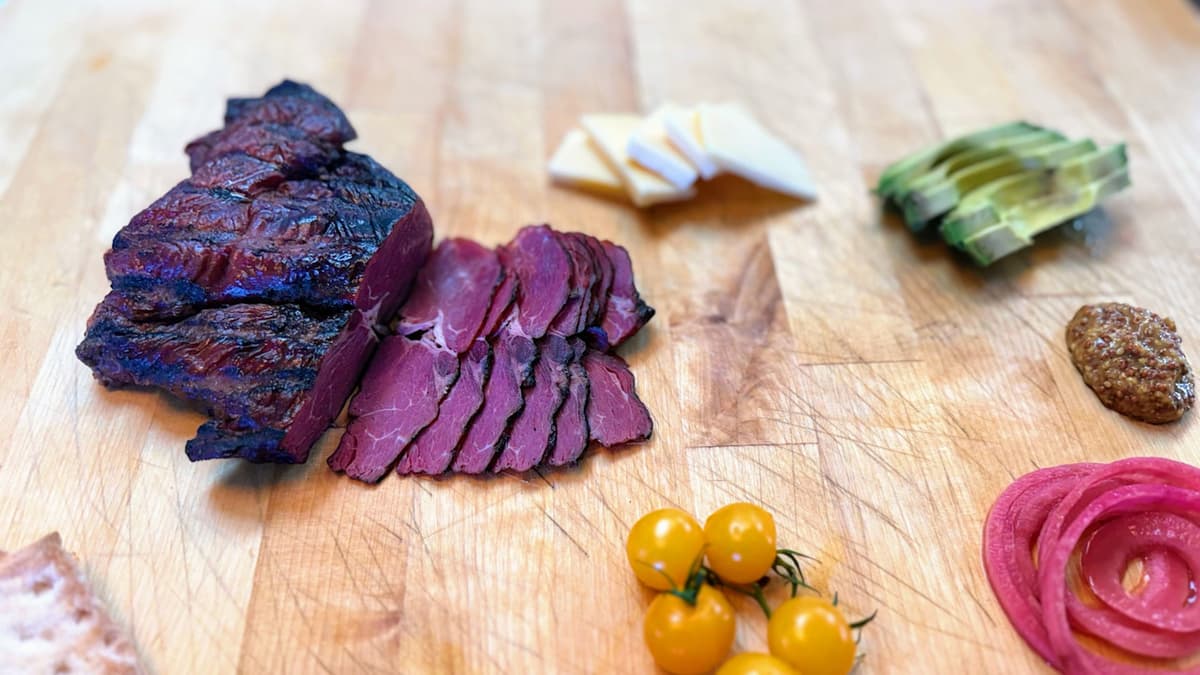
Why It Matters
Accurate equilibrium curing turns potentially tough wild‑game meat into safe, flavorful ham, meeting food‑safety standards while expanding the home‑smoking market for adventurous cooks.
Key Takeaways
- •Equilibrium curing uses exact salt percentages based on meat weight
- •2% salt, 1% sugar, 0.25% pink curing salt in brine
- •Standard 14‑day cure for 1‑inch thick wild‑game cuts
- •Smoke at 180‑250 °F until internal temperature reaches 160 °F
- •Digital scale prevents over‑salting and ensures safety
Pulse Analysis
Home cooks are increasingly turning to wild‑game as a sustainable protein source, but the transition from raw cut to table‑ready ham requires more than seasoning. The equilibrium curing method offers a science‑backed approach that balances flavor development with safety. By calculating salt, sugar, and pink curing‑salt percentages from the combined weight of meat and water, the process ensures uniform diffusion, preventing the over‑salting pitfalls of traditional excess‑salt cures. This precision is especially critical for game species prone to parasites, such as wild hogs and bears, where proper brining and temperature control are non‑negotiable.
The chemistry behind EQ curing hinges on osmosis: salt migrates until its concentration equalizes across muscle fibers, preserving moisture while developing a nuanced cure. Using a digital kitchen scale eliminates guesswork, guaranteeing that the 0.25 % Prague Powder #1 remains within safe limits for nitrite exposure. After a 14‑day rest—adjusted for thickness—the meat is rinsed, glazed, and smoked at a controlled 180‑250 °F range. This low‑and‑slow heat not only imparts a classic smoky aroma but also drives the internal temperature to the USDA‑mandated 160 °F, neutralizing Trichinella spiralis larvae.
For the broader market, the EQ method lowers the barrier to entry for small‑scale producers and hobbyists alike. Reliable results without the risk of a salty disaster make wild‑game ham an attractive product for specialty retailers and farm‑to‑table restaurants. As consumer interest in ethical, locally sourced meats grows, mastering equilibrium curing equips chefs and entrepreneurs with a repeatable, high‑quality offering that satisfies both palate and regulatory standards.
The Best Method for Making Wild Game Ham
Comments
Want to join the conversation?
Loading comments...