The Best New York City Neighborhoods for Restaurants
Why It Matters
These neighborhoods illustrate how cultural diversity and real‑estate quirks fuel restaurant innovation, attracting diners and boosting local economies. Understanding these micro‑trends helps investors, developers and food entrepreneurs anticipate where the next dining hotspots will emerge.
Key Takeaways
- •Elmhurst offers three Thai restaurants on Times' top 100 list.
- •Warung Selasa serves $15 banana‑leaf Indonesian lunches weekly.
- •Chinatown blends traditional Cantonese eateries with innovative global concepts.
- •East Village thrives on quirky spaces and experimental menus.
- •These neighborhoods boost foot traffic, tourism, and local rents.
Pulse Analysis
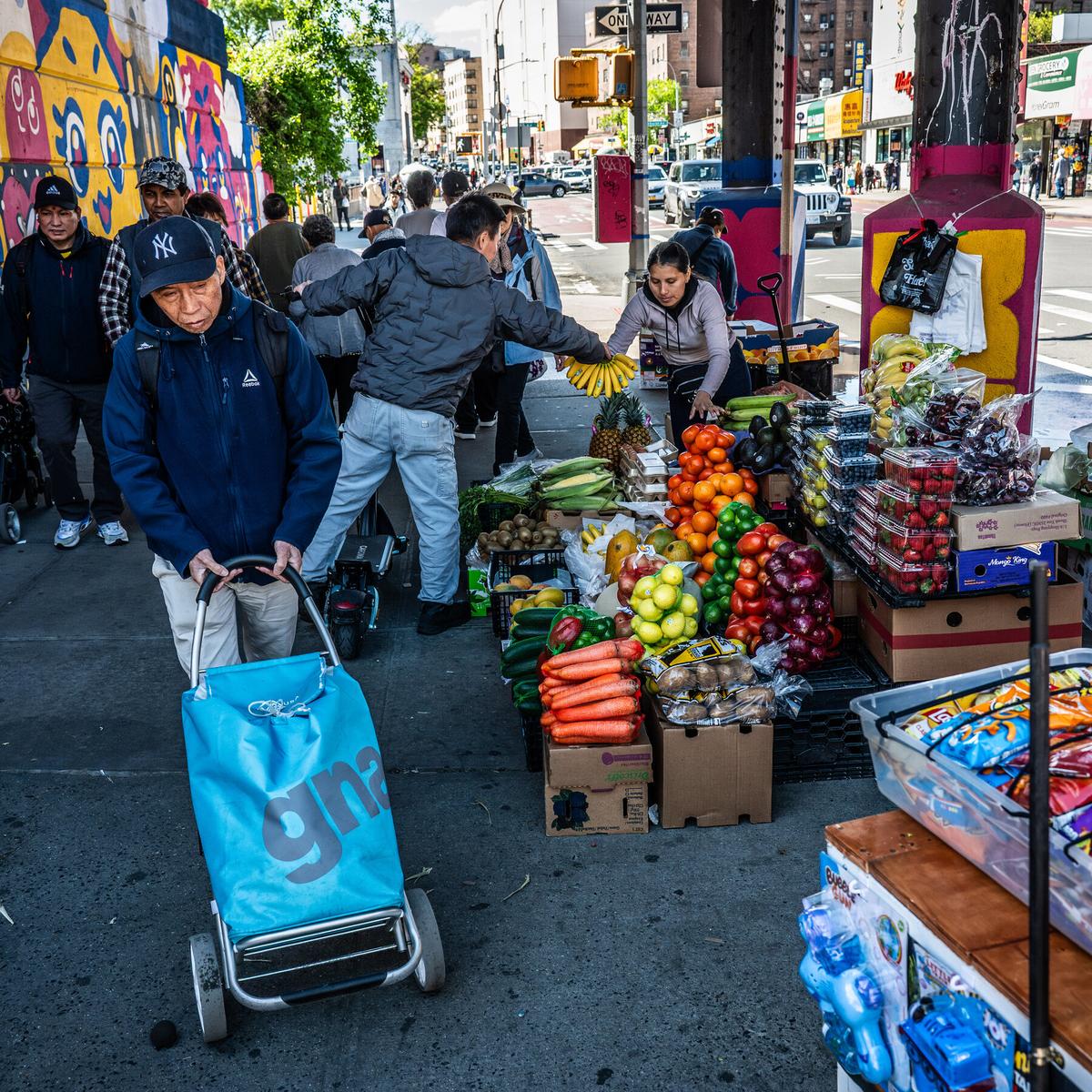
New York’s dining scene has long been a barometer of its cultural vitality, but recent coverage underscores a shift toward hyper‑local discovery. Elmhurst, once a quiet Queens suburb, now commands attention thanks to a concentration of immigrant‑run eateries that combine affordability with authenticity. The $15 banana‑leaf lunch at Warung Selasa exemplifies how modest price points can draw a steady crowd, supporting nearby storefronts and reinforcing Queens’ reputation as a culinary incubator. This grassroots growth fuels job creation and raises property values, prompting developers to consider food‑centric zoning in future projects.
Chinatown’s evolution reflects a broader narrative of adaptation amid gentrification. While legacy establishments like Hop Lee preserve Cantonese traditions, newcomers such as Kono and Corima inject Japanese and Mexican flavors, creating a fusion ecosystem that attracts both longtime residents and adventurous tourists. The neighborhood’s ability to host diverse concepts within historic arcade spaces demonstrates how cultural heritage can coexist with modern gastronomy, enhancing the area’s appeal and encouraging higher rent premiums for adaptable retail units.
The East Village showcases how unconventional real‑estate conditions can spark culinary creativity. Narrow tenements, basement flood risks, and a patchwork of micro‑units have forced restaurateurs to think vertically and conceptually, resulting in venues like Carnitas Ramirez and Superiority Burger that thrive on limited footprints and experimental menus. This environment nurtures start‑ups willing to test bold ideas, contributing to the city’s reputation as a global food capital and signaling to investors that the next wave of profitable concepts may emerge from the most unlikely corners.
The Best New York City Neighborhoods for Restaurants
Comments
Want to join the conversation?
Loading comments...