Why It Matters
Choosing the right pan directly influences flavor depth, cooking efficiency, and the ability to deglaze for sauces, making it a critical decision for both home cooks and professional chefs.
Key Takeaways
- •Stainless steel or cast iron pans ensure even heat distribution.
- •Shallow, wide pans allow a single onion layer for proper browning.
- •Non‑stick pans cause hot spots and prevent fond development.
- •Overcrowding leads to steaming, inhibiting caramelization.
- •Use multiple pans if a single large pan isn’t available.
Pulse Analysis
The material of a cooking vessel plays a pivotal role in caramelizing onions because heat conductivity determines how uniformly the sugars melt and brown. Stainless steel and cast iron excel at spreading heat across the base, preventing the hot spots that plague thin‑walled non‑stick pans. This even distribution not only speeds up moisture loss but also encourages the formation of fond—a caramelized layer of browned bits that adds umami richness when deglazed for gravies or vinaigrettes. Chefs prize fond for its ability to deepen sauces without extra ingredients.
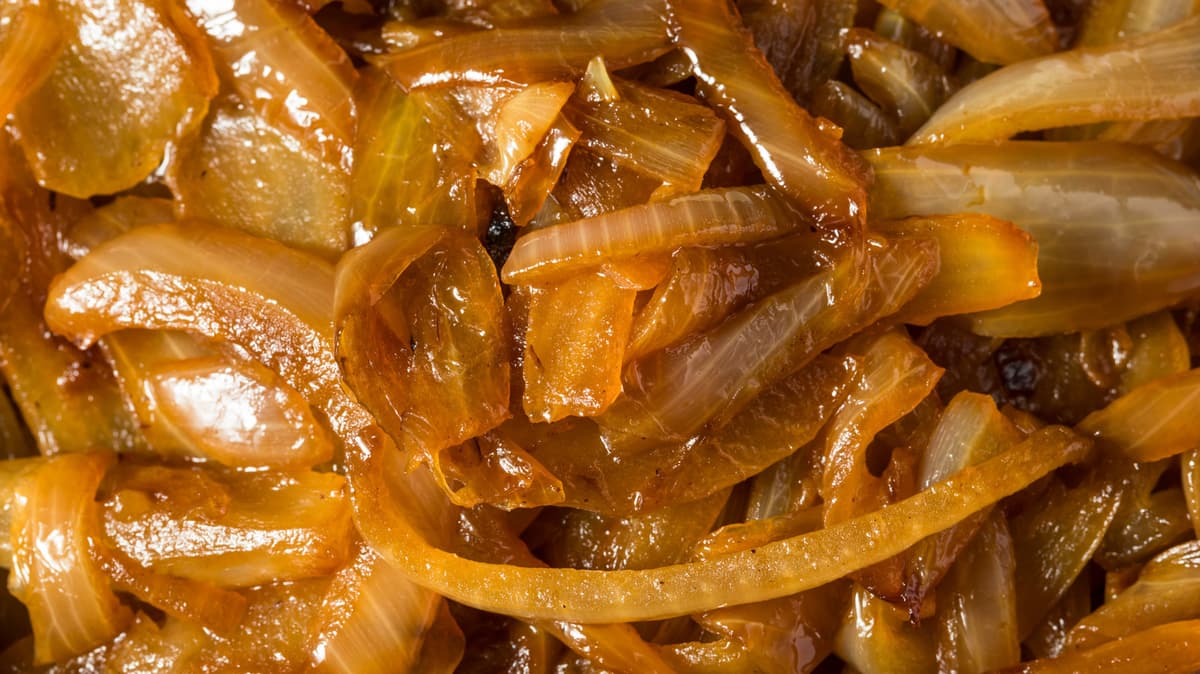
Pan size and shape are equally decisive. A shallow, wide pan provides ample surface area for onions to sit in a single, un‑crowded layer, allowing steam to escape and sugars to undergo the Maillard reaction. When onions are stacked, the excess moisture creates a steaming environment, resulting in pale, soggy pieces that never achieve the coveted deep amber hue. If a single large pan is unavailable, splitting the batch across multiple smaller pans preserves the necessary surface exposure and yields consistent caramelization across the board.
Beyond the immediate culinary outcome, the right pan choice impacts kitchen efficiency and cost. Investing in a durable stainless steel or cast iron skillet pays off through longevity and versatility, serving everything from searing steaks to simmering sauces. Home cooks can leverage these insights to elevate everyday dishes—think gourmet burgers, pizza toppings, or French onion soup—while minimizing trial‑and‑error. In professional settings, the ability to produce consistently caramelized onions accelerates prep timelines and enhances menu flavor profiles, reinforcing the pan’s strategic importance in any kitchen.
The Best Type Of Pan For Caramelizing Onions
Comments
Want to join the conversation?
Loading comments...