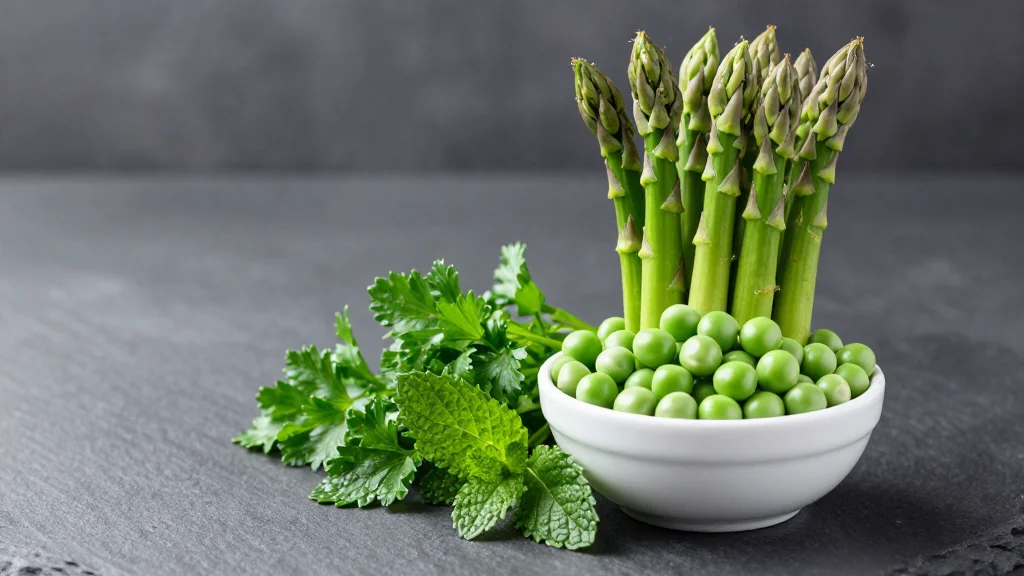
The Best Ways to Cook with Spring Produce, Including Asparagus, Peas and Herbs
Why It Matters
Seasonal cooking taps into growing consumer demand for fresh, nutritious meals while supporting local agriculture, creating a win‑win for health‑conscious diners and the supply chain.
Key Takeaways
- •Roast asparagus with olive oil, salt, and lemon for crisp texture
- •Blanch peas briefly to preserve sweetness and vibrant green color
- •Toss fresh herbs into vinaigrette for bright, aromatic dressings
- •Seasonal produce supports local farms and cuts transportation emissions
- •Light sauté preserves nutrients while delivering a quick weeknight meal
Pulse Analysis
Spring arrives with a surge of green produce that reshapes grocery aisles and farmer‑market stalls. Consumers are increasingly seeking vegetables that deliver both flavor and nutrition, driving a 12% year‑over‑year rise in asparagus and pea sales according to market data. This shift reflects broader health trends, as the bright pigments in these crops signal antioxidants and vitamins that appeal to diet‑focused shoppers. Retailers respond by expanding shelf‑space for locally sourced greens, reinforcing the link between seasonality and profitability.
Culinary experts recommend low‑heat methods to maximize the natural qualities of spring vegetables. Roasting asparagus with a drizzle of olive oil and a splash of lemon intensifies its caramelized edges while retaining a tender core. Peas benefit from a brief blanch in salted water, locking in their sweet snap and vivid hue before being tossed into salads or risottos. Fresh herbs—such as mint, dill, and tarragon—shine when blended into light vinaigrettes or stirred into sauces at the end of cooking, adding aromatic depth without overwhelming the palate. These techniques align with the growing preference for quick, health‑forward meals that require minimal prep.
For the foodservice industry, the spring harvest presents an opportunity to differentiate menus and reduce costs. Restaurants can feature asparagus‑centric dishes or pea‑based purées that showcase local sourcing, appealing to diners who value sustainability. Moreover, the reduced need for heavy sauces or long cooking times translates into lower energy consumption and faster kitchen turnover. By leveraging the freshness and visual appeal of spring produce, businesses can meet consumer expectations for flavor, wellness, and environmental responsibility, strengthening brand loyalty during the lucrative seasonal window.
The best ways to cook with spring produce, including asparagus, peas and herbs
Comments
Want to join the conversation?
Loading comments...