The Black Culinary Renaissance Happening In Asheville, North Carolina
Why It Matters
The resurgence diversifies Asheville’s culinary identity, fostering Black entrepreneurship and preserving cultural heritage that was once displaced by urban renewal. It also positions the city as a destination for authentic, heritage‑rich dining experiences.
Key Takeaways
- •Good Hot Fish showcases Affrilachian cuisine, long lines daily
- •Sistas on Montford revives legacy of historic Black restaurant
- •Chef Rakim Gaines blends soul food, Spanish tapas at Capella
- •Black chefs counter historic erasure from urban renewal projects
- •Renaissance drives Black entrepreneurship and tourism in Asheville
Pulse Analysis
Asheville has long been celebrated for its vibrant food culture, yet the city’s culinary narrative has been skewed by a predominance of white‑owned establishments. Historical urban‑renewal projects in the early 2000s razed entire Black neighborhoods, displacing families and shuttering generations of Black‑owned eateries. This loss not only erased economic opportunities but also muted the region’s diverse gastronomic heritage, leaving a cultural void that modern chefs are now determined to fill.
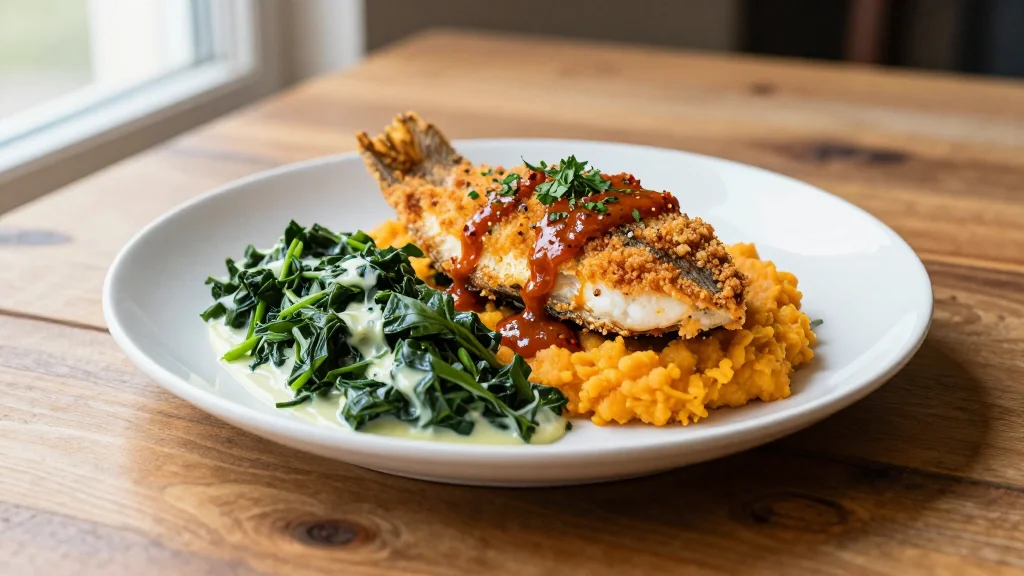
Enter a new wave of Black culinary leaders who are rewriting Asheville’s food story. Chef Ashleigh Shanti’s Good Hot Fish serves up Affrilachian dishes—golden‑fried fish, sweet‑potato cabbage pancakes, and baked mac & cheese—rooted in Appalachian foraging and West African soul food traditions. Meanwhile, the Wynn family’s Sistas on Montford resurrects the legacy of their matriarch’s New Ritz Café, offering home‑cooked comfort that echoes Friday fish fries and Sunday church gatherings. At the upscale Capella on 9, executive chef Rakim Gaines fuses Spanish tapas techniques with Mississippi‑style pot roast flavors, showcasing how Black culinary heritage can thrive in fine‑dining contexts.
The impact extends beyond plates. By reclaiming space in Asheville’s competitive restaurant market, these chefs are generating jobs, attracting tourists seeking authentic cultural experiences, and inspiring a new generation of Black entrepreneurs. Their success challenges lingering disparities in chef representation—where Black professionals comprise just 12.5% of U.S. chefs—and signals a broader shift toward inclusive, heritage‑driven gastronomy. As the city embraces this renaissance, Asheville stands to benefit economically and culturally, solidifying its reputation as a true foodtopia for all its residents and visitors.
The Black Culinary Renaissance Happening In Asheville, North Carolina
Comments
Want to join the conversation?
Loading comments...