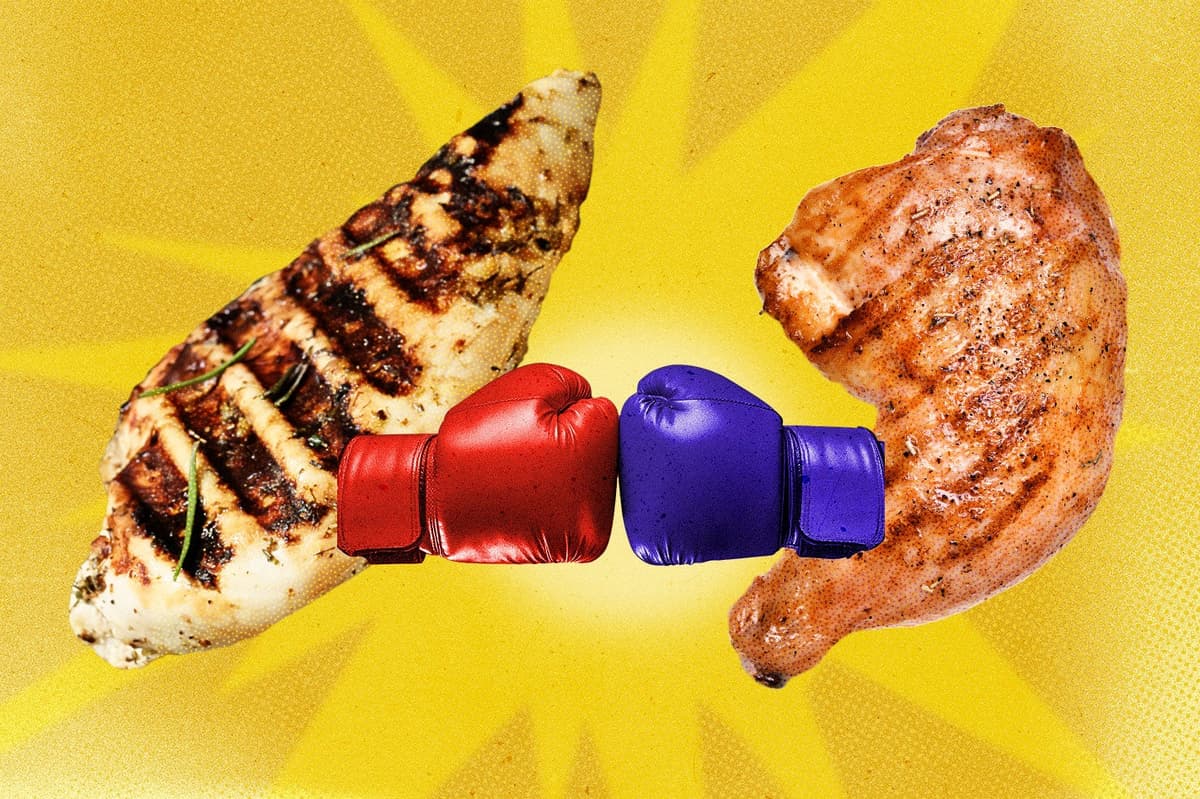
The Chicken Thigh Is the Current Darling of the American Table. But Its Popularity Is Costing Us More Than We Realize.
Why It Matters
The trend reshapes supply chains and menu development, influencing profit margins for producers and restaurants while steering consumer nutrition choices toward fattier cuts.
Key Takeaways
- •Chicken thigh sales have risen year‑over‑year since late 2010s
- •Automation of deboning made dark meat widely available in grocery aisles
- •Chefs favor thighs for flavor; breasts need brining or pounding
- •Restaurant menus now showcase thighs in Korean, Japanese, and fast‑casual dishes
- •Overemphasis on thighs may limit culinary creativity with lean cuts
Pulse Analysis
The surge in chicken‑thigh popularity reflects a broader transformation in the U.S. meat supply chain. Modern processing plants can debone dark meat at scale, turning thighs from a niche product into a staple on supermarket shelves. This efficiency has lowered unit costs, prompting retailers to promote thighs alongside traditional white meat. As a result, poultry producers are reallocating live‑bird yields, investing in larger thigh‑focused inventories, and negotiating new pricing structures that favor high‑volume, lower‑margin dark‑meat sales.
Cultural shifts have amplified the trend. Korean fried chicken, Japanese karaage, and fast‑casual concepts like Chipotle and Sweetgreen have embraced thighs for their richer flavor and forgiving cooking profile. Consumers, increasingly educated about the pitfalls of low‑fat diets, now view the extra fat in dark meat as a source of taste rather than a health hazard. This perception drives menu innovation, with restaurants highlighting thigh‑based dishes as premium, indulgent options, while home cooks appreciate the simplicity of rendering skin‑on thighs without added oil.
For chefs and food entrepreneurs, the thigh boom presents both opportunity and caution. While thighs enable quick, flavorful plates, the marginalization of chicken breast risks narrowing the culinary toolkit for lean‑protein applications such as cutlets, salads, and health‑focused entrees. Innovators who master brining, precise temperature control, or creative breading can revive the breast as a canvas for high‑skill dishes, differentiating themselves in a market saturated with dark‑meat comfort foods. Looking ahead, balanced product development that leverages the profitability of thighs while preserving the versatility of breasts will likely dictate long‑term success for both manufacturers and restaurateurs.
The Chicken Thigh Is the Current Darling of the American Table. But Its Popularity Is Costing Us More Than We Realize.
Comments
Want to join the conversation?
Loading comments...