Why It Matters
The phenomenon illustrates how regional food adaptations can generate lifelong brand loyalty and open niche e‑commerce opportunities, turning cultural nostalgia into a scalable business model.
Key Takeaways
- •New England Chinese food has 21,000 Facebook group members.
- •Bamboos Nation Interstate ships classic dishes nationwide since 2023.
- •Regional palate created sweeter sauces with lobster and molasses.
- •Kowloon’s Tiki theme has served Scorpion Bowls for 75 years.
- •Chinese chefs blended Irish‑Italian tastes, adding chicken fingers.
Pulse Analysis
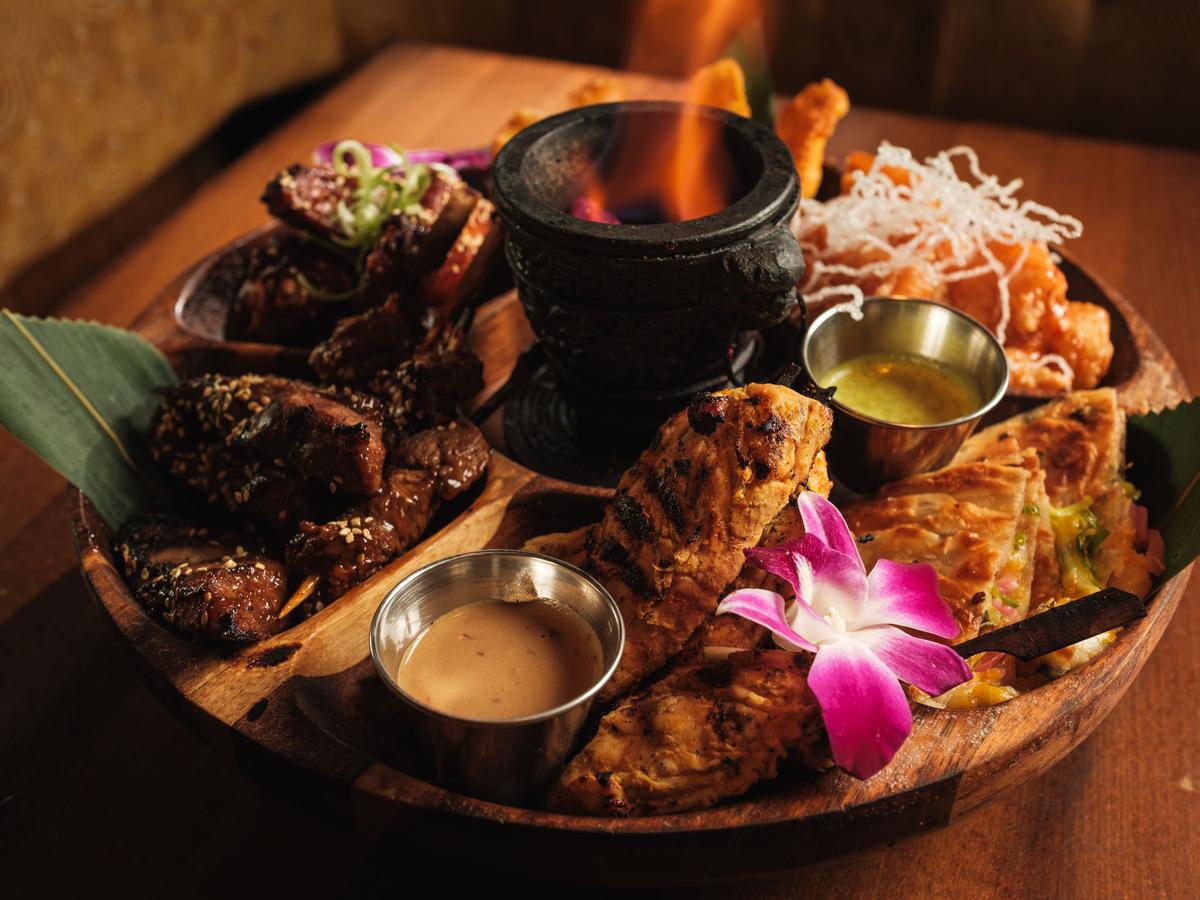
The rise of New England Chinese food underscores how immigrant chefs historically reshaped menus to suit local tastes, blending traditional techniques with regional ingredients. In the mid‑20th century, Boston’s dominant Irish and Italian communities prompted Chinese restaurateurs to sweeten sauces with molasses and incorporate seafood like lobster, producing a uniquely sweet‑savory profile that still defines the region’s takeout. This culinary hybrid not only satisfied immediate palates but also cemented a cultural identity that persists across generations.
Today, that identity fuels a thriving nostalgia market. The New England Chinese Food Support Group’s 21,000 members illustrate a deep‑seated emotional connection, prompting entrepreneurs like Jim Lawlor to launch Bamboos Nation Interstate. By shipping signature dishes such as pork fried rice and boneless ribs to former residents across the country, the company taps into a willingness to pay for comfort food that evokes childhood memories. This model mirrors broader trends where regional specialties—think Philly cheesesteaks or Chicago deep‑dish—are monetized through direct‑to‑consumer logistics, expanding revenue beyond brick‑and‑mortar constraints.
Looking forward, the sustained popularity of venues like Kowloon, a 75‑year‑old Tiki‑themed staple, suggests that experiential dining combined with nostalgic flavors can remain a competitive differentiator. As food‑delivery platforms proliferate, restaurateurs may leverage the New England Chinese brand to launch limited‑time pop‑ups or curated meal kits, further monetizing cultural heritage. For investors and operators, the case study highlights the value of preserving regional culinary quirks while modernizing distribution, turning a beloved local tradition into a scalable, profitable niche.
The cult of New England Chinese food
Comments
Want to join the conversation?
Loading comments...