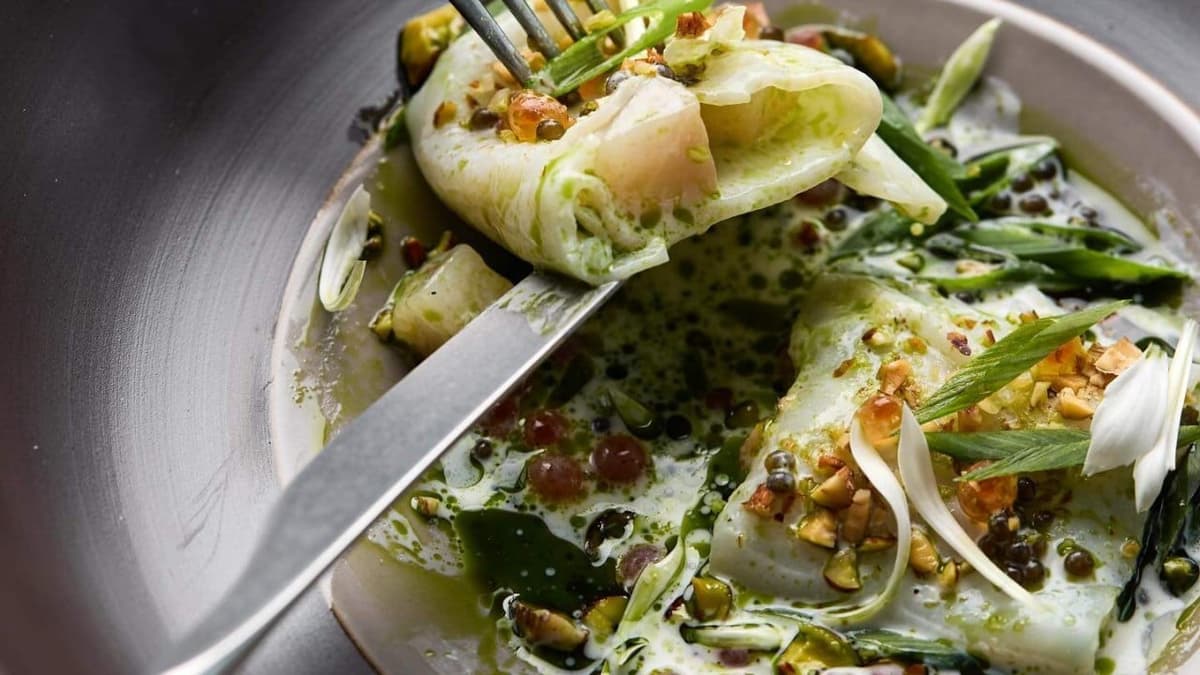
The Hong Kong Chefs Serving up East-West Fusion Food without the Stigma
Companies Mentioned
Why It Matters
The acceptance of sophisticated fusion reshapes Hong Kong’s fine‑dining landscape, attracting discerning diners and positioning the city as a global culinary innovation hub.
Key Takeaways
- •Amalgamate blends French technique with Hong Kong home flavors
- •Ebauche reinterprets French cuisine using Asian taste profiles
- •Aera fuses Nordic minimalism with local Hong Kong ingredients
- •New generation normalizes fusion, reshaping Hong Kong’s fine‑dining identity
Pulse Analysis
The term “fusion” once evoked eye‑rolls among purist chefs, but today it is evolving into a hallmark of culinary sophistication. Early gimmicks—Korean‑Mexican tacos or sushi burritos—gave way to a deeper dialogue between traditions, as diners worldwide began craving nuanced, cross‑cultural experiences. This broader acceptance mirrors a global trend where high‑end restaurants use fusion not as a novelty but as a framework for creative expression, leveraging diverse techniques to elevate familiar flavors.
In Hong Kong, chefs like Kasey Chan, Antonio Au, and Chevalier Yau embody this transformation. Chan’s Amalgamate pairs foie gras with Chiu Chow lo sui, while Au deconstructs fermented bean curd into French‑style beef beignets, and Yau reimagines Swedish barley porridge as a Chiu Chow‑inspired congee. Their menus demonstrate that fusion can coexist with Michelin‑star rigor, offering diners refined dishes that honor both heritage and innovation. The city’s dense, multicultural fabric provides a fertile testing ground, allowing chefs to source local produce, experiment with technique, and attract an international clientele hungry for novel yet authentic flavors.
The business implications are significant. As fusion gains legitimacy, Hong Kong’s restaurant sector can command premium pricing, draw culinary tourism, and nurture talent adept at navigating multiple gastronomic languages. Investors see opportunities in concept‑driven venues that blend branding, sustainability, and cross‑border supply chains. Moreover, the fusion model encourages collaborations with overseas partners, expanding market reach and fostering a resilient, future‑proof dining ecosystem that can adapt to shifting consumer palates and economic conditions.
The Hong Kong chefs serving up East-West fusion food without the stigma
Comments
Want to join the conversation?
Loading comments...