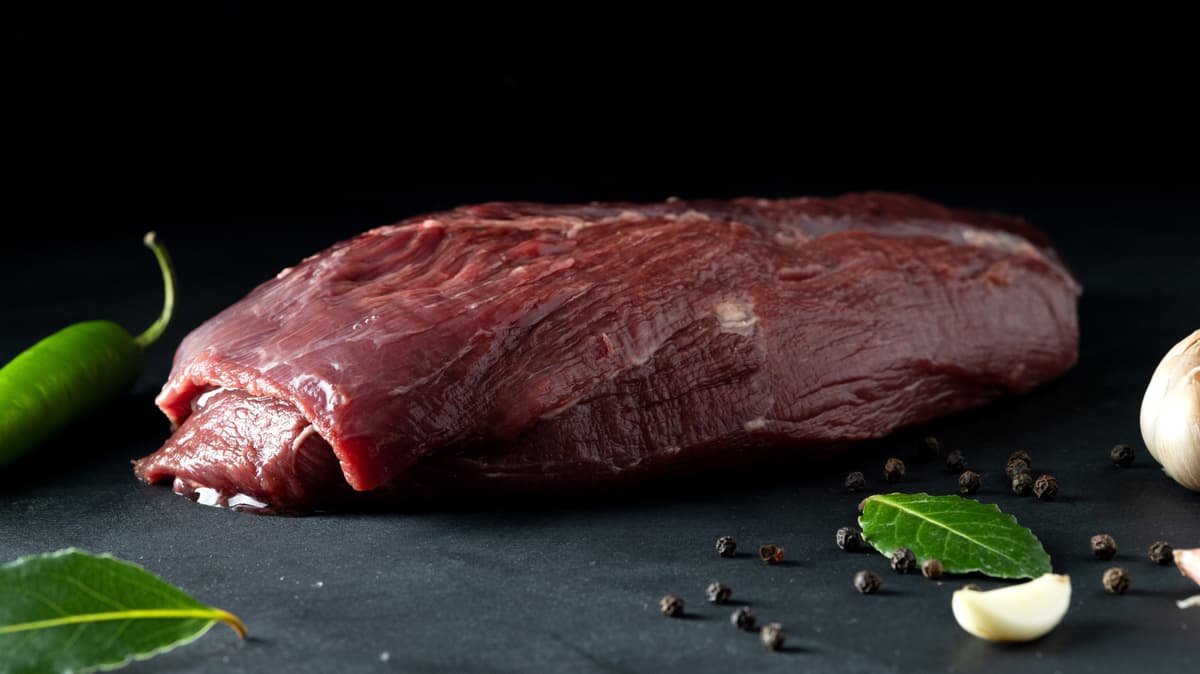
The Iconic Alaskan Meat People In Most States Don't Know Exists
Why It Matters
The dish illustrates how regional food traditions can create niche market opportunities and support local, sustainable protein sources, while also highlighting supply‑chain challenges in remote U.S. states. Its growing appeal among food‑curious consumers could drive tourism and specialty‑product exports.
Key Takeaways
- •Alaska's reindeer sausage blends up to 30% reindeer meat.
- •Alder‑wood smoking gives the sausage its subtle sweet flavor.
- •Reindeer herding in Alaska is regulated and steadily declining.
- •Scandinavian markets serve reindeer sausage with lingonberry jam.
Pulse Analysis
Alaska’s reindeer sausage is more than a novelty; it is a culinary bridge linking the state’s frontier history with centuries‑old Sami herding practices. Imported from Russia in the late 19th century, the semi‑domesticated reindeer provided a resilient protein source for remote communities. Today, the sausage’s distinct flavor—derived from a secret blend of coriander, white pepper, fennel, and gentle alder‑wood smoke—anchors it in Alaskan food culture, while its variations echo the broader Nordic palate that favors lingonberry jam and earthy mushrooms.
Economically, the product reflects the unique challenges of Alaska’s food supply chain. High transportation costs make locally raised protein attractive, yet the reindeer herd has been shrinking due to stricter regulations and market pressures. To maintain affordability, manufacturers dilute the meat with pork and beef, resulting in a wide range of reindeer content. This dynamic creates a niche for specialty producers who can market higher‑percentage reindeer sausages as premium, sustainably sourced items, appealing to chefs and consumers willing to pay a premium for authenticity and traceability.
Looking ahead, reindeer sausage could become a catalyst for culinary tourism and export growth. As American diners seek novel, ethically produced foods, Alaskan brands have an opportunity to leverage the product’s heritage and the European Union’s Protected Designation of Origin status for Lapland reindeer. Strategic branding, coupled with partnerships with upscale restaurants and food‑service distributors, could expand the market beyond the state’s borders, turning a regional delicacy into a recognizable symbol of sustainable, high‑quality meat.
The Iconic Alaskan Meat People In Most States Don't Know Exists
Comments
Want to join the conversation?
Loading comments...