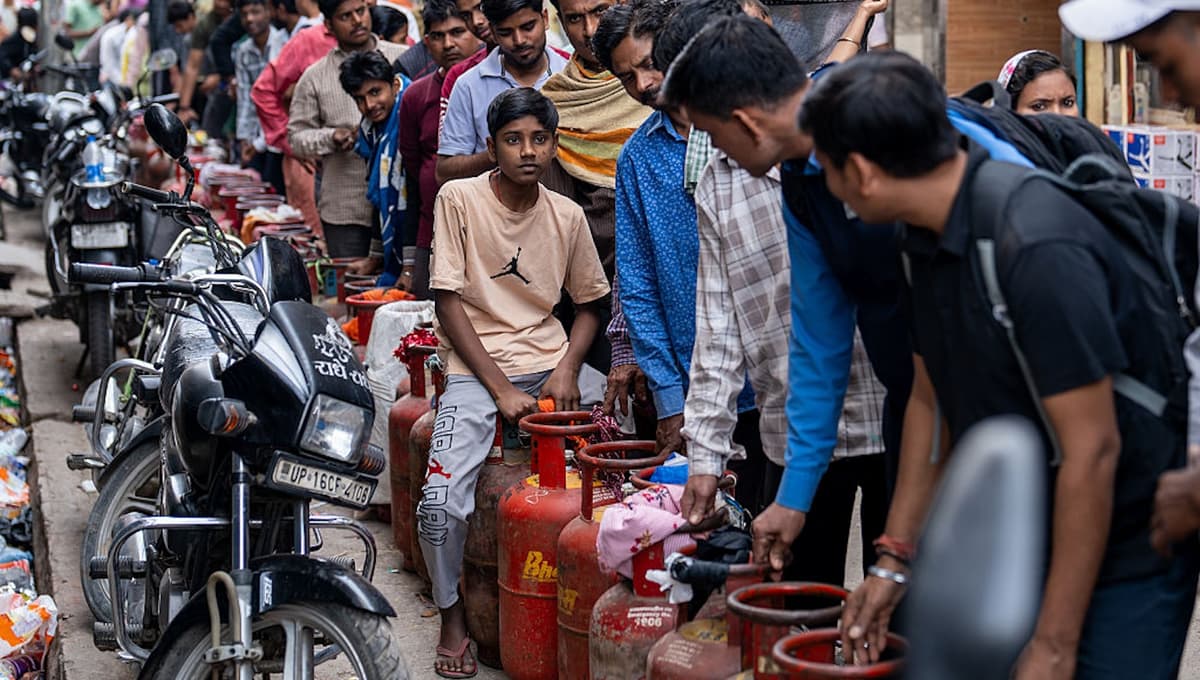
The Iran War Is Changing How Millions of People Cook — and What They Eat
Why It Matters
The disruption highlights the fragility of global energy‑linked food systems and threatens public health, nutrition and inflation across South Asia and beyond.
Key Takeaways
- •Strait of Hormuz closure cuts LPG imports to India.
- •LPG prices surged 600% in Delhi region.
- •Households revert to firewood, risking health.
- •Induction stove demand spikes, but electricity limits adoption.
- •Global food supply chains face higher costs from fuel shock.
Pulse Analysis
The Iran‑U.S. war has exposed how tightly India’s cooking‑fuel market is tied to Middle‑Eastern oil routes. With the Strait of Hormuz blocked, LPG shipments—accounting for roughly 60% of India’s supply—dropped sharply, forcing importers to scramble for alternative sources at premium prices. This bottleneck quickly translated into retail spikes, especially in northern metros where demand is highest, and ignited a scramble among retailers and black‑market operators to secure dwindling cylinder inventories.
Beyond price shocks, the shortage is reshaping everyday consumption patterns. Low‑income families, lacking the cash to buy inflated cylinders, are reverting to traditional biomass such as firewood and charcoal, re‑introducing indoor air‑pollution risks that the LPG subsidy program aimed to eliminate. Meanwhile, middle‑class households are turning to electric induction cooktops, a market segment that has seen sales double in weeks, yet the transition is hampered by unreliable grid supply and upfront costs of $20‑$30 per unit. Restaurant operators are trimming menus, dropping gas‑intensive dishes like butter chicken, and some are temporarily closing, which ripples through supply chains for spices, vegetables and labor.
The ripple effects extend to global food security. Higher energy costs inflate fertilizer prices, packaging and freight, tightening margins for farmers and food processors across Asia and Africa. Economists warn that prolonged disruptions could accelerate a shift toward renewable energy in cooking, but short‑term regressions in clean‑cooking targets are likely. Policymakers must balance immediate relief—such as strategic LPG reserves or subsidies—with longer‑term diversification of energy sources to safeguard food systems from future geopolitical shocks.
The Iran war is changing how millions of people cook — and what they eat
Comments
Want to join the conversation?
Loading comments...