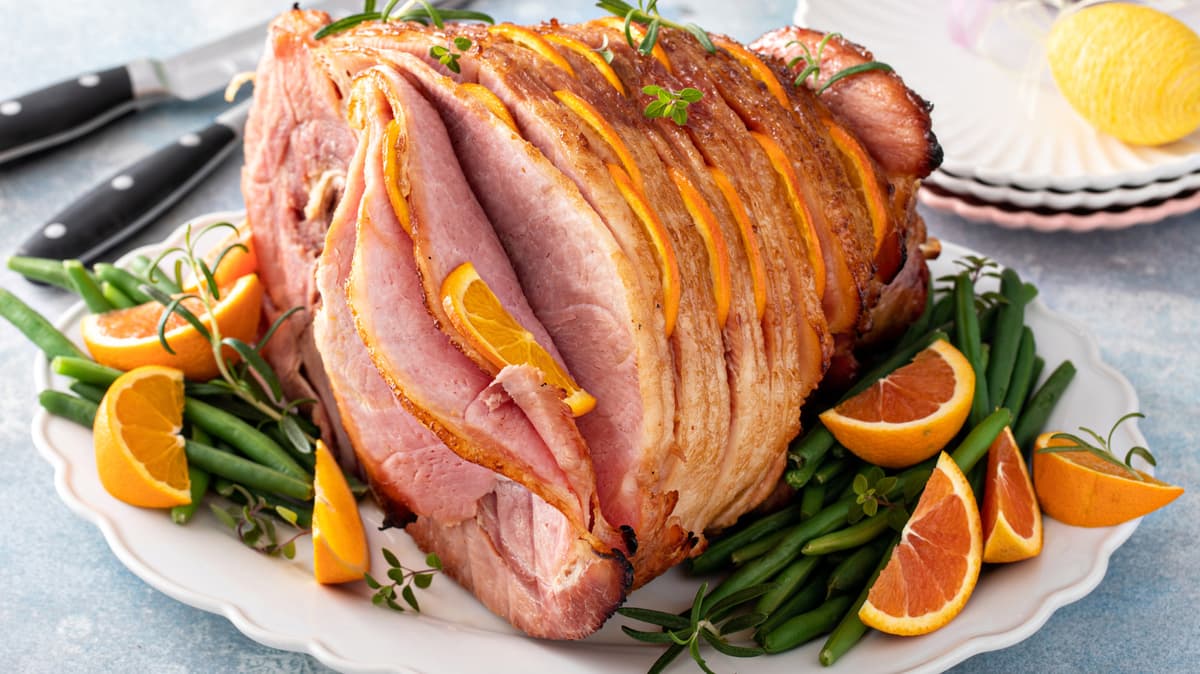
The Old-Fashioned Way To Make Baked Ham Called For This Classic Drink
•March 9, 2026
0
Why It Matters
Heritage cooking meets the booming craft‑cider market, giving restaurants a differentiated, seasonally appealing menu option. Leveraging this tradition can attract diners seeking authentic, flavorful experiences.
Key Takeaways
- •Hard cider adds sweet‑tangy flavor, tenderizes ham
- •Traditional recipe dates to 1885 Practical American Cookery
- •Two glaze methods: during bake or post‑cook
- •Southern variation uses dry‑cured country ham
Pulse Analysis
Heritage recipes are experiencing a renaissance as consumers gravitate toward authentic, story‑driven food experiences. The 1885 "Practical American Cookery" instruction to bake ham in hard apple cider taps into this trend, marrying a historic technique with today’s appetite for artisanal beverages. Hard cider, a fermented apple drink, imparts a subtle acidity and caramelized sweetness that fresh juice cannot achieve, making it an ideal medium for infusing pork with depth and moisture. This culinary crossover also aligns with the rapid growth of the craft cider sector, which has seen annual sales increase double‑digit percentages over the past decade.
For culinary operators, incorporating cider‑baked ham offers a clear point of differentiation on holiday and weekend menus. The recipe’s flexibility—whether using a basic cider bath, a post‑cook glaze, or a Southern‑style dry‑cured ham—allows chefs to tailor flavor intensity and presentation to local palates. Pairing the finished dish with a complementary hard cider, such as a crisp amber or a fruit‑infused pear blend, creates a cohesive dining narrative that can boost beverage sales and encourage cross‑selling. Moreover, the technique requires minimal equipment, making it accessible for both upscale establishments and casual eateries.
Practically, the method hinges on three key steps: searing the ham in a foil‑wrapped pan, covering it with roughly one quart of hard cider, and baking to an internal temperature of 140‑145°F. A glaze applied during cooking yields a glossy finish, while a post‑cook glaze offers a sweeter, more pronounced caramel layer. Adjusting sugar levels compensates for the cider’s drier profile, ensuring the final product balances sweet, tangy, and salty notes. By mastering these nuances, kitchens can reliably deliver a succulent, historically rooted centerpiece that resonates with modern diners.
The Old-Fashioned Way To Make Baked Ham Called For This Classic Drink
0
Comments
Want to join the conversation?
Loading comments...