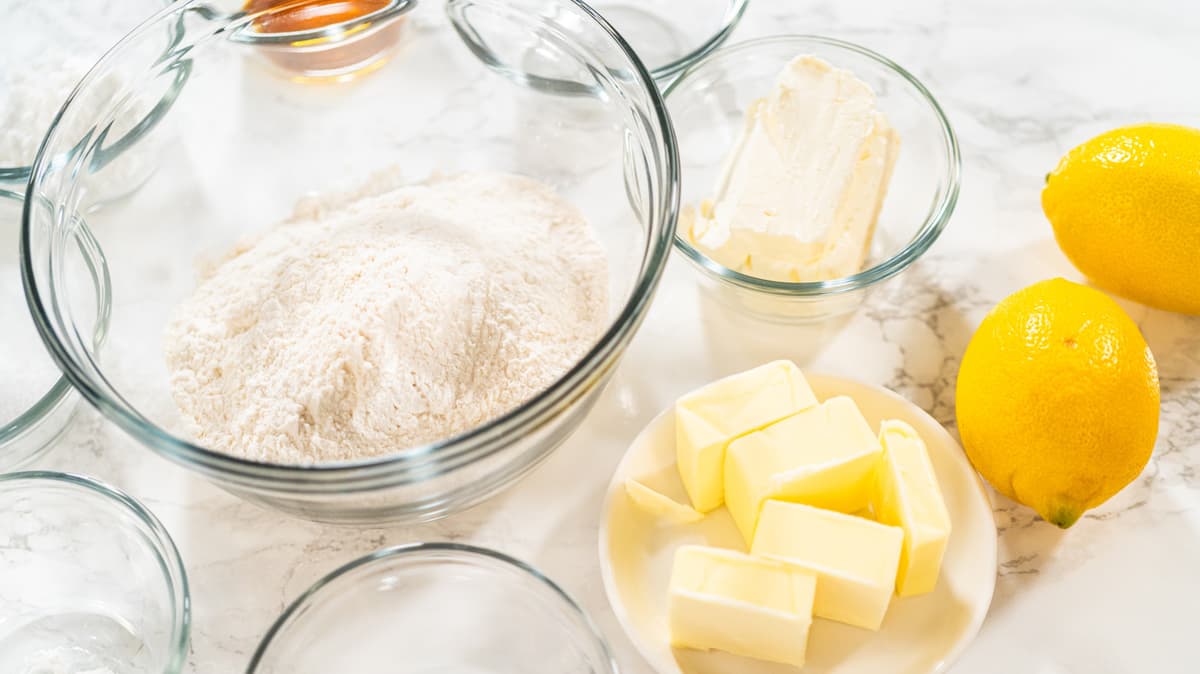
The Once-Beloved Lemon Dessert That Took Over The '60s And '70s
Why It Matters
The dessert illustrates mid‑century America’s shift toward quick, grocery‑store‑driven sweets, offering insight into evolving consumer habits and the lasting appeal of retro comfort foods.
Key Takeaways
- •Lemon lush: layered, no‑bake dessert from 1960s‑70s
- •Combines crust, cream cheese, lemon pudding, whipped topping
- •Preparation requires 5‑7 hours including chilling
- •Adaptable flavors: chocolate, banana, coconut variations
- •Reflects era’s convenience, grocery‑store ingredient desserts
Pulse Analysis
The 1960s and 1970s marked a turning point in American home cooking, as post‑war prosperity and expanding supermarket aisles encouraged a wave of convenience‑focused desserts. Consumers gravitated toward recipes that required few fresh ingredients and minimal oven time, giving rise to iconic treats like the Bundt cake, baked Alaska, and the lemon lush. This layered, no‑bake confection captured the spirit of the era by leveraging readily available items—cream cheese, instant pudding mixes, and whipped topping—while delivering a sophisticated, multi‑textured experience without the labor of traditional baking.
At its core, lemon lush is a four‑layer composition: a buttery pecan crust (often swapped for graham crackers or lemon cookies), a smooth cream‑cheese base, a tangy lemon‑pudding middle, and a light whipped‑topping crown. The recipe’s simplicity belies the patience required; after assembling, the dessert must chill for several hours, and many bakers recommend a brief freezer stint before slicing to preserve structural integrity. This methodical setting period not only solidifies the layers but also allows flavors to meld, creating a cohesive palate that balances richness with citrus brightness. Regional influences are evident in the crust’s nutty profile, hinting at Southern culinary roots while remaining adaptable to nationwide tastes.
In recent years, the lemon lush has experienced a nostalgic resurgence among food enthusiasts seeking retro comfort foods with a modern twist. Social media platforms showcase creative variations—chocolate, banana, or coconut‑infused puddings—while home cooks experiment with gluten‑free crusts and plant‑based whipped toppings to meet contemporary dietary preferences. This revival underscores a broader trend: the reinterpretation of classic dishes to fit today’s health‑conscious and ingredient‑savvy market, proving that a dessert born in the era of convenience can still captivate palates and inspire culinary innovation.
The Once-Beloved Lemon Dessert That Took Over The '60s And '70s
Comments
Want to join the conversation?
Loading comments...