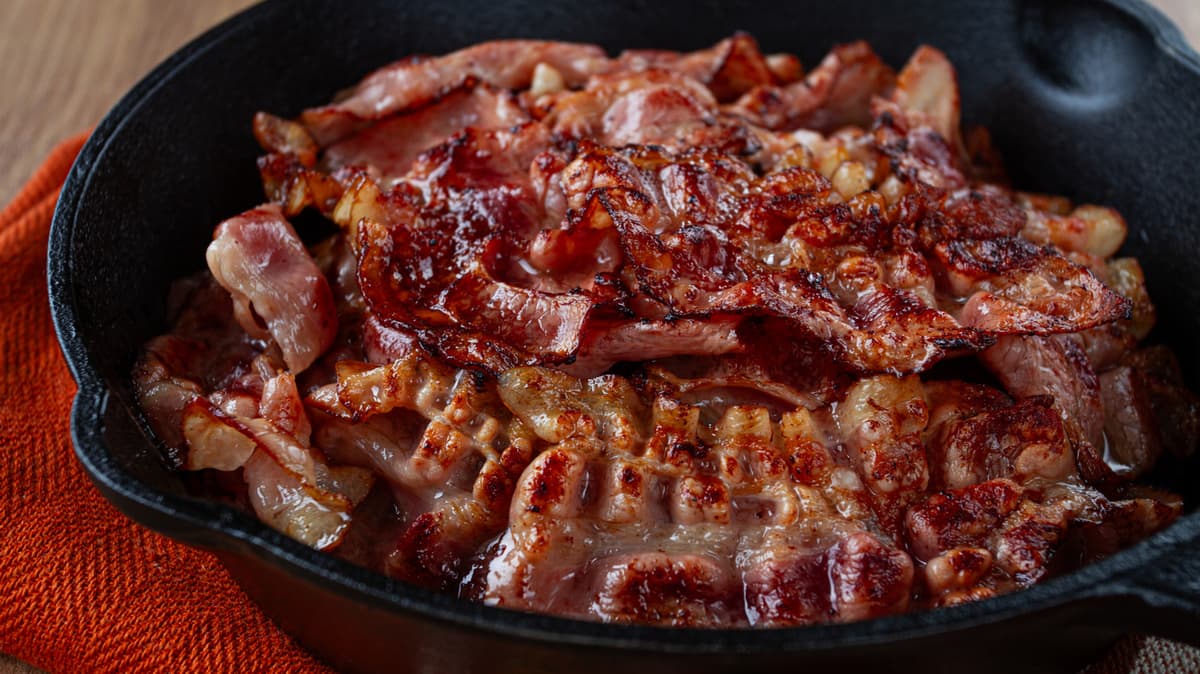
The Pan Cleaning Technique For Easy Bacon Grease Removal
•March 8, 2026
0
Why It Matters
Efficient grease removal saves time, protects cookware longevity, and avoids costly plumbing repairs, making kitchens more sustainable and cost‑effective.
Key Takeaways
- •Baking soda and lemon juice cut stubborn bacon grease.
- •Paste sits 20 minutes before scrubbing.
- •Use steel wool only on stainless steel pans.
- •Avoid steel wool on non‑stick surfaces.
- •Salt scrub works for cast‑iron seasoning.
Pulse Analysis
Bacon’s rich flavor comes with a hidden cost: greasy residue that solidifies and clings to cookware. Because grease is hydrophobic, traditional rinsing merely spreads the film, leading to buildup on pans, backsplashes, and even plumbing. Home cooks who neglect proper cleanup risk lingering odors, rust, and clogged drains, which can translate into higher maintenance expenses and reduced kitchen efficiency. Understanding the chemistry behind grease adhesion helps homeowners choose proactive solutions rather than reactive scrubbing.
The baking soda‑lemon juice combo leverages a mild alkaline abrasive and a natural acid to dissolve fat. When mixed, the ingredients fizz, loosening polymerized grease molecules and creating a slurry that lifts grime without harsh chemicals. A 20‑minute resting period allows the reaction to penetrate hardened spots, after which warm water and appropriate scrubbers finish the job. For those without lemons, vinegar offers a comparable acidic partner, while the alkaline nature of baking soda remains the constant grease‑breaking agent.
Pan material dictates the safest abrasive. Stainless steel tolerates steel wool, but the same tool can scar non‑stick coatings, prompting the use of nylon scourers or microfiber cloths. Cast‑iron enthusiasts favor coarse kosher salt to preserve seasoning while removing residue, followed by a light oil rub to prevent rust. Beyond cleaning, proper grease disposal—cooling, straining, and storing for later culinary use or discarding in the trash—protects plumbing and aligns with sustainable kitchen practices. Mastering these techniques extends cookware life, reduces waste, and keeps the cooking environment pristine.
The Pan Cleaning Technique For Easy Bacon Grease Removal
0
Comments
Want to join the conversation?
Loading comments...