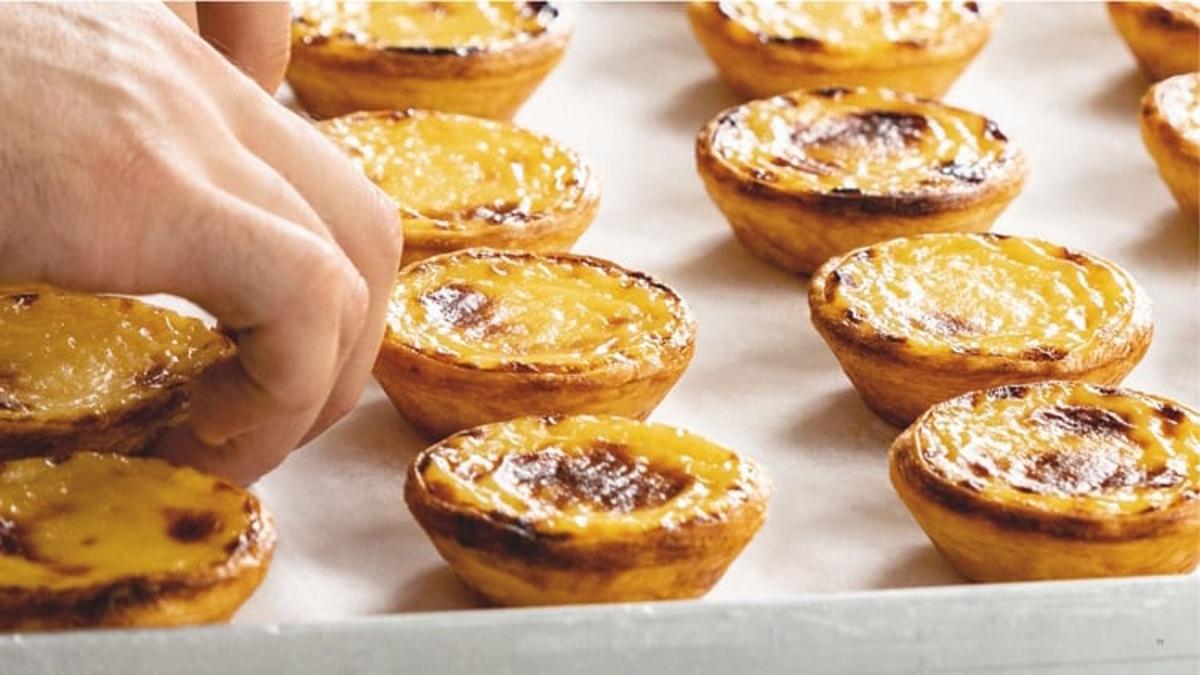
The Portuguese Tartlet That’s Conquering the World
Companies Mentioned
Why It Matters
The rapid scaling of pastel de nata offers bakery operators a high‑margin, low‑complexity product that can capture premium‑price consumers worldwide, while opening new growth avenues in fast‑expanding Asian markets.
Key Takeaways
- •Santa Nata sold 10 million pastel de nata since 2019.
- •Chain expanding to Hong Kong, marking first overseas store.
- •Pastel de nata now in UK supermarkets, US cafés, Australian supermarkets.
- •Asia, especially Hong Kong, seen as next major growth market.
- •Tart uses cheap ingredients yet sells for about $3.75 each.
Pulse Analysis
The pastel de nata, a caramelised custard tart born in 19th‑century Lisbon, has undergone a remarkable transformation over the past decade. What was once a niche offering in Portuguese cafés is now a fixture in London coffee shops, US bakery aisles and Australian supermarkets. Santa Nata’s milestone of 10 million units sold since its 2019 launch underscores the speed of adoption, while its first overseas store in Hong Kong signals a deliberate push into markets where egg‑tart culture already exists. This heritage‑driven appeal is fueling a broader consumer appetite for authentic, photogenic pastries.
From a business perspective, the tart’s formula is unusually attractive. Core ingredients—flour, eggs, sugar, butter and milk—are inexpensive, yet the finished product commands an average retail price of about $3.75, positioning it as an ‘affordable luxury.’ The single‑product focus simplifies operations, reduces waste and enables rapid replication across fresh‑bakery, frozen‑bake‑off and food‑service channels. Retail giants such as Lidl and specialty chains have already integrated the tart into their portfolios, and Asian operators are eyeing the format as a premium‑yet‑accessible addition to booming café cultures.
The macro‑bakery landscape reinforces the opportunity. Mordor Intelligence forecasts the global pastries market to rise from $43.8 bn in 2026 to $53 bn by 2031, while the frozen bakery segment is expected to exceed $36 bn by 2034. Pastel de nata’s versatility across multiple distribution channels makes it a strategic fit for these growth trajectories. However, scaling the product without diluting its artisanal heritage remains a challenge; manufacturers must balance mass production with the handcrafted image that drives consumer demand. If managed well, the tart could become a cornerstone of next‑generation bakery portfolios worldwide.
The Portuguese tartlet that’s conquering the world
Comments
Want to join the conversation?
Loading comments...