Why It Matters
Proper ingredient sequencing maximizes flavor extraction and texture, enhancing the overall hot‑pot experience and reducing waste. Restaurants that train staff on these timings can deliver consistent quality and faster table turnover.
Key Takeaways
- •Root vegetables go first for longest cooking time
- •Seafood adds natural sweetness to the broth
- •Thin proteins cook quickly; remove to avoid rubberiness
- •Noodles added last prevent broth over‑absorption
Pulse Analysis
Hot pot dining is as much about timing as it is about flavor. By introducing ingredients in a deliberate order, cooks allow each component to contribute its unique taste profile to the simmering broth. Root vegetables such as potatoes and carrots, which require the most heat exposure, are added first to release starches and deepen the soup’s body. As the broth builds, starchy veg like yams thicken it further, while seafood and meatballs soak up the evolving flavors, creating a layered palate that would be impossible with a haphazard approach.
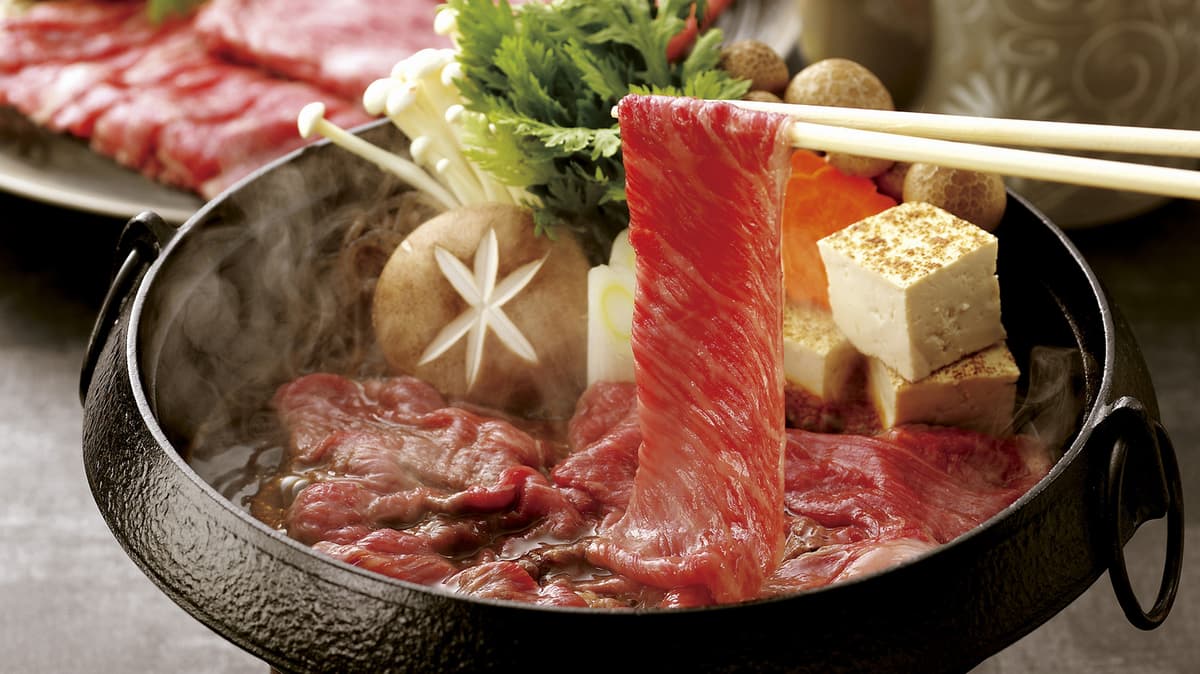
Understanding the specific cook times for each ingredient is crucial for texture integrity. Leafy greens need only 30 seconds to retain crispness, whereas mushrooms vary: enoki wilt in half a minute, but shiitake benefit from a three‑minute dip. Thinly sliced proteins—beef, pork, or fish—reach perfect doneness within two minutes; removing them promptly prevents the rubbery texture that can ruin a bite. Conversely, shellfish such as shrimp and mussels require up to ten minutes, signaling readiness when shells open or flesh turns opaque. This precision ensures every bite delivers the intended mouthfeel and nutritional value.
For both home enthusiasts and commercial kitchens, mastering the hot‑pot sequence translates into operational efficiency and guest satisfaction. Diners appreciate the rhythm of adding items, which creates an interactive, communal experience while minimizing overcooked or soggy components. Restaurants that standardize these timing guidelines can streamline service, reduce ingredient waste, and maintain a consistently flavorful broth throughout the meal. Home cooks, meanwhile, gain confidence by following a clear roadmap, turning a potentially chaotic pot into a harmonious, restaurant‑quality feast.
The Proper Order For Cooking Ingredients In A Hot Pot
Comments
Want to join the conversation?
Loading comments...