The Resy Hit List: Where In D.C. You’ll Want to Eat Right Now
Why It Matters
The list underscores Washington’s evolving food scene, signaling strong demand for innovative, culturally‑rich dining that attracts both locals and tourists, and informs investors about emerging market opportunities.
Key Takeaways
- •Maison blends French fine dining with natural wine selection
- •Poplar offers weekly prix‑fixe menu emphasizing hyper‑local ingredients
- •Purple Patch elevates Filipino cuisine with modern brunch twists
- •Maru San introduces Nikkei tasting experience to Washington, D.C.
- •Dōgon honors African diaspora through innovative seafood dishes
Pulse Analysis
Washington, D.C.’s restaurant landscape is entering a period of rapid diversification, and Resy’s March 2026 Hit List serves as a barometer for the city’s culinary pulse. From historic Adams Morgan townhouses to sleek Union Market spaces, the featured venues illustrate how restaurateurs are leveraging location, design, and narrative to capture diners’ attention. The inclusion of high‑profile chefs like Kwame Onwuachi and Matt Conroy signals that the capital is now a proving ground for talent traditionally anchored in New York or San Francisco, expanding the city’s reputation as a national food destination.
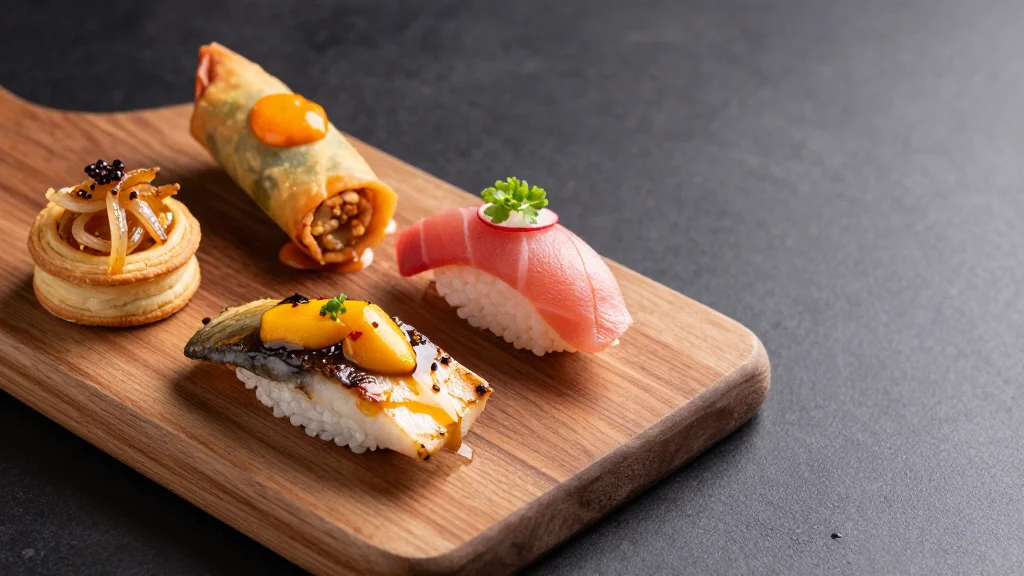
A clear trend emerging from the list is the emphasis on hyper‑local sourcing and experiential formats. Poplar’s weekly prix‑fixe menu, anchored by foraged mushrooms and regional pork, reflects a broader consumer shift toward transparency and sustainability. Meanwhile, concepts such as Maru San’s nightly 15‑course Nikkei tasting and Dirty Habit’s climate‑controlled courtyard illustrate how immersive dining experiences are becoming a differentiator in a crowded market. Fusion and heritage cuisines—Filipino at Purple Patch, Korean‑American at Mandu, and Indian‑Middle Eastern at KARRAVAAN—are also gaining traction, catering to a multicultural clientele seeking both authenticity and innovation.
For investors and industry stakeholders, the Hit List highlights lucrative opportunities across the value chain. Mid‑scale concepts like Poplar demonstrate scalable profitability with modest ticket prices, while high‑end venues such as Maison and Dōgon command premium pricing and media buzz. The proliferation of specialty bars and hybrid spaces, exemplified by Metrobar’s transit‑themed design, suggests ancillary revenue streams from beverage programs and event hosting. As D.C.’s dining ecosystem continues to mature, operators that blend cultural storytelling with sustainable practices are poised to capture market share and drive the city’s gastronomic growth.
The Resy Hit List: Where In D.C. You’ll Want to Eat Right Now
Comments
Want to join the conversation?
Loading comments...