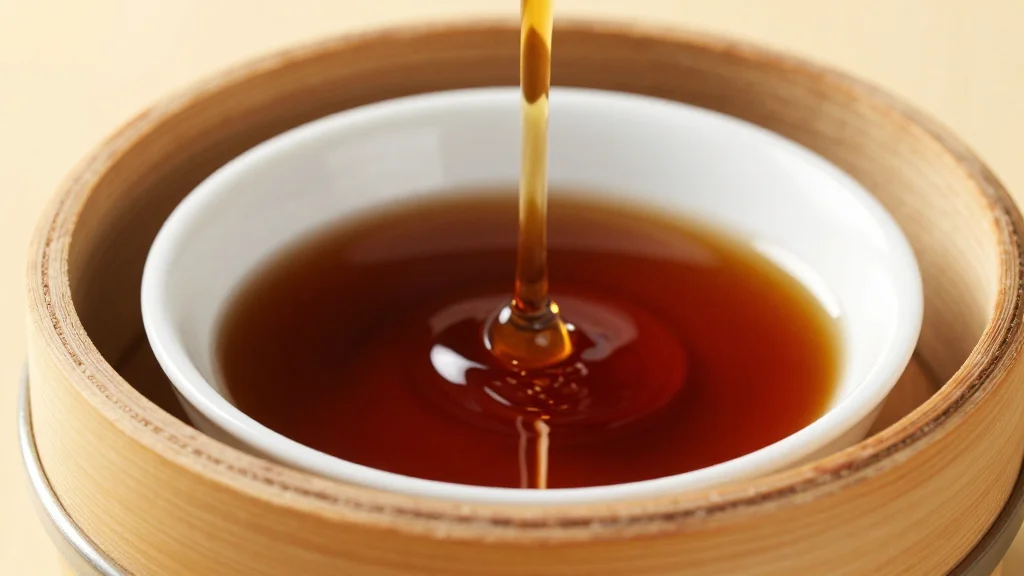
The Secret Techniques of a 150-Year-Old Soy Sauce Maker
Why It Matters
The millennial‑aged method differentiates the product in a crowded premium condiment market and safeguards intangible cultural heritage that could otherwise be lost to industrialization.
Key Takeaways
- •Yamamoto's soy sauce ferments in wooden vats for four years.
- •Wooden barrels introduce unique microorganisms that enhance umami flavor.
- •The business has operated continuously for over 150 years on Shodoshima.
- •Limited production creates scarcity, appealing to high‑end food markets.
- •Traditional method resists automation, preserving cultural craftsmanship.
Pulse Analysis
Japan’s soy sauce legacy stretches back centuries, but only a handful of producers still employ the labor‑intensive wooden‑barrel fermentation that defines the classic umami depth. Unlike modern stainless‑steel tanks, the porous wood hosts a micro‑ecosystem of yeasts and bacteria that slowly break down soybeans and wheat, creating nuanced flavor compounds. This natural biodynamics, coupled with a four‑year aging cycle, yields a condiment that commands respect among chefs and connoisseurs alike, reinforcing the cultural narrative of terroir in Japanese cuisine.
In today’s premium food landscape, consumers increasingly seek authenticity and story‑driven products. Yamamoto’s single‑handed operation taps that demand, offering a scarce, high‑quality soy sauce that can justify premium pricing in upscale restaurants and specialty retailers. The artisanal approach also aligns with sustainability trends; the wooden vats are reusable, and the slow fermentation reduces reliance on energy‑intensive processes. However, scaling such a method is challenging, limiting output and making distribution largely regional, which in turn fuels its exclusivity.
Looking forward, the preservation of this 150‑year‑old technique could inspire a resurgence of traditional fermentation across other Japanese condiments. As global palates grow more adventurous, there is potential for export growth, especially in markets that value culinary heritage. Partnerships with culinary schools and heritage tourism initiatives could further cement Yamaroku’s role as a living museum, ensuring that the knowledge passes to future generations while contributing to Japan’s soft power through food culture.
The Secret Techniques of a 150-Year-Old Soy Sauce Maker
Comments
Want to join the conversation?
Loading comments...