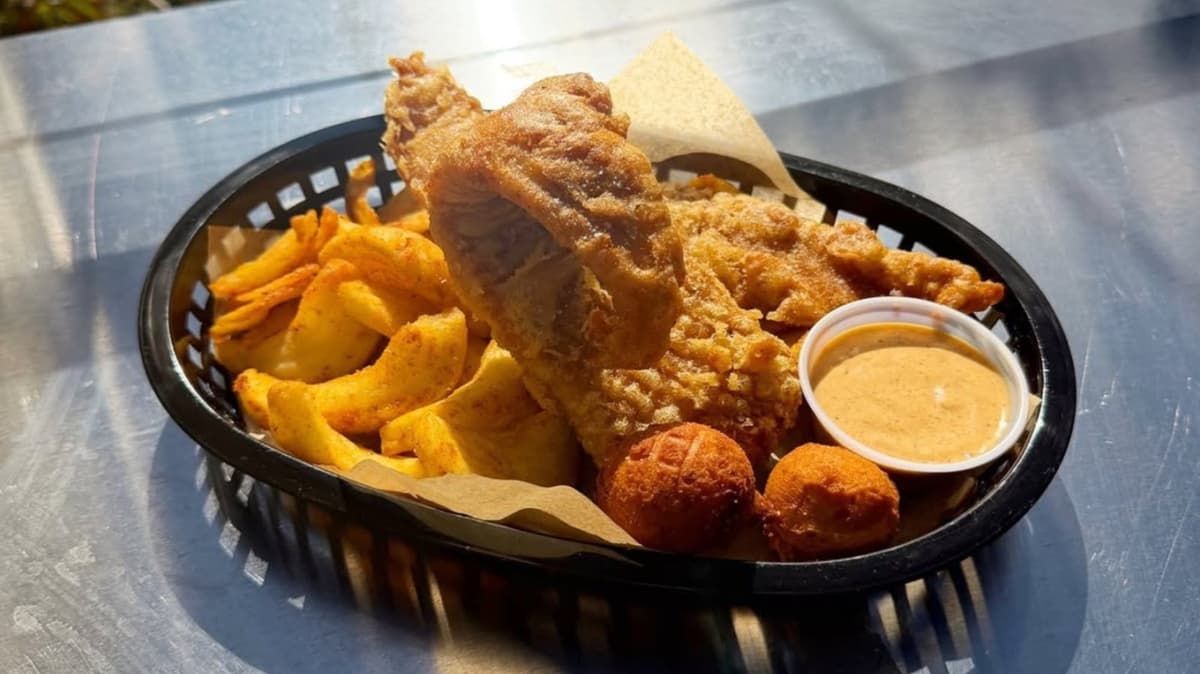
The Southern Fish-Fry Spot Determined To Keep Old-School North Carolina Traditions Alive
Why It Matters
The concept revives a fading regional culinary heritage while tapping into consumer demand for authentic, locally rooted food experiences, boosting the local economy and cultural tourism.
Key Takeaways
- •Chef Ashleigh Shanti, Top Chef alum, launched Good Hot Fish.
- •Menu changes seasonally, highlighting Black Appalachian and local ingredients.
- •Signature fish sandwich praised for crunchy batter and tender flesh.
- •Offers customizable fish coatings and Southern sides like red peas.
Pulse Analysis
The resurgence of North Carolina’s fish‑camp culture reflects a broader national appetite for heritage dining. Historically, fish camps served as informal gathering places where affordable fried seafood fostered community bonds. Good Hot Fish taps into this nostalgia, yet modernizes it with a curated, seasonal menu that showcases ingredients found only in the Appalachian foothills. By foregrounding Black culinary traditions—often underrepresented in mainstream Southern cuisine—the restaurant not only differentiates itself but also contributes to a more inclusive narrative of Southern food history.
Chef Ashleigh Shanti’s background on season 19 of Top Chef provides the brand with a credibility boost that attracts food‑enthusiasts beyond the local market. Her emphasis on simplicity—letting technique and ingredient quality speak—aligns with current consumer trends favoring transparency and authenticity. The fish sandwich, praised for its perfectly seasoned batter and tender fillet, exemplifies how a single, well‑executed item can become a flagship draw, driving foot traffic and online buzz. The ability to choose between battered, breaded, or blackened coatings adds a customizable element that appeals to diverse palates while maintaining the core Southern fried‑fish experience.
Beyond the plate, Good Hot Fish serves as an economic catalyst for the Asheville area. By sourcing produce such as Sea Island red peas and locally made mac and cheese, the restaurant supports regional farmers and artisans, creating a ripple effect throughout the supply chain. Its community‑centric vibe encourages repeat visits and word‑of‑mouth referrals, essential for independent eateries competing with national chains. As more diners seek immersive, story‑driven meals, establishments like Good Hot Fish illustrate how preserving culinary heritage can simultaneously drive growth and enrich the cultural fabric of a city.
The Southern Fish-Fry Spot Determined To Keep Old-School North Carolina Traditions Alive
Comments
Want to join the conversation?
Loading comments...