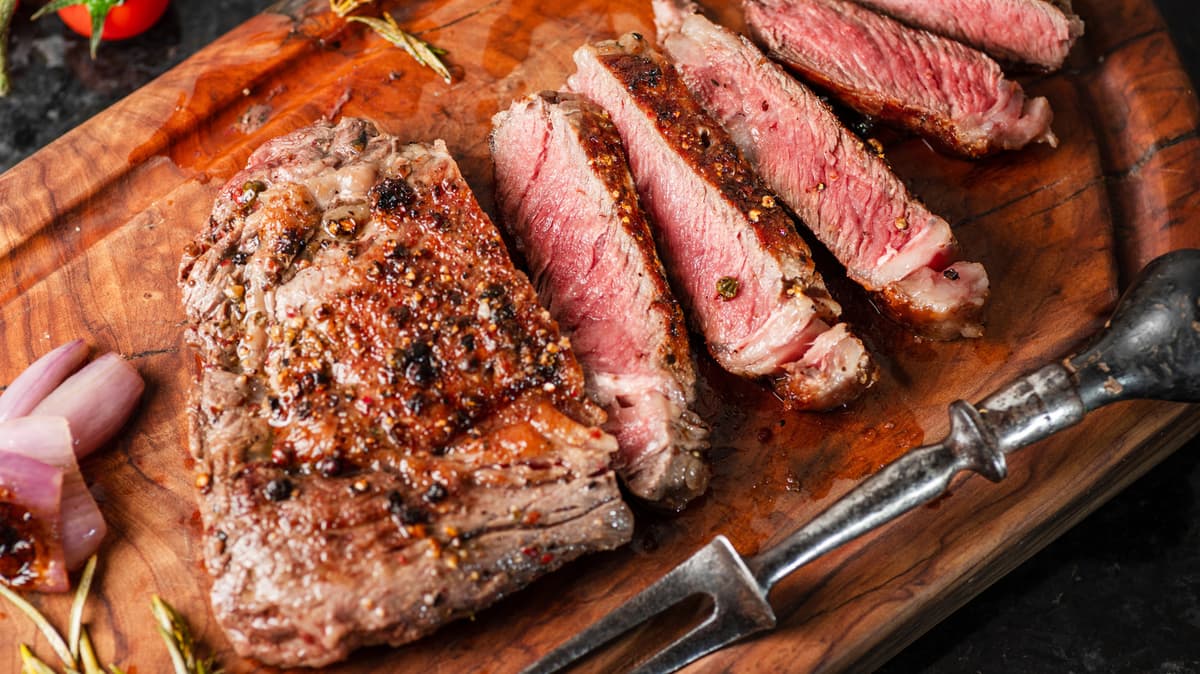
The Steak Cut You've Probably Had But Never Ordered On Its Own (Here's How To Do It)
Why It Matters
The ribeye cap’s rarity and superior flavor make it a high‑margin item for upscale restaurants and a coveted specialty cut for discerning home chefs, driving both culinary trends and premium pricing.
Key Takeaways
- •Ribeye cap (spinalis) is a distinct, highly marbled steak cut.
- •It offers tenderness rivaling filet mignon with richer beef flavor.
- •Prices can reach $64 per 8‑ounce Wagyu cap, reflecting rarity.
- •Best cooked high‑heat, medium‑rare, 130‑135 °F internal temperature.
- •Home chefs can season simply or use butter basting for restaurant quality
Pulse Analysis
The ribeye cap, also known as the spinalis dorsi or deckle, is the thin, highly marbled muscle that wraps around the eye of a ribeye steak. Because it sits atop the most prized portion of the ribeye, the cap inherits the steak’s rich intramuscular fat while adding a buttery, melt‑in‑your‑mouth texture that many chefs compare to the tenderness of a filet mignon. Its distinctive grain and intense umami make it a standout cut for diners seeking both flavor and luxury in a single bite.
Because the cap is separated from the ribeye during butchering, it is less abundant than the standard steak and commands a premium price. High‑end steakhouses now list the ribeye cap as a standalone entrée, often charging $30‑$60 for an 8‑ounce portion, while Wagyu versions can top $64 per serving. Specialty butcher shops also sell the whole 16‑inch muscle, rolled or tied for easy cooking. This scarcity has turned the cap into a status symbol among food enthusiasts, driving demand for both restaurant and home‑cooked experiences.
Cooking the ribeye cap correctly is essential to preserve its delicate texture. Chefs recommend a high‑heat sear—either on a charcoal grill or a cast‑iron skillet—followed by a brief oven finish or reverse‑sear to reach an internal temperature of 130‑135 °F for medium‑rare. Simple seasoning with salt and pepper lets the natural beef flavor shine, while butter basting, garlic‑herb compound butter, or a mushroom‑onion sauce can elevate the dish to restaurant quality. Creative applications include Cajun‑spiced caps for sandwiches or topping ramen, expanding the cut’s versatility beyond traditional steak plates.
The Steak Cut You've Probably Had But Never Ordered On Its Own (Here's How To Do It)
Comments
Want to join the conversation?
Loading comments...