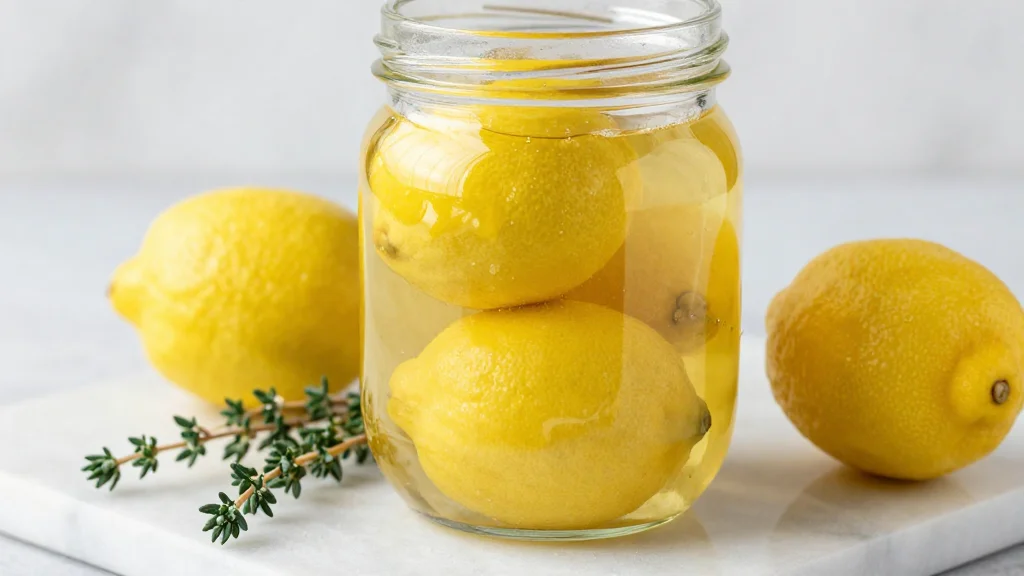
The Superpowered Lemons We Use When Fresh Lemon Isn’t Enough
Why It Matters
The ingredient offers a powerful flavor boost with minimal effort, letting chefs and home cooks replace multiple seasonings and extend shelf life, driving demand for both DIY kits and commercial products.
Key Takeaways
- •Preserved lemons are lemons cured in salt brine for weeks
- •Fermentation softens rind, creating salty‑tart, umami‑rich flavor
- •All parts except seeds are edible; peel offers most intense citrus
- •Rinse before use and reduce added salt in recipes
Pulse Analysis
Preserved lemons have moved from niche market stalls to mainstream pantry shelves, reflecting a broader consumer appetite for bold, fermented flavors. Originating in Moroccan tagines, the ingredient now appears in upscale restaurant menus across the United States, prompting grocery chains to allocate shelf space for imported jars and encouraging startups to launch ready‑to‑use kits. This cultural migration is fueled by food‑media exposure and a growing interest in low‑effort, high‑impact seasonings that can elevate everyday dishes without adding extra prep time.
The chemistry behind the transformation is simple yet powerful: salt draws moisture from the lemon flesh while the acidic environment breaks down cell walls, softening the rind and releasing volatile oils. The result is a complex profile that balances tartness, salinity, and umami, making it a versatile substitute for lemon zest, vinegar, or even soy sauce in certain applications. Nutritionists note that the fermentation process can increase beneficial microbes, though the high sodium content means it should be used judiciously. Home cooks appreciate the long shelf life—up to six months refrigerated—allowing them to keep a jar on hand for quick flavor lifts in soups, dressings, and marinades.
Commercially, the rise of preserved lemons opens opportunities for both producers and retailers. Small‑batch artisans can differentiate by adding regional spices such as cumin or dried chilies, while larger brands leverage economies of scale to offer affordable, consistent products. Online marketplaces have expanded access, enabling consumers in non‑metropolitan areas to purchase authentic jars directly from Mediterranean suppliers. As chefs continue to experiment with hybrid dishes, the demand for this super‑charged citrus is likely to keep growing, making it a strategic addition to any food‑service or retail portfolio.
The Superpowered Lemons We Use When Fresh Lemon Isn’t Enough
Comments
Want to join the conversation?
Loading comments...