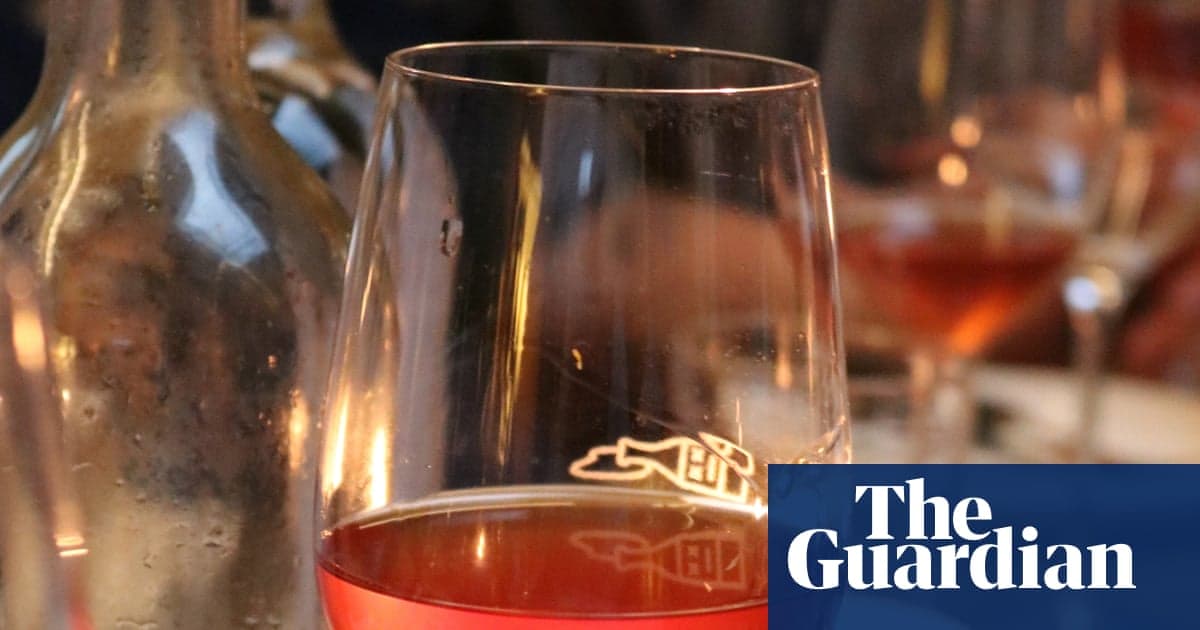
The Surprising Boom in Blouge Wine: ‘It’s for 5pm, in the Sun’
Why It Matters
Blouge signals a broader shift toward lower‑alcohol, natural wines that cater to health‑aware millennials, opening new revenue streams for boutique producers and importers. Its rapid adoption reshapes bar menus and challenges traditional wine‑making conventions.
Key Takeaways
- •Blouge blends white and red grapes, served chilled at 5 pm.
- •Lower alcohol (≈10.7%) appeals to health‑conscious younger drinkers.
- •Aubert et Mathieu sold 20k bottles in 2023, targeting 30k by 2026.
- •Natural‑wine bars in UK and US driving demand for innovative blends.
- •Prices range £10–£49 (~$13–$63), with limited‑edition releases gaining export interest.
Pulse Analysis
The rise of blouge reflects the natural‑wine movement’s evolution from niche orange wines to inventive co‑ferments that blur traditional color categories. Winemakers like Konrad Pixner in Languedoc and Lucas Madonia in Valais discovered that mixing white carignan blanc with red carignan noir, or chasselas with gamay, creates a crisp, aromatic wine that thrives when served chilled. By forgoing sulphites and additives, these producers deliver a product that feels authentic and environmentally responsible, resonating with consumers who value transparency and terroir.
Market data shows that blouge is quickly moving beyond experimental cellars into mainstream retail. In the UK, natural‑wine bars such as Wright Wines and Dan’s in Dalston report strong sales among 30‑ to 40‑year‑olds who seek a “juicy, fresh” alternative to traditional reds. Aubert et Mathieu’s BoogieWoogie sold 20,000 bottles in 2023 and aims for 30,000 by 2026, while import‑focused labels like Bobo Wines price their 2.25 L bottles at £49 (≈$63). Swiss‑origin blouge imports reach London in April at £40 (≈$51) per bottle, and even limited‑run French releases at €13 (≈$14) are attracting New York importers, underscoring the style’s export potential.
For the broader wine industry, blouge’s popularity signals a pivot toward lighter, lower‑alcohol offerings that align with shifting consumer habits—think chilled drinks after work, akin to a craft‑beer experience. Bars and retailers can differentiate their portfolios by featuring blouge alongside orange and pét‑nat wines, tapping into the “fun” descriptors that younger patrons love. Producers who adopt minimal‑intervention techniques and experiment with co‑fermentation stand to capture a growing slice of the market, while larger houses may need to reconsider rigid red‑white classifications to stay relevant in an increasingly fluid wine landscape.
The surprising boom in blouge wine: ‘It’s for 5pm, in the sun’
Comments
Want to join the conversation?
Loading comments...