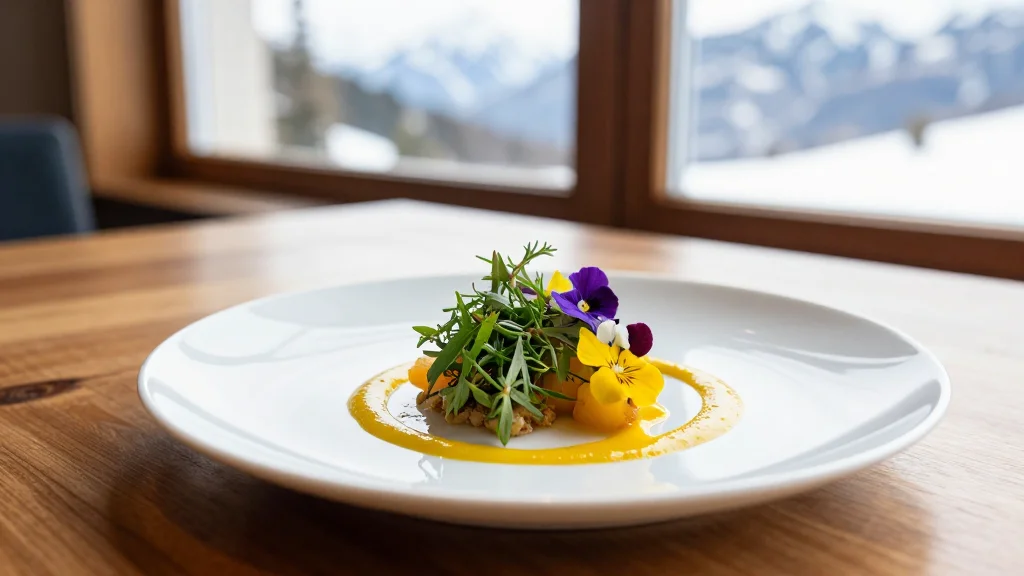
The Tasting Room at Villa Eden Sets Sights on First Michelin Star in South Tyrol

Companies Mentioned
Why It Matters
The pursuit of a Michelin star by The Tasting Room underscores a shifting dynamic in Italy’s fine‑dining landscape, where small, terroir‑driven concepts can compete with traditional, larger establishments. A star would not only elevate Villa Eden’s brand but also spotlight the Alpine supply chain, potentially driving higher prices and greater investment in sustainable farming practices across South Tyrol. Additionally, the restaurant’s blend of Mediterranean and Asian influences reflects a broader consumer appetite for cross‑cultural gastronomy, signaling that future culinary accolades may reward innovative hybridity as much as classic regional purity. Beyond the immediate prestige, a Michelin star could catalyze tourism to the region, encouraging visitors to seek out other boutique experiences that prioritize local biodiversity and health‑centric menus. This ripple effect may inspire a new generation of chefs to adopt similar sourcing philosophies, reinforcing a virtuous cycle of quality, sustainability, and economic growth for the Alpine food ecosystem.
Key Takeaways
- •The Tasting Room, Villa Eden’s four‑seat restaurant in South Tyrol, is aiming for its first Michelin star.
- •Executive Chef Marcello Corrado blends Alpine ingredients with Mediterranean and Asian flavors.
- •Owner Angelika Schmid emphasizes health, sustainability, and local biodiversity in the restaurant’s concept.
- •A Michelin star would make The Tasting Room one of the few ultra‑intimate venues in Italy to earn the accolade.
- •Success could boost regional tourism and elevate South Tyrolean producers on the global stage.
Pulse Analysis
The Michelin star chase by The Tasting Room reflects a broader democratization of culinary prestige. Historically, Michelin has favored larger, city‑centered establishments, but recent guide expansions into niche regions have opened doors for hyper‑local concepts. Villa Eden’s model—four tables, a holistic menu, and a supply chain anchored in Alpine farms—mirrors the success of other micro‑restaurants that have earned stars by delivering flawless execution at a minute scale. This trend suggests that Michelin’s criteria are increasingly rewarding depth of terroir and narrative coherence over sheer capacity.
From a market perspective, a star would likely trigger a premium pricing strategy for Villa Eden’s retreat packages and its ancillary dining concepts, such as the health‑focused EDEN’S PARK RESTAURANT. The ripple effect could see local producers negotiating higher contracts, investing in organic certifications, and expanding distribution beyond regional borders. Competitors in the Trentino‑Alto Adige area may accelerate their own sustainability initiatives to stay relevant, potentially leading to a regional culinary renaissance anchored in biodiversity and wellness.
Looking ahead, the key risk for The Tasting Room lies in balancing exclusivity with scalability. While a Michelin star can attract a flood of reservations, the four‑seat format limits revenue growth, forcing the owners to rely on ancillary income streams—luxury lodging, wellness programs, and high‑margin tasting experiences. Their ability to maintain consistency under heightened demand will be the ultimate test of whether the star translates into lasting commercial success or remains a symbolic accolade.
The Tasting Room at Villa Eden Sets Sights on First Michelin Star in South Tyrol
Comments
Want to join the conversation?
Loading comments...