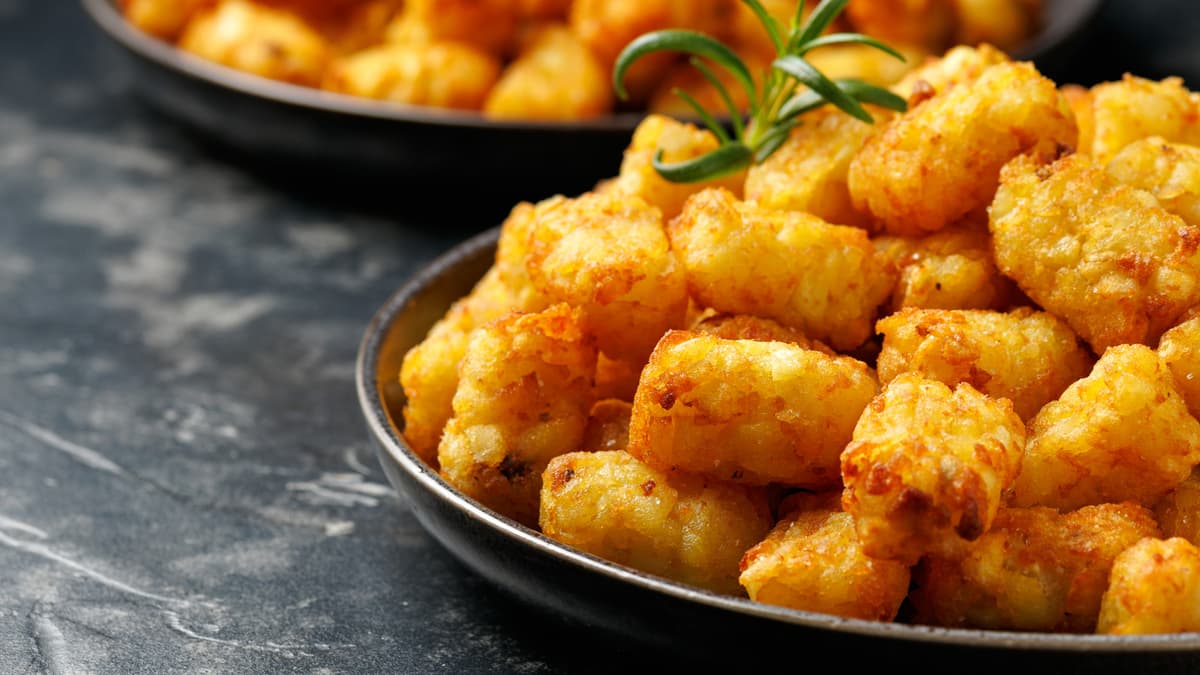
The Underhanded Bribe That Made Tater Tots A Breakfast Staple
Why It Matters
The story illustrates how a simple product‑byproduct can become a national brand through strategic sampling, branding, and price positioning, offering a blueprint for food innovators and startups.
Key Takeaways
- •Ore‑Ida turned potato scraps into the first tater tots
- •A chef was bribed to showcase tots at a 1954 hotel breakfast
- •Positive tasting experience drove demand and validated the concept
- •Trademarking the catchy name boosted brand recognition
- •Proper pricing corrected consumer perception and accelerated sales
Pulse Analysis
The tater‑tot saga is a textbook case of turning agricultural waste into a profitable consumer product. In the early 1950s, Ore‑Ida’s founders harvested leftover potato pieces that would otherwise be discarded, grinding them into bite‑size nuggets. This waste‑reduction approach not only lowered raw‑material costs but also aligned with emerging post‑war consumer trends that favored convenience and novelty. By repurposing scraps, the company created a new snack category that resonated with a market hungry for affordable, easy‑to‑prepare foods.
The breakthrough moment came when Francis Nephi Grigg covertly delivered a bag of tots to the Fontainebleau Hotel during the National Potato Convention. Lacking formal arrangements, he resorted to a modest bribe to persuade the chef to serve the fried morsels. The immediate, enthusiastic response demonstrated the power of experiential marketing: a single tasting session turned skeptical industry insiders into advocates. Moreover, the Griggs learned a crucial pricing lesson—initially low prices made consumers doubt quality, but a modest price increase signaled value and spurred repeat purchases.
Decades later, tater tots have transcended their humble origins to become a cultural staple, appearing on breakfast plates, in nacho‑style appetizers, and even inspiring a dedicated festival in their hometown. Ore‑Ida’s ownership of the trademark underscores the importance of protecting brand equity, while the product’s ubiquity illustrates how a well‑executed naming strategy can embed a brand into everyday language. For modern entrepreneurs, the tater‑tot narrative reinforces three takeaways: leverage byproducts for cost‑effective innovation, use targeted sampling to generate buzz, and price strategically to shape consumer perception.
The Underhanded Bribe That Made Tater Tots A Breakfast Staple
Comments
Want to join the conversation?
Loading comments...