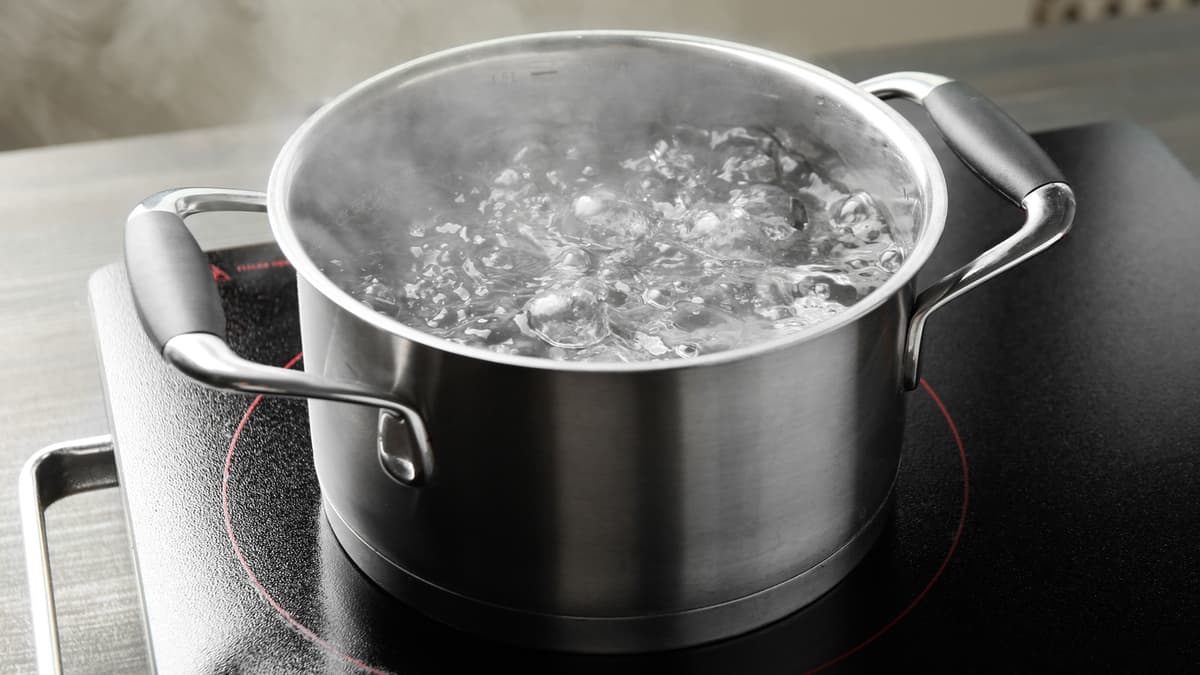
The Water You Cook With Could Be Affecting How Your Food Turns Out. Here's Why
Why It Matters
Water pH directly affects food quality, so controlling it lets chefs and home cooks fine‑tune flavor and texture, reducing waste and improving consistency. This insight also drives demand for simple testing tools and water‑treatment solutions in the food industry.
Key Takeaways
- •Tap water pH typically ranges 6.5‑8.5, often slightly alkaline
- •Alkaline water makes pasta stickier and rice chewier
- •Acidic water keeps green vegetables crisper and speeds yeast fermentation
- •Adding lemon juice or baking soda easily adjusts water pH for cooking
Pulse Analysis
Water is the most overlooked ingredient in the kitchen, yet its pH can shift the outcome of even the simplest dishes. Tap water draws from groundwater or municipal sources, picking up minerals that push its pH above neutral. In regions with hard water, the result is a mildly alkaline solution that can leave limescale on cookware and subtly alter flavor perception. Understanding this baseline helps chefs anticipate how water chemistry will interact with other acidic components like vinegar or citrus.
The practical effects of water pH appear across a range of staples. Alkaline water encourages starches in pasta to bond, leading to a stickier texture, while rice cooked in the same water stays firm and chewy. Conversely, a slightly acidic medium softens rice and keeps green vegetables such as broccoli al dente, preserving both color and bite. Red or purple produce can even change hue under different pH conditions, a visual cue often used in culinary demonstrations. For bakers, water acidity influences dough stickiness and yeast activity; acidic water accelerates fermentation, whereas alkaline water slows it, requiring longer proof times.
Fortunately, adjusting water pH is straightforward. Simple pH test strips let cooks gauge acidity within seconds, and a teaspoon of lemon juice can neutralize alkaline water, while a pinch of baking soda does the opposite. Professional kitchens increasingly adopt filtration systems that stabilize pH, ensuring recipe consistency at scale. For home cooks, the low‑cost approach of balancing acidity offers a reliable way to perfect pasta, rice, vegetables, and baked goods without investing in specialized equipment, reinforcing the broader trend toward data‑driven, science‑based cooking.
The Water You Cook With Could Be Affecting How Your Food Turns Out. Here's Why
Comments
Want to join the conversation?
Loading comments...