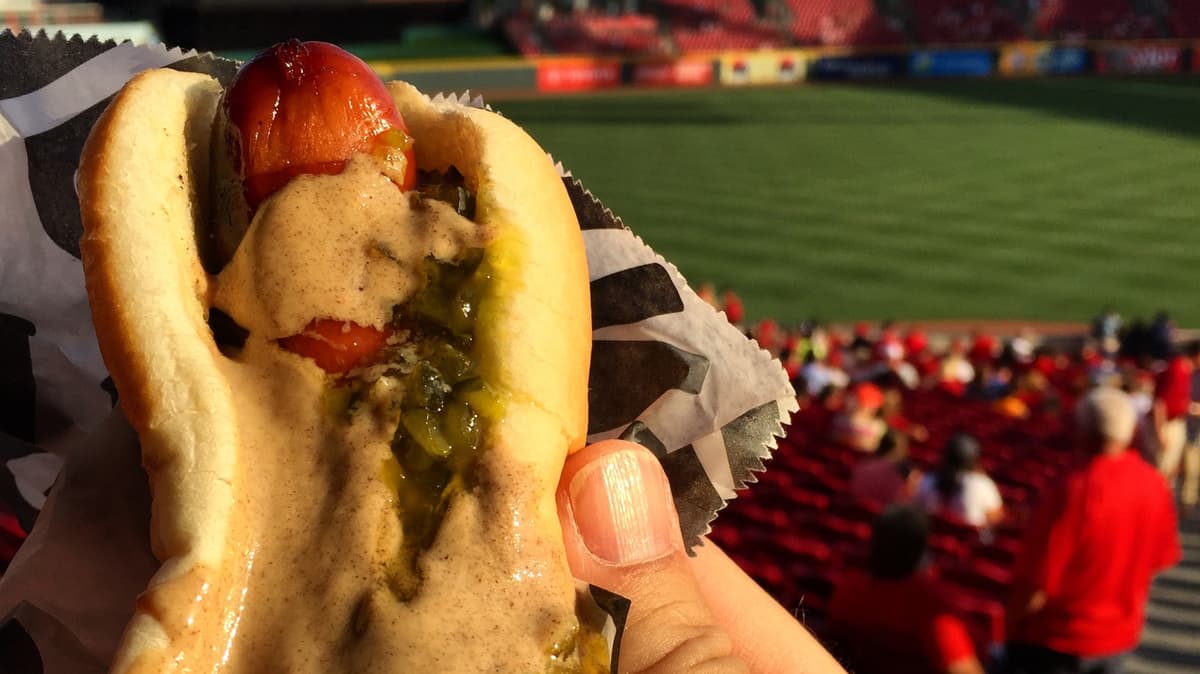
This Famous Spicy Mustard Has Been A Staple At Cleveland Ballparks For Over 75 Years
Why It Matters
The mustard rivalry illustrates how regional food brands can become entrenched cultural symbols and generate lucrative, exclusive stadium contracts. It also highlights growth opportunities for niche condiments as they expand into broader culinary applications.
Key Takeaways
- •Stadium Mustard originated in 1920s Cleveland ballparks.
- •David Dwoskin created “Authentic Stadium Mustard” in 1970.
- •Bertman Foods still sells Original Ball Park Mustard.
- •Guardians use Bertman; Browns serve Stadium Mustard.
- •Cleveland chefs incorporate mustard into BBQ, sandwiches.
Pulse Analysis
The story of Cleveland’s spicy brown mustard underscores the power of place‑based branding in America’s sports venues. Originating in the 1920s, the mustard became synonymous with the city’s baseball experience, turning a simple condiment into a nostalgic touchpoint for fans. Such regional specialties often thrive on authenticity, leveraging local history to differentiate themselves in a crowded snack market. By anchoring the product to iconic teams and historic stadiums, the brand has cultivated a loyal consumer base that values tradition as much as taste.
The rivalry between Stadium Mustard and Bertman Original Ball Park Mustard demonstrates how product disputes can evolve into mutually beneficial market segmentation. After a split in the 1970s, each brand secured exclusive rights with a different professional franchise—Stadium Mustard with the Cleveland Browns and Bertman with the Guardians. This arrangement not only guarantees steady high‑volume sales on game days but also creates distinct brand identities tied to football and baseball fans respectively. For distributors, the split offers a clear pathway to negotiate stadium contracts, while for consumers it reinforces a sense of local allegiance, driving repeat purchases beyond the stadium.
Beyond the stands, the mustard’s versatility has sparked culinary innovation across Cleveland. Chef Michael Symon’s use of Bertman mustard as a barbecue base illustrates how regional condiments can be repurposed for upscale dining, expanding their market reach. As consumers increasingly seek authentic, locally sourced flavors, brands like Stadium and Bertman are well positioned to launch new product lines—such as dipping sauces, marinades, and ready‑to‑eat meals—leveraging their storied heritage. This trend reflects a broader shift toward hyper‑local food branding, where heritage and flavor converge to create profitable growth avenues for niche manufacturers.
This Famous Spicy Mustard Has Been A Staple At Cleveland Ballparks For Over 75 Years
Comments
Want to join the conversation?
Loading comments...