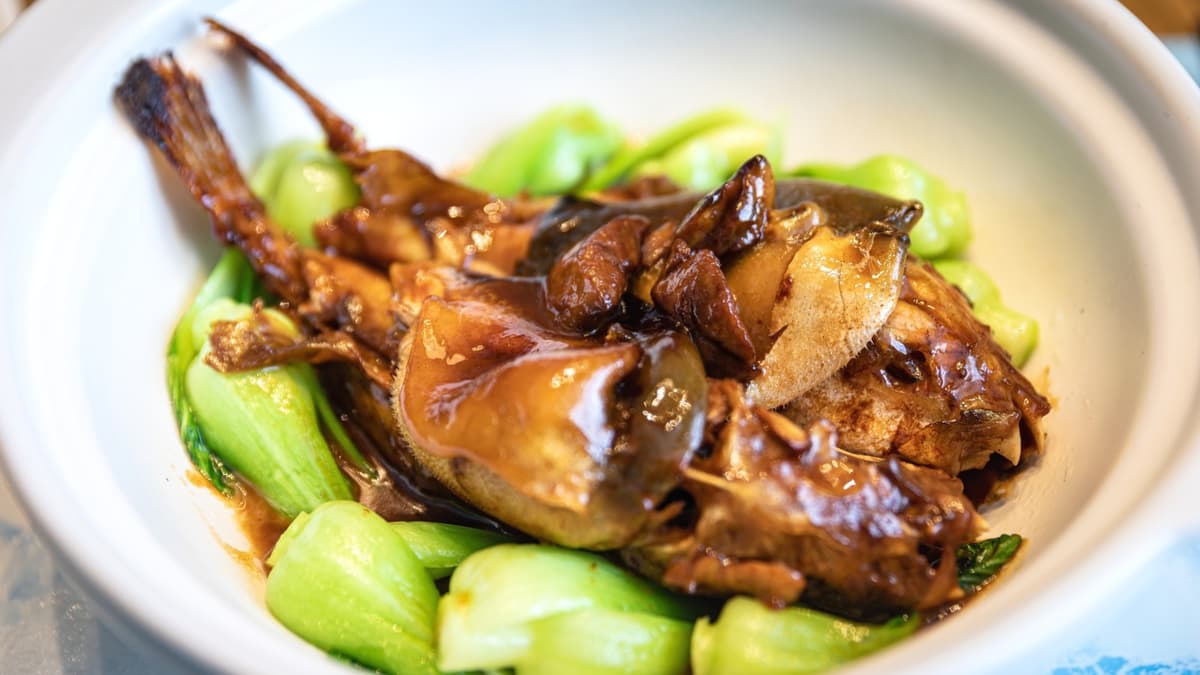
This Japanese Fish Is So Deadly That It's (Mostly) Banned In The United States
•March 8, 2026
0
Why It Matters
The restriction protects American consumers from potentially fatal neurotoxin exposure, reinforcing food safety standards. It also highlights the regulatory challenges of importing high‑risk delicacies, influencing niche market dynamics.
Key Takeaways
- •U.S. bans most puffer fish imports due to tetrodotoxin risk.
- •Japanese chefs undergo years of training to safely prepare fugu.
- •Import requires joint approval from U.S. and Japanese authorities.
- •Fugu remains available in select U.S. restaurants at premium prices.
- •Tetrodotoxin affects nervous system, causing paralysis and death.
Pulse Analysis
Fugu, the Japanese term for puffer fish, has long been celebrated for its delicate flavor and theatrical presentation in high‑end sushi bars. The fish’s allure, however, is shadowed by tetrodotoxin, one of the most potent natural poisons, concentrated in its liver, ovaries, and skin. A single gram of the toxin can cause respiratory failure within minutes, prompting stringent controls worldwide. In Japan, a centuries‑old licensing system ensures only master chefs, who have completed rigorous apprenticeships, handle the fish, turning a potentially deadly dish into a culinary art form.
In the United States, the Food and Drug Administration classifies puffer fish as a high‑risk food, mandating that each shipment receive explicit clearance from both U.S. and Japanese authorities. This dual‑approval process, coupled with mandatory testing for toxin levels, dramatically limits the volume of fugu that can legally enter the market. Consequently, the fish commands premium prices and is typically confined to a few upscale establishments in major cities such as New York and Los Angeles. The regulatory framework not only safeguards public health but also creates a barrier to entry that shapes a niche, high‑margin segment of the restaurant industry.
For diners willing to pay the price, the experience remains a testament to meticulous craftsmanship. Chefs undergo years of training, mastering specialized knives and precise anatomical knowledge to excise toxic parts without contaminating the edible flesh. This expertise underpins the rarity and exclusivity of fugu in America, reinforcing its status as a luxury delicacy. As food‑safety scrutiny intensifies globally, the fugu model illustrates how rigorous standards can coexist with cultural culinary traditions, offering a blueprint for managing other high‑risk foods in international markets.
This Japanese Fish Is So Deadly That It's (Mostly) Banned In The United States
0
Comments
Want to join the conversation?
Loading comments...