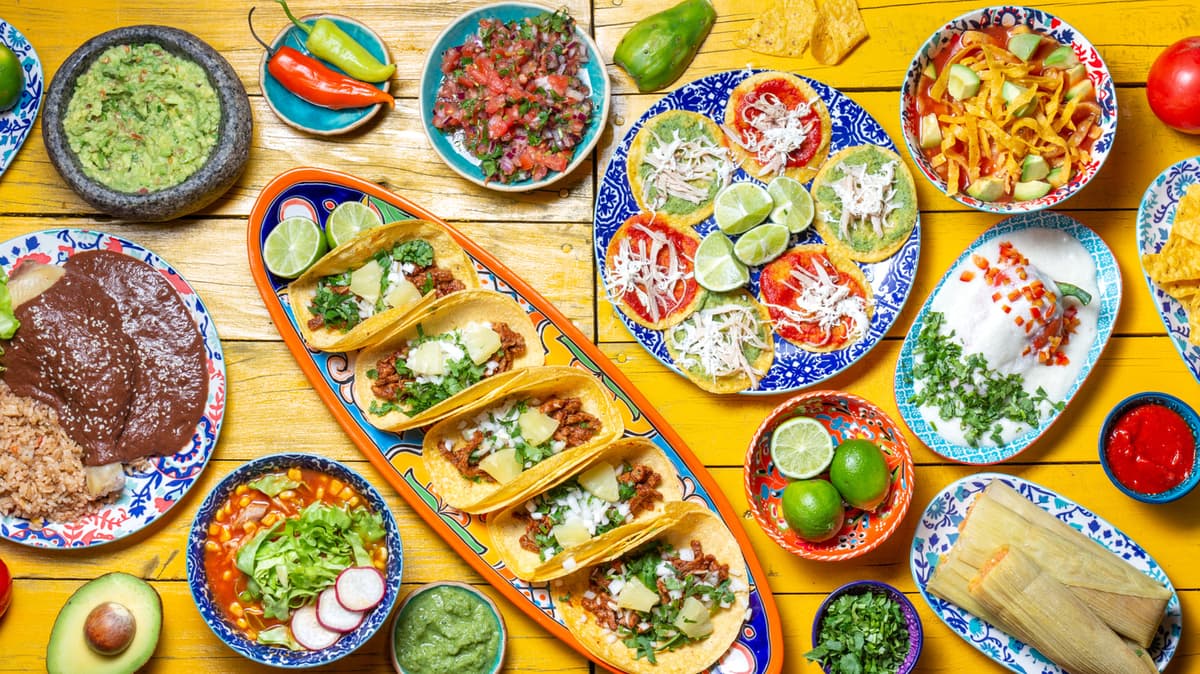
This Mexican Staple Gets Its Flavor From A Confit-Style Technique
•March 9, 2026
0
Why It Matters
Authentic confit‑style carnitas showcase the fusion of French technique with Mexican heritage, driving demand for genuine flavors in both home kitchens and upscale eateries.
Key Takeaways
- •Carnitas originated in Michoacán, Mexico.
- •Traditional method uses pork simmered in lard.
- •Confit technique yields crisp exterior, tender interior.
- •Pork shoulder is optimal cut for home cooks.
- •Adding milk caramelizes sugars for richer crust.
Pulse Analysis
The confit method, historically French, has found a natural home in Mexican cuisine through carnitas, a dish that traces its roots to the town of Quiroga in Michoacán. By submerging seasoned pork chunks in copious lard, cooks achieve a preservation‑friendly, melt‑in‑the‑mouth texture that mirrors duck confit’s buttery richness. This cross‑cultural technique underscores how culinary traditions evolve, borrowing methods that enhance flavor while honoring regional identity.
For modern chefs and home enthusiasts, the key to authentic carnitas lies in ingredient selection and temperature control. Pork shoulder provides the ideal balance of marbling and size, allowing the meat to render its own fat while absorbing aromatics like garlic, bay leaves, and citrus peel. An unconventional yet effective twist—adding condensed or evaporated milk—creates a caramelized crust as sugars bind to the protein. The result is a dual‑textured bite: a crunchy, caramel‑kissed exterior surrounding succulent, juicy meat.
The rising popularity of authentic Mexican street food has turned carnitas into a culinary commodity, prompting restaurants to highlight the confit process as a differentiator. Simultaneously, food retailers are introducing pre‑rendered lard and ready‑to‑cook kits, catering to consumers eager for restaurant‑grade results at home. This trend reflects a broader consumer shift toward heritage‑driven, technique‑focused cooking, offering opportunities for brands that can package tradition with convenience while preserving the dish’s cultural integrity.
This Mexican Staple Gets Its Flavor From A Confit-Style Technique
0
Comments
Want to join the conversation?
Loading comments...