Why It Matters
The success of Akaki demonstrates that culinary quality can outweigh location stigma, reshaping consumer expectations for casual dining. It signals opportunities for low‑cost venues to host high‑end concepts, expanding market dynamics in the foodservice industry.
Key Takeaways
- •Sushi served inside a BP gas station convenience store.
- •Chef-owner brings 20 years of sushi expertise to Apex.
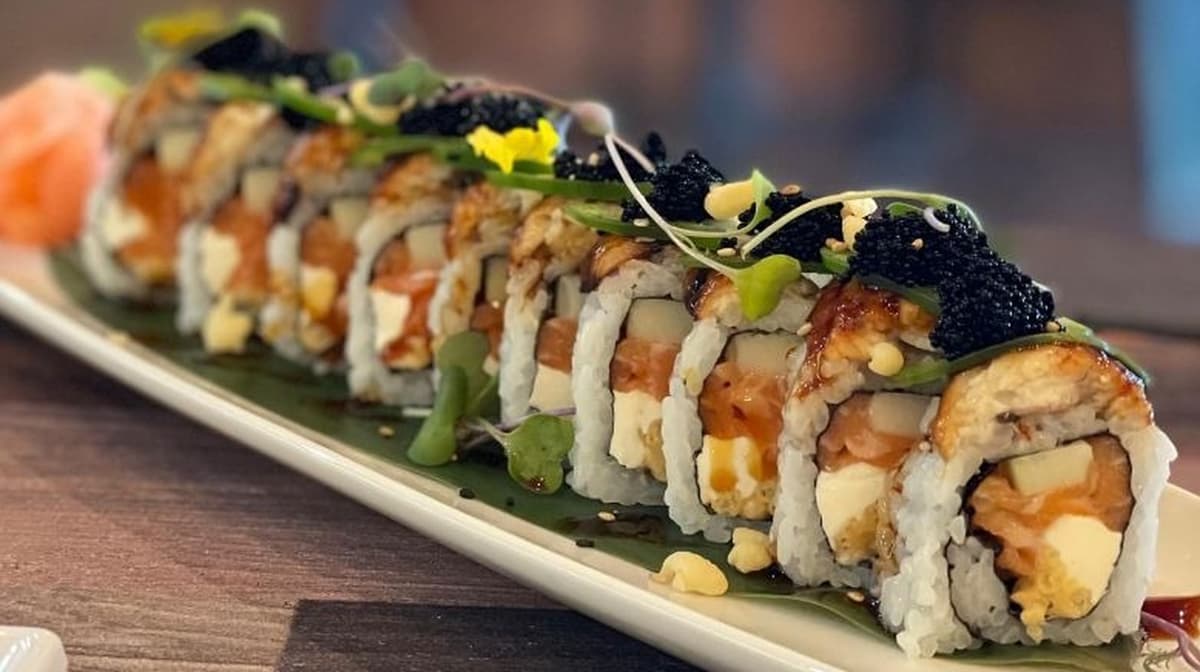
- •Signature rolls blend luxury ingredients with casual setting.
- •High Yelp rating proves quality outweighs unconventional location.
- •Events like tuna break-down attract food‑enthusiast community.
Pulse Analysis
Unconventional dining spaces are gaining traction as consumers prioritize food quality over ambience. Akami Sushi Bar exemplifies this shift, turning a gas‑station convenience store into a culinary destination. By leveraging the high foot traffic of a BP station while offering a menu that rivals upscale sushi houses, the concept taps into a niche market of diners willing to travel for exceptional sushi, challenging traditional notions of where premium cuisine belongs.
Chef‑owner Wanchalerm Owattragool’s two‑decade sushi pedigree fuels Akami’s menu innovation. Signature rolls combine luxury ingredients—Maine lobster, Wagyu beef, caviar—with inventive presentations, while omakase nights showcase seasonal cuts and skillful fish preparation. These offerings create a perception of exclusivity within a casual setting, fostering a loyal customer base that values both the chef’s expertise and the novelty of the venue. Community‑focused events, such as live tuna break‑downs, further cement the restaurant’s reputation as a culinary hub.
From a business perspective, Akami’s strong Yelp rating and word‑of‑mouth buzz illustrate the power of online reviews in legitimizing atypical concepts. The model demonstrates that low‑rent locations can sustain high‑margin menus when paired with strong branding and consistent quality. As more entrepreneurs observe this success, we may see a rise in hybrid venues—gas stations, laundromats, and other non‑traditional spaces—hosting gourmet experiences, reshaping the competitive landscape of the restaurant industry.
This North Carolina Gas Station Is Known For Its Sushi
0
Comments
Want to join the conversation?
Loading comments...