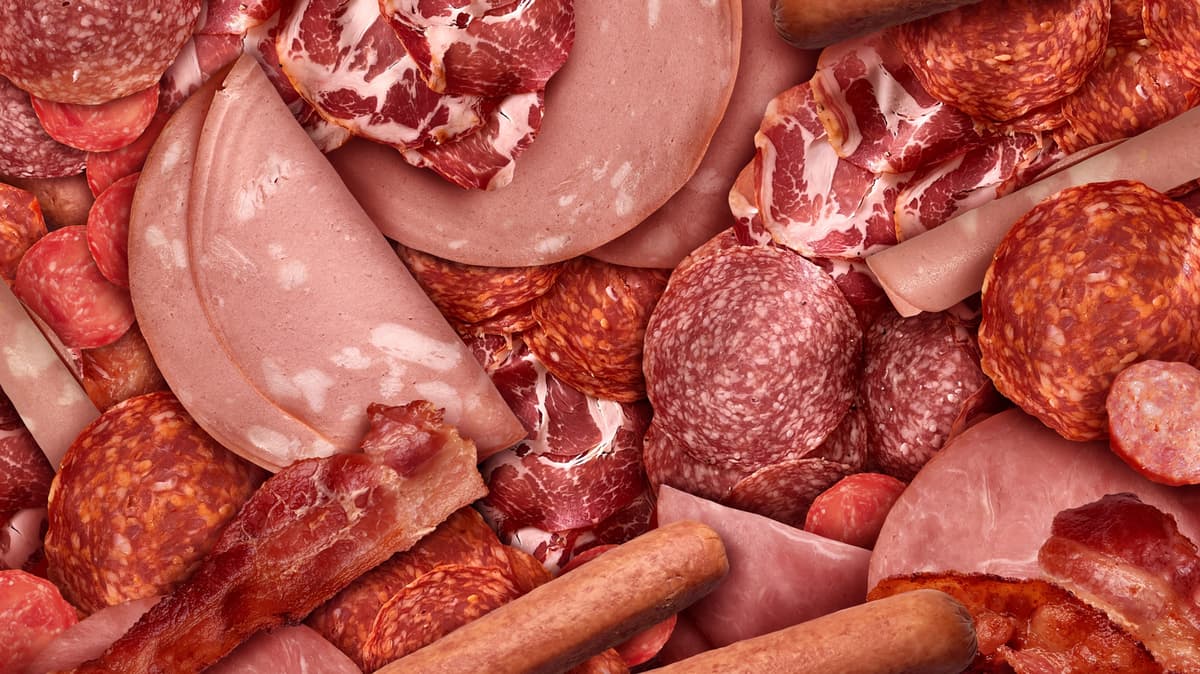
This Old-School 'Luxury' Deli Meat Was The Star Of 1970s Lunches
•March 8, 2026
0
Why It Matters
The rise and fall of the luxury loaf illustrates how health trends can reshape consumer demand for processed meats, impacting legacy brands and prompting reinvention in specialty markets.
Key Takeaways
- •Oscar Mayer's luxury loaf was 1970s lunchbox staple
- •Product discontinued amid 1980s anti‑fat movement
- •Modern niche brands still sell similar Bavarian loaf
- •Deli meat perception shifted due to health concerns
- •Korea and Hawaii keep deli meat popular locally
Pulse Analysis
The Oscar Mayer luxury loaf epitomized the convenience‑driven lunchboxes of the 1960s and 1970s. Marketed alongside catchy jingles such as “My Bologna Has A First Name,” the sliced pork loaf was positioned as a ‘luxury’ offering, even though the name was more promotional than descriptive. Its fine‑ground texture and mild seasoning made it a reliable sandwich filler for schoolchildren and busy families alike. At its peak, the product line spanned several varieties, reinforcing Oscar Mayer’s dominance in the American cold‑cut aisle and cementing the luxury loaf as a cultural touchstone of the era.
The product’s disappearance in the early 1980s mirrors a broader dietary shift known as the “War on Fat.” Public health campaigns vilified high‑fat, high‑sodium foods, and deli meats—perceived as processed and calorie‑dense—fell out of favor. Regulatory scrutiny over additives and rising consumer awareness of ultra‑processed ingredients accelerated the decline. As supermarkets replaced bulk loaves with pre‑packaged, low‑fat alternatives, the luxury loaf became a nostalgic footnote rather than a pantry staple, illustrating how quickly food trends can be reshaped by health narratives.
Today, a modest revival is underway. Specialty grocers such as Schaller & Weber offer a Bavarian‑style Leberkäse luxury loaf that mirrors the original’s texture while emphasizing artisanal sourcing. International markets where American troops introduced deli meat—Korea’s street‑food stalls and Hawaii’s Spam culture—continue to celebrate similar products, suggesting regional resilience. The resurgence aligns with a consumer appetite for heritage foods presented with transparent ingredient lists. While the luxury loaf is unlikely to reclaim its former nationwide dominance, its niche comeback underscores the cyclical nature of food nostalgia and the potential for legacy brands to reinvent themselves for health‑conscious shoppers.
This Old-School 'Luxury' Deli Meat Was The Star Of 1970s Lunches
0
Comments
Want to join the conversation?
Loading comments...