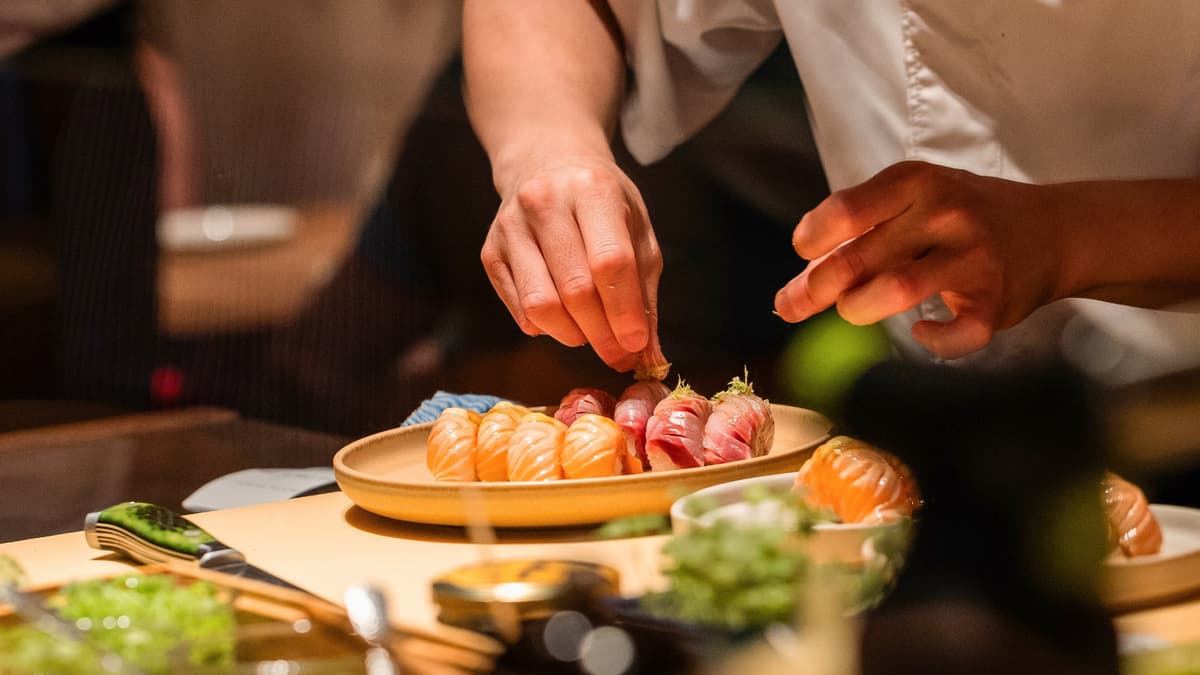
This Type Of Fish At A Sushi Restaurant Signals A Bright Red Flag
Why It Matters
Transparent fish labeling protects consumer health and preserves trust in sushi establishments, while highlighting gaps in industry self‑regulation and food‑safety oversight.
Key Takeaways
- •Menu listing 'white fish' often hides escolar, a risky substitute.
- •Escolar contains indigestible wax esters causing severe digestive distress.
- •Japan banned escolar in 1977; U.S. restaurants still serve it.
- •Look for specific species names like grouper, snapper, or yellowfin tuna.
- •Avoid rolls without individual fish names to ensure transparency.
Pulse Analysis
Vague menu descriptors have become a subtle marketing tactic in upscale sushi venues, allowing chefs to substitute high‑margin, low‑cost fish for premium varieties without alerting diners. When a menu lists only “white fish,” the lack of specificity can mask escolar, a species harvested as by‑catch from tuna and swordfish operations. This practice exploits the average consumer’s limited knowledge of marine taxonomy, turning a simple ordering decision into a gamble on safety and quality. By spotlighting the issue, industry insiders are urging a shift toward full species disclosure.
The health implications of consuming raw escolar are rooted in its biochemistry. The fish’s flesh is saturated with waxy esters known as gempylotoxins, which the human digestive system cannot break down. When eaten raw, these compounds can cause sudden, urgent bowel movements—a reaction that has earned the fish the moniker “Ex‑Lax fish.” Japan’s 1977 ban reflects longstanding concerns, yet the United States lacks a federal prohibition, leaving regulation to state health departments and individual restaurants. Documented cases of food‑borne illness linked to escolar have prompted lawsuits and heightened media scrutiny, reinforcing the need for clearer labeling.
Restaurants that prioritize transparency are adopting best practices such as listing the exact species for each sashimi offering and providing ingredient breakdowns for rolls. Some chains have introduced QR codes linking to sourcing information, aligning with broader consumer demand for traceability in seafood. For diners, the practical rule of thumb is to avoid generic terms and request confirmation of the fish’s identity, especially when ordering rolls described only as “assorted fish.” As awareness grows, industry standards may evolve, potentially prompting regulatory bodies to codify species‑specific labeling requirements, thereby safeguarding both palate and health.
This Type Of Fish At A Sushi Restaurant Signals A Bright Red Flag
Comments
Want to join the conversation?
Loading comments...